In the globalized landscape of industrial automation and electrical engineering, the precise classification of components for customs clearance is paramount. Among these critical components, proximity sensors hold a significant place. For engineers, procurement specialists, and logistics managers navigating international shipments, a clear understanding of the correct Harmonized System (HS) Code for proximity sensors is essential to ensure smooth customs procedures, accurate duty assessment, and compliance with trade regulations.
The Harmonized System is an internationally standardized nomenclature for classifying traded products, maintained by the World Customs Organization (WCO). An HS Code is typically a 6-digit number, though countries may add additional digits for further granularity. The classification of proximity sensors hinges on their fundamental operating principle and application, rather than just the generic term "sensor."
Proximity sensors are non-contact devices that detect the presence or absence of an object within a specific range. They are widely categorized based on their detection technology: inductive (for metallic objects), capacitive (for both metallic and non-metallic objects), ultrasonic, and photoelectric. This technological distinction is crucial for accurate HS Code assignment.
The most probable heading for the majority of proximity sensors, particularly inductive and capacitive types used in industrial automation, falls under Chapter 85: Electrical machinery and equipment and parts thereof; sound recorders and reproducers, television image and sound recorders and reproducers, and parts and accessories of such articles.
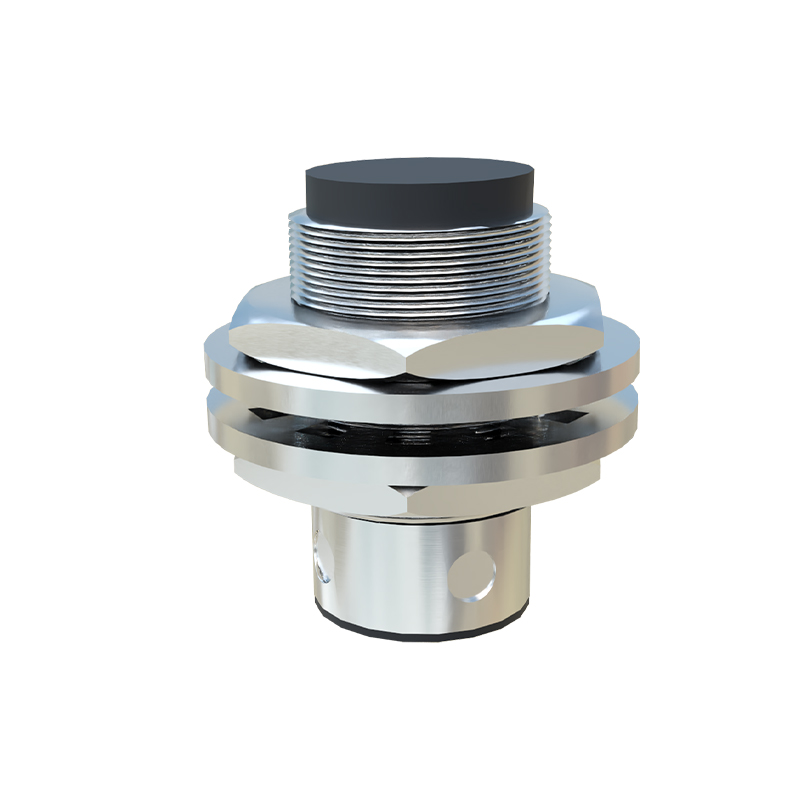
More specifically, they are often classified under:
Heading 8536: Electrical apparatus for switching or protecting electrical circuits, or for making connections to or in electrical circuits. This includes relays, switches, and connectors. Many proximity sensors, functioning as non-contact switches to control circuits, are classified here.
A common sub-heading is 8536.50: Other switches. Proximity sensors acting as electronic switches can fall under this code.
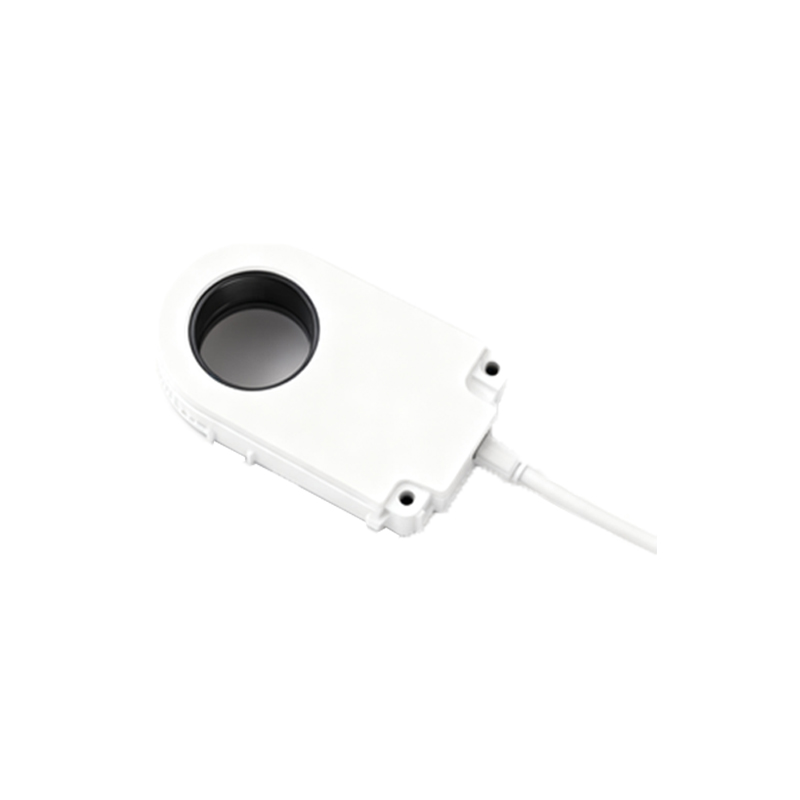
Heading 8543: Electrical machines and apparatus, having individual functions, not specified or included elsewhere in this Chapter. This is a broad category for electrical devices with specific functions not covered more precisely elsewhere. Certain sophisticated proximity sensors with advanced processing or specialized outputs might be classified here.
A relevant sub-heading is 8543.70: Other machines and apparatus.
It is critical to note that the final 8-digit or 10-digit code can vary by importing country. For instance, the United States uses the Harmonized Tariff Schedule (HTS), while the European Union uses the Combined Nomenclature (CN). The description must be precise. A customs declaration stating "inductive proximity sensor, used for non-contact detection of metallic objects in machinery, functioning as an electronic switch" is far more effective than simply "sensor."
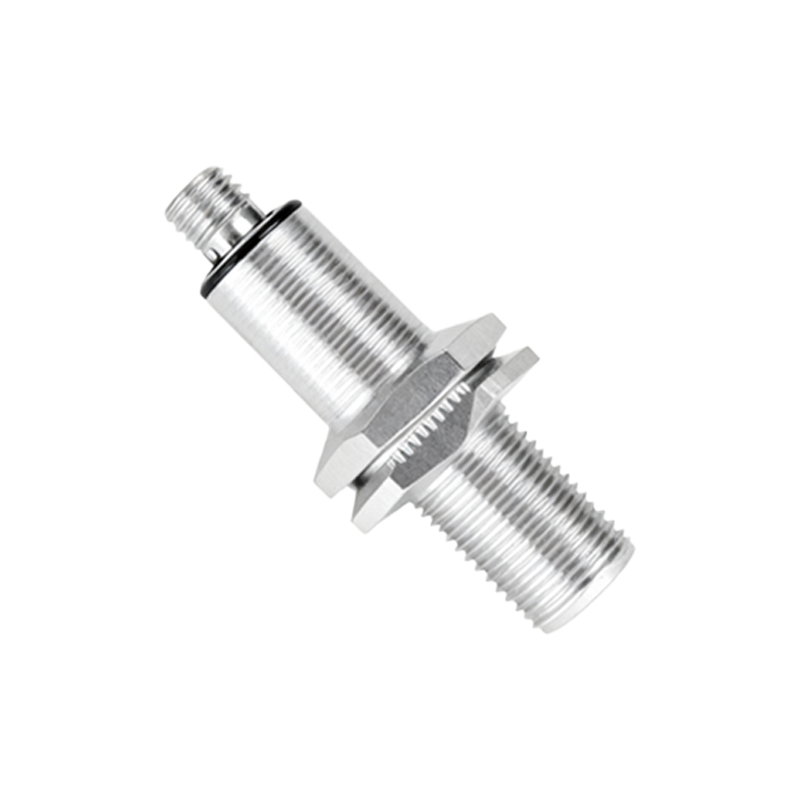
Misclassification carries substantial risks. It can lead to customs delays, seizure of goods, incorrect duty payments (either overpayment or underpayment leading to penalties), and audits. Underpayment of duties can result in hefty fines and back-payments with interest.
To ensure correct classification, follow these best practices:
1. Analyze the Product's Primary Function: Determine if the sensor's chief role is as a switch (8536) or a more complex measuring/detection apparatus (potentially 8543 or even 9031 for some high-precision types).
2. Review Technical Specifications: The operating principle (inductive, capacitive, etc.), output type (PNP/NPN, analog, IO-Link), and housing material are relevant.
3. Consult Official Resources: Refer to the WCO's Explanatory Notes or the specific tariff database of the destination country.
4. Seek Expert Advice: When in doubt, consult with a licensed customs broker or a trade compliance specialist who understands the technical nuances of electrical components.
5. Use Precise Language in Documentation: The commercial invoice and packing list should mirror the detailed description used for the HS Code determination.
In conclusion, correctly identifying the HS Code for proximity sensors is not a mere administrative task but a critical component of international supply chain management for electrical and automation projects. By investing time in accurate classification based on the sensor's technology and function, engineering and logistics teams can avoid costly disruptions, maintain compliance, and facilitate the efficient movement of these essential industrial components across borders. Always verify the code with the latest regulations of the specific importing nation prior to shipment.