As an experienced electrical engineer specializing in industrial automation, I often receive inquiries regarding the cost of local proximity sensors. These critical components are indispensable in modern manufacturing, robotics, and safety systems, yet their pricing can vary significantly based on a multitude of factors. Understanding these variables is essential for accurate budgeting and procurement.
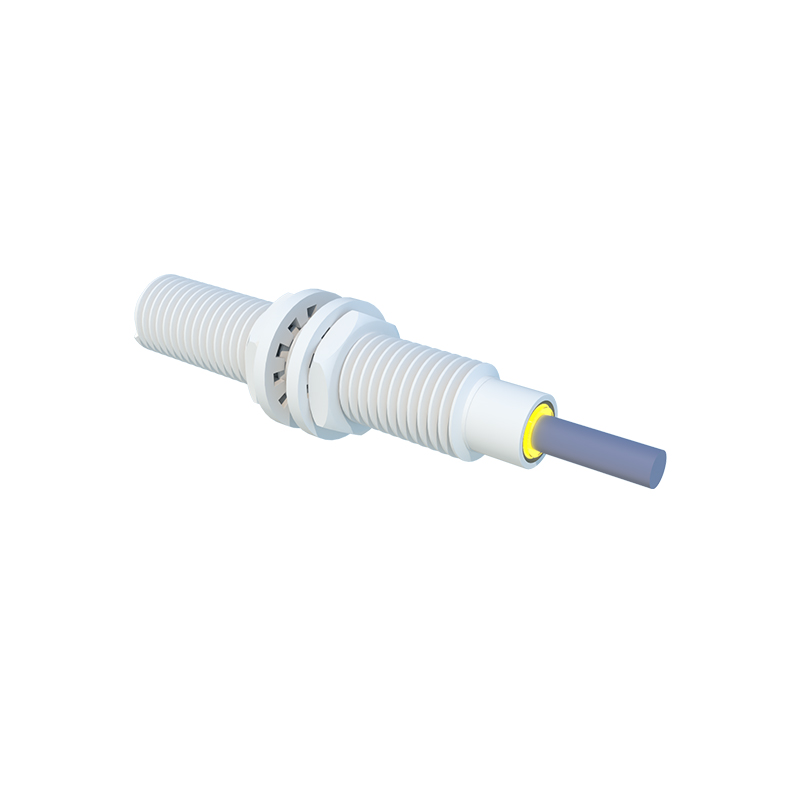
Proximity sensors, which detect the presence or absence of objects without physical contact, come in various technologies: inductive, capacitive, ultrasonic, and photoelectric. Each type serves distinct applications and carries a different price point. Inductive sensors, for instance, are typically used for metal detection and are generally more affordable for standard ranges. Capacitive sensors, capable of detecting non-metallic materials, might command a higher price due to their specialized functionality. The technology choice directly influences the initial investment.
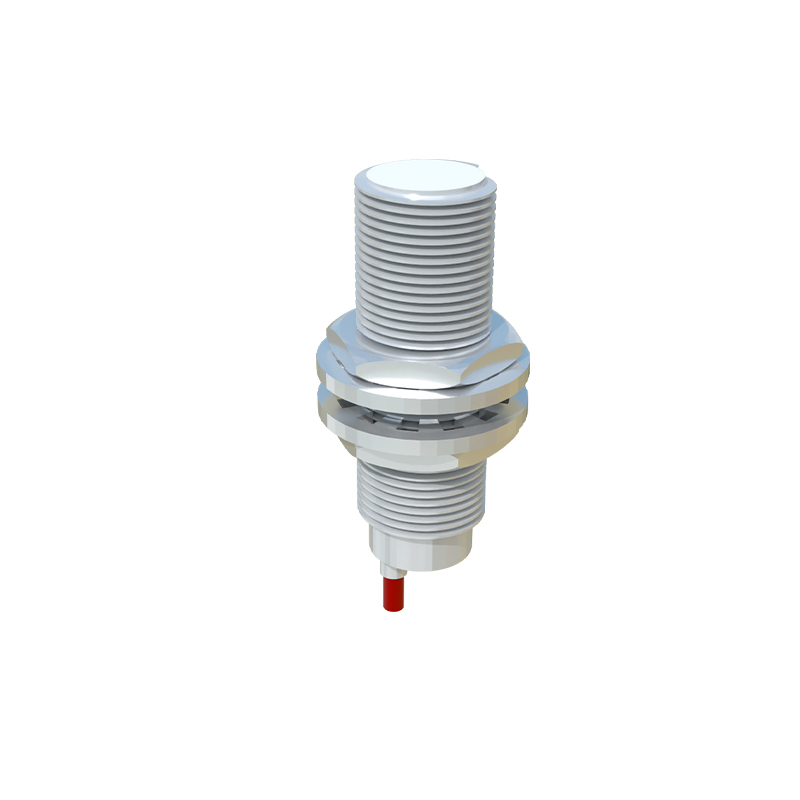
Key determinants of price include sensing range, output type (e.g., NPN, PNP, analog, IO-Link), housing material (such as stainless steel for harsh environments), and protection ratings like IP67 or IP69K. A standard cylindrical inductive sensor with a 5mm range and PNP output may be economically priced, while a long-range ultrasonic sensor with analog output and high ingress protection can be considerably more expensive. Brand reputation and certification (e.g., ATEX for explosive atmospheres) also add to the cost. Manufacturers like Siemens, Omron, Pepperl+Fuchs, and Balluff offer diverse portfolios at competitive but varying price tiers.
When consulting on prices, it's crucial to consider total cost of ownership beyond the unit price. This includes installation expenses, compatibility with existing systems, maintenance needs, and lifespan. Cheaper sensors might save upfront costs but lead to higher downtime or replacement frequency. Request detailed quotations from multiple suppliers, specifying technical requirements precisely. Many distributors provide volume discounts, so projected annual usage should be communicated.
Currently, market trends show moderate price stability for standard models, but advanced smart sensors with networking capabilities are at a premium. Lead times can affect effective pricing, especially for customized solutions. I recommend engaging with technical sales representatives who can tailor options to your operational needs, ensuring optimal performance per dollar spent. Always validate sensor specifications against application demands to avoid overspending or underperformance.
In summary, a thorough consultation on local proximity sensor prices involves a balanced assessment of technical parameters, application context, and long-term value. Investing time in precise requirement analysis and supplier negotiation will yield the most cost-effective and reliable solution for your industrial setup.