In the high-stakes world of industrial laser cutting, where micron-level precision meets relentless production demands, every component in the system chain is critical. While lasers, optics, and motion control often command the spotlight, the unsung heroes ensuring seamless operation are the sensor cables. These specialized conduits are far more than simple wires; they are the vital nervous system, transmitting the essential data and power that allow sensors to guide, protect, and optimize the entire cutting process. Their performance directly dictates system uptime, cut quality, and operational safety.
The operational environment of a laser cutting machine is exceptionally hostile. Sensor cables are subjected to a relentless barrage of challenges: intense heat radiation from the cutting head, omnipresent electromagnetic interference (EMI) from high-power lasers and drivers, constant flexing and torsion from high-speed multi-axis movement, and contamination from metal dust, oils, and coolants. A standard industrial cable would rapidly fail under these conditions, leading to signal degradation, erroneous sensor readings, or complete communication loss. The consequences are severe: scrapped parts, damaged materials, costly unscheduled downtime, and potential safety hazards.
Therefore, sensor cables for laser cutting are engineered with specific, robust characteristics. Shielding is paramount. High-quality cables employ multiple layers of shielding—often a combination of braided copper and aluminum foil—to create a Faraday cage against EMI. This ensures the integrity of low-voltage analog signals from capacitive height sensors or digital signals from optical encoders, preventing noise from corrupting critical data on nozzle-to-workpiece distance or axis position. The cable core itself utilizes finely stranded, high-purity copper conductors to ensure optimal signal transmission with minimal attenuation over the cable's length.
The mechanical construction is equally specialized. Continuous flexing demands a design that prevents conductor breakage and insulation fatigue. This is achieved through specialized stranding techniques, often with a central tension member to absorb mechanical stress, and the use of high-flex materials like thermoplastic elastomers (TPE) or polyurethane (PUR) for the outer jacket. These materials offer superior resistance to abrasion from cable carriers (e.g., drag chains) and common coolants. For applications involving extreme heat near the cutting head, cables with silicone jackets or integrated reflective sleeves are employed to withstand sustained high temperatures without cracking or melting.
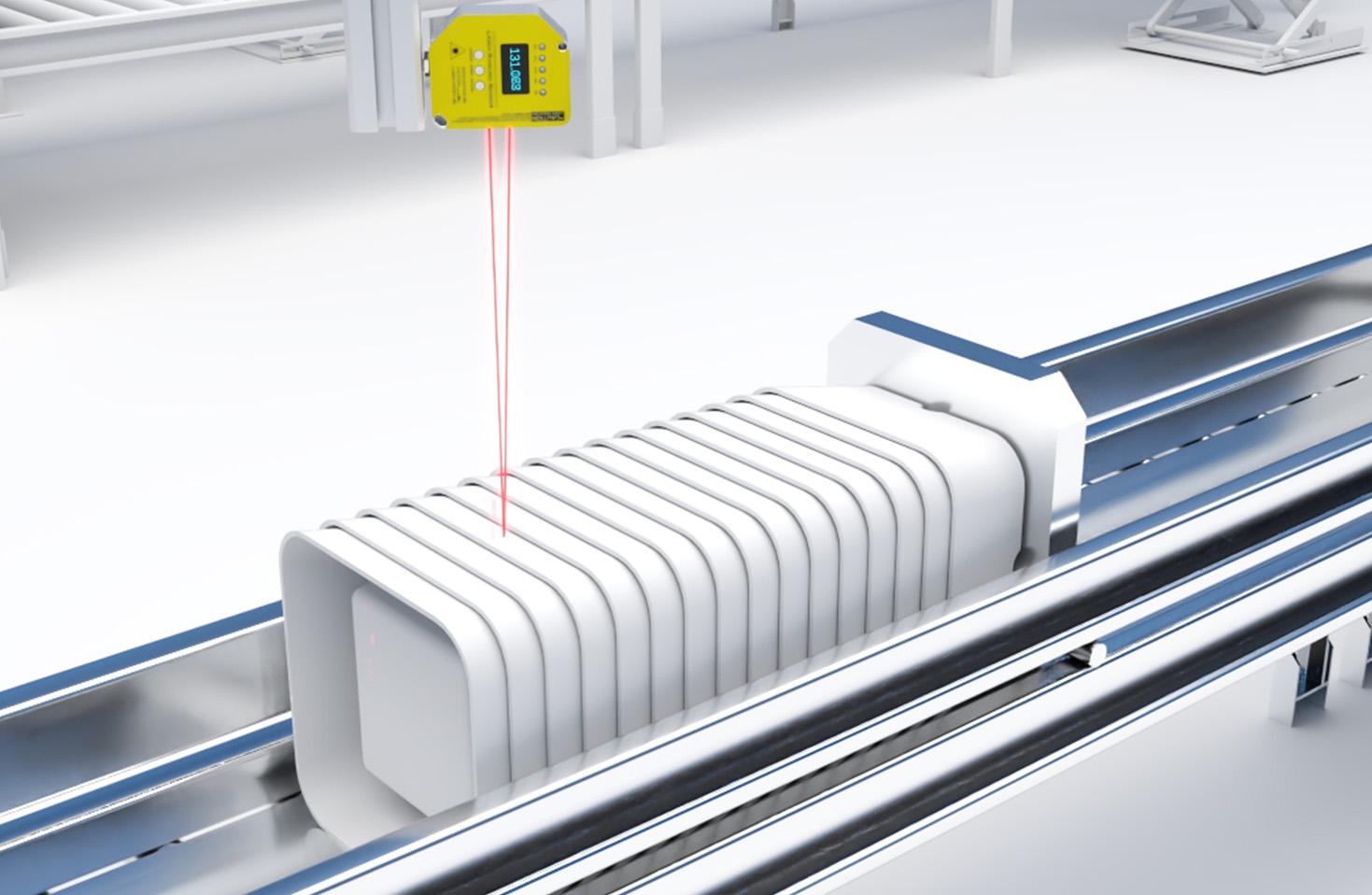
Connectors are the critical interface, and their selection is non-negotiable. They must provide a secure, gas-tight connection that resists vibration loosening. Industry-standard, high-density circular connectors (e.g., variants based on M8, M12, or M23 standards) with gold-plated contacts are typical. Proper strain relief at both the connector and cable entry points is essential to prevent pull-out forces from damaging terminations. Ingress Protection (IP) ratings, such as IP67 or IP68, are mandatory to keep out dust and fluids, ensuring reliability in dirty workshop environments.
From a system integration perspective, different sensors rely on specific cable types. The capacitive height sensor, which maintains the crucial standoff distance between the nozzle and the sheet metal, requires a cable with excellent analog signal shielding. Fiber optic cables for laser transmission monitoring must have pristine internal fibers protected from macro-bending. Cables for temperature sensors near the cutting zone need high-temperature insulation. Using a generic cable for all these applications is a recipe for performance issues. Proper routing and installation within cable management systems are also crucial; cables must be laid without sharp bends, exceeding minimum bend radii, or being pinched, as this can instantly compromise their internal structure and shielding effectiveness.

In summary, specifying the correct sensor cable is not a minor procurement detail but a fundamental engineering decision for laser cutting system reliability and performance. It requires a clear understanding of the electrical requirements (signal type, voltage, bandwidth), the mechanical demands (flex cycle rating, bend radius, torsion), and the environmental exposures (temperature range, chemical resistance, EMI levels). Investing in high-quality, application-matched sensor cables from reputable manufacturers minimizes electrical noise, reduces maintenance interventions, prevents catastrophic process failures, and extends the service life of both the cables and the expensive sensors they serve. In the pursuit of perfect cuts and maximum productivity, the integrity of the data flowing through these cables is the foundation upon which precision is built. Never underestimate the critical link that is the sensor cable.