In industrial automation and control systems, proximity sensors and switches play a critical role in detecting the presence or absence of objects without physical contact. Their reliability directly impacts operational efficiency, safety, and maintenance costs. As an experienced electrical engineer, I will outline key methods to assess the quality of these devices, covering performance indicators, testing procedures, and common failure modes.
First, understanding the working principle is essential. Inductive proximity sensors detect metallic objects using electromagnetic fields, while capacitive types sense both metallic and non-metallic materials by measuring changes in capacitance. Photoelectric sensors rely on light beams, and ultrasonic sensors use sound waves. Each type has specific applications and quality benchmarks.
To evaluate a proximity sensor's condition, start with visual inspection. Check for physical damage such as cracks, corrosion, or loose connections on the housing and cable. Environmental factors like moisture, dust, or chemical exposure can degrade components over time. Ensure the sensor is properly installed according to manufacturer guidelines, as misalignment can cause false readings.
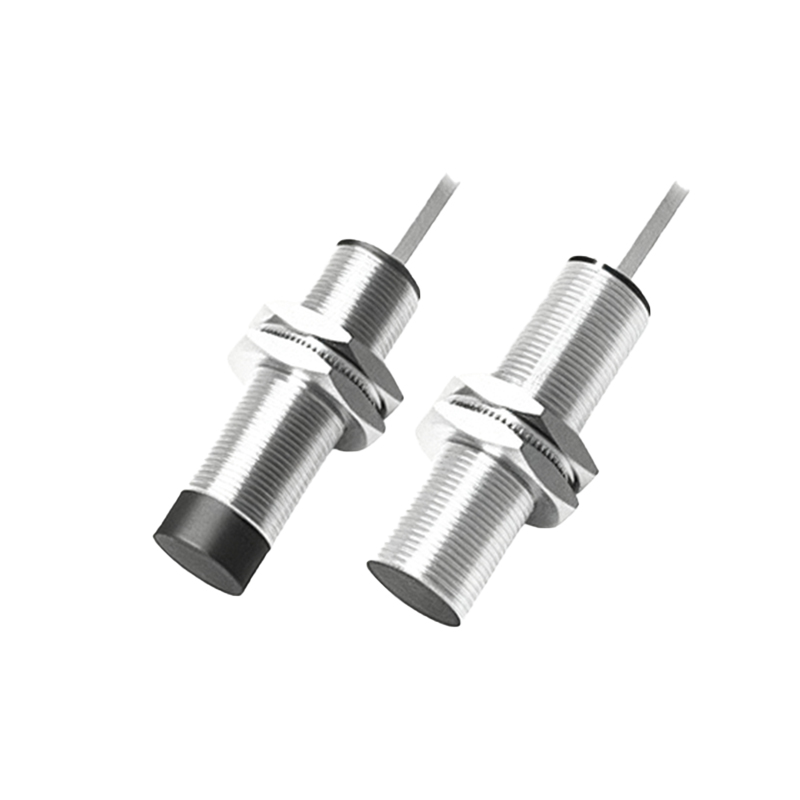
Electrical testing is the next step. Use a multimeter to measure the output signal in both active and inactive states. For a normally open (NO) sensor, the output should switch between high and low voltage levels when an object enters the sensing range. Compare the measured values with the datasheet specifications, including operating voltage, current consumption, and response time. A significant deviation indicates potential issues.
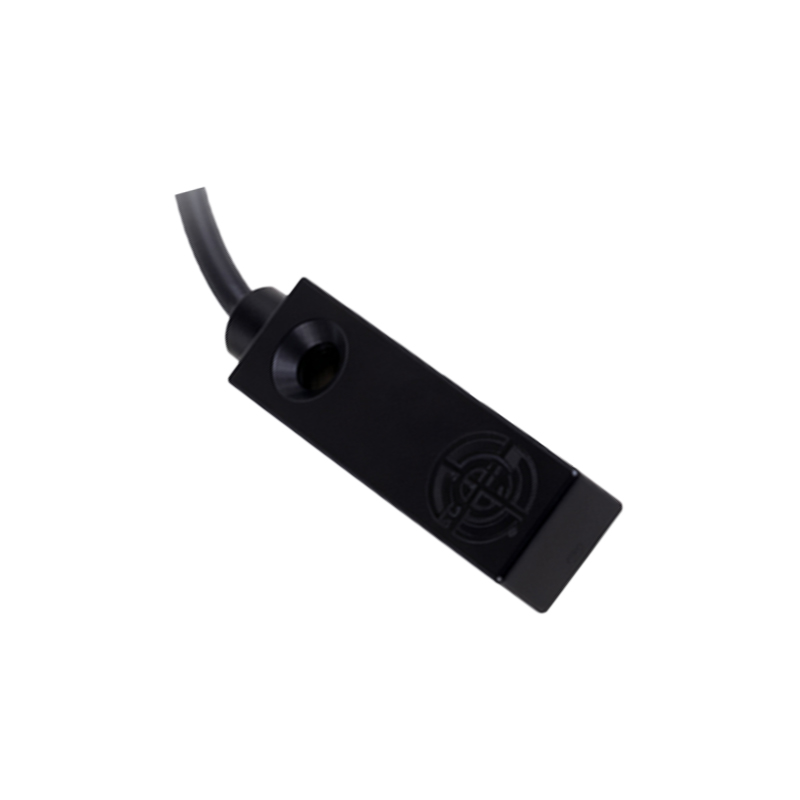
Performance validation involves functional testing. Simulate real-world conditions by moving a target object into the sensing range and observing the sensor's response. Note the sensing distance—it should match the rated value without excessive variation. Repeatability is crucial; consistent detection within a tolerance of ±5% is generally acceptable. For switching applications, monitor the output for chatter or delay, which can signal internal component wear.
Environmental testing assesses durability. Proximity sensors often operate in harsh conditions, so evaluate their resistance to temperature extremes, vibration, and electromagnetic interference (EMI). Use an oscilloscope to check for noise in the output signal, which may indicate shielding problems or internal circuit faults. Additionally, verify the ingress protection (IP) rating if the sensor is used in wet or dusty areas.
Common failure modes include sensor drift, where the sensing distance gradually changes due to aging components or contamination. Output failures, such as stuck-high or stuck-low signals, often result from damaged transistors or wiring issues. False triggering can be caused by external interference or incorrect sensitivity settings. Regular calibration and maintenance help mitigate these problems.
For advanced diagnostics, some modern sensors offer diagnostic features via IO-Link or other communication protocols. These allow real-time monitoring of parameters like temperature, signal strength, and operating hours, enabling predictive maintenance. Always refer to the manufacturer's documentation for specific troubleshooting steps.
In summary, assessing proximity sensor quality requires a combination of visual checks, electrical measurements, and functional tests. Prioritize devices from reputable brands that provide detailed datasheets and comply with industry standards like IEC 60947-5-2. Investing in high-quality sensors reduces downtime and enhances system reliability, ultimately saving costs in the long run.