In the realm of industrial automation, proximity sensors are the silent sentinels, enabling non-contact detection of metallic and non-metallic objects with precision and reliability. Selecting the right brand is not merely a procurement decision; it is a critical engineering choice that impacts machine uptime, system safety, and overall operational efficiency. This technical review analyzes and compares several leading brands in the proximity sensor market, focusing on performance metrics, durability, technological innovation, and application suitability.
First, we examine Sick AG, a German powerhouse renowned for its engineering excellence. Sick's inductive and capacitive proximity sensors are benchmarks for precision. Their proprietary technologies, such as high-noise immunity circuitry and robust housing designs (often rated IP67 and IP69K), make them ideal for harsh environments like automotive assembly lines or food and beverage processing. The consistency in switching frequency and repeat accuracy is exceptional. However, this premium performance comes at a cost, positioning Sick at the higher end of the market. Their extensive portfolio and superior diagnostic capabilities justify the investment for mission-critical applications.
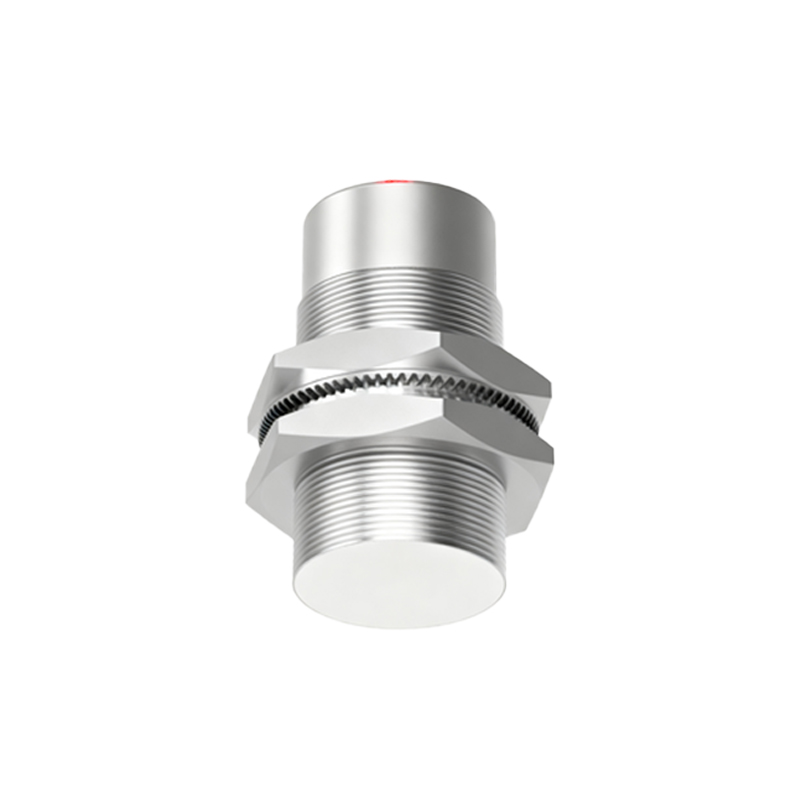
Next, Omron Corporation from Japan offers a compelling blend of reliability, innovation, and value. Omron sensors are ubiquitous in global manufacturing. They excel in miniaturization, producing some of the world's smallest tubular sensors without compromising sensing distance or durability. Their E2E series, for instance, is legendary for longevity. Omron also integrates advanced features like IO-Link connectivity seamlessly across many lines, facilitating Industry 4.0 data acquisition. While perhaps not always the absolute top performer in every extreme condition compared to Sick, Omron provides an outstanding balance that suits a vast majority of general industrial applications.
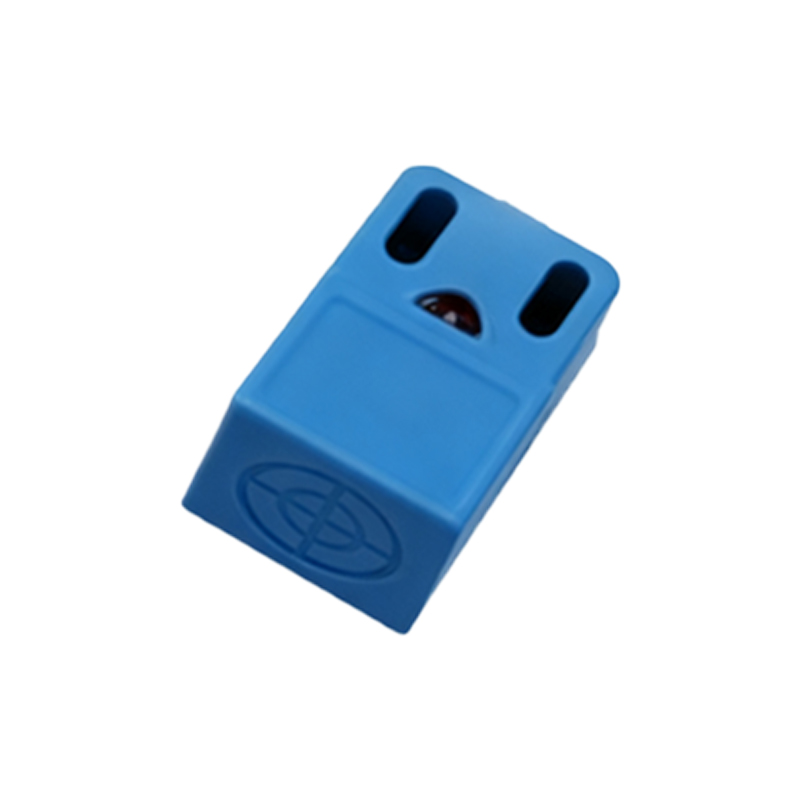
Pepperl+Fuchs, another German specialist, is synonymous with intrinsic safety and explosion-proof solutions for hazardous areas. Their expertise in this niche is unparalleled. Beyond that, their standard inductive and ultrasonic sensors are characterized by exceptional build quality and innovative form factors. The company's focus on connectivity and system integration, through technologies like IO-Link and advanced ASIC designs, is noteworthy. Their sensors often feature enhanced resistance to welding fields and other electromagnetic interference, making them a top choice for challenging applications in welding robotics or heavy machinery.
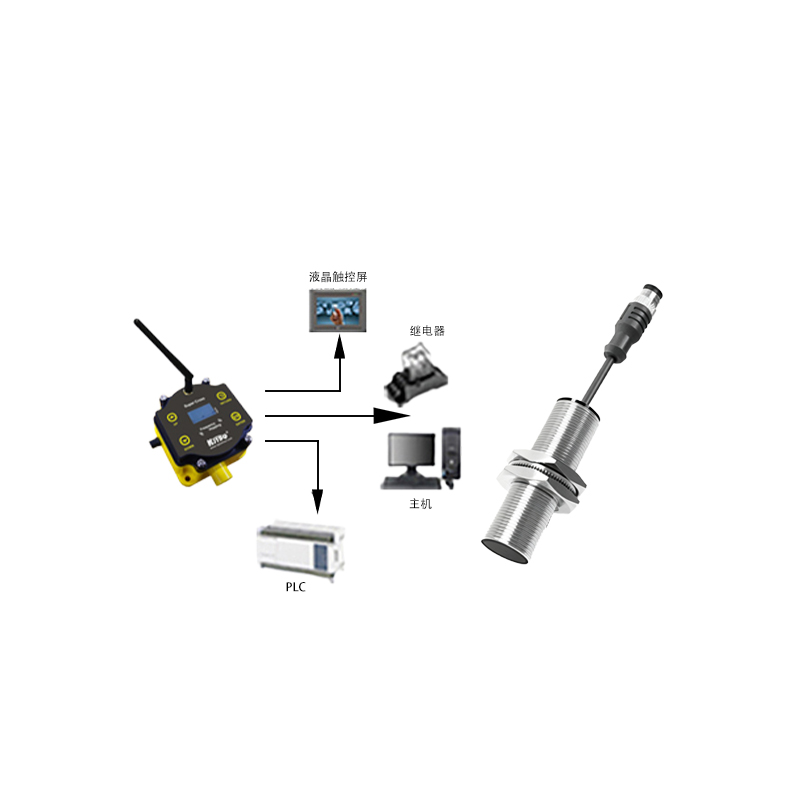
Balluff, a German sensor and automation specialist, is highly regarded for its modularity and system integration prowess. Their BALLUFF BIS line exemplifies this, offering inductive sensors with standardized mechanical and electrical interfaces that simplify mounting and replacement. Balluff emphasizes smart sensor technology, with a strong portfolio of sensors equipped with IO-Link for parameterization and condition monitoring. Their performance is consistently high, and they offer excellent technical support and customization options, catering well to complex automated systems.
Rockwell Automation (Allen-Bradley) and Siemens represent the integrated automation giants. Their proximity sensors are designed to seamlessly work within their broader ecosystem of PLCs, drives, and software. For facilities standardized on Allen-Bradley or Siemens control architecture, using their sensors can simplify procurement, spare parts inventory, and diagnostics through native software tools. The sensors are robust and reliable, though sometimes the focus is on system-wide optimization rather than pushing the absolute limits of standalone sensor performance. They are a strategic choice for plant-wide standardization.
Key Comparison Factors:
Sensing Distance & Precision: Sick and Pepperl+Fuchs often lead in offering extended and stable sensing distances relative to sensor size. Omron excels in miniaturized precision.
Durability & Housing: All top brands offer high IP ratings. Sick and Pepperl+Fuchs frequently set the bar for resistance to physical shock, chemicals, and temperature extremes.
Connectivity & Intelligence: IO-Link is now a near-standard offering. Balluff and Pepperl+Fuchs are particularly aggressive in smart sensor features. Rockwell and Siemens offer deep native network integration.
Cost vs. Value: Omron and Balluff often present the most balanced value proposition. Sick and Pepperl+Fuchs command a premium for specialized performance and safety.
Application Specialty: For extreme environments and precision, choose Sick. For hazardous areas, Pepperl+Fuchs is definitive. For miniaturization and volume reliability, consider Omron. For smart system integration, Balluff is a leader. For ecosystem synergy, Rockwell or Siemens.
In conclusion, there is no single "best" brand. The optimal selection hinges on the specific application's technical demands, environmental conditions, required connectivity, and total cost of ownership. Sick and Pepperl+Fuchs are the go-to for demanding and specialized tasks. Omron remains the versatile, reliable workhorse for global industry. Balluff shines in integrated, smart systems. A thorough evaluation of these brands against your project's specific parameters is the hallmark of sound engineering practice.