Proximity sensors have become an integral component in modern mobile devices, enhancing user experience and enabling advanced functionalities. As an electrical engineer working in the consumer electronics industry, understanding the operational principles, integration methods, and optimization techniques for these sensors is crucial. This guide provides a comprehensive overview of how proximity sensors are utilized in mobile applications, focusing on practical implementation and industry best practices.
Proximity sensors in mobile devices primarily detect the presence of nearby objects without physical contact. The most common type is the infrared (IR) proximity sensor, which consists of an IR LED emitter and a photodiode receiver. When an object, such as a user’s face during a phone call, approaches the sensor, IR light reflects off the object and is captured by the photodiode. The sensor’s controller then processes this signal to determine proximity, triggering predefined actions like turning off the display to prevent accidental touches and save power.
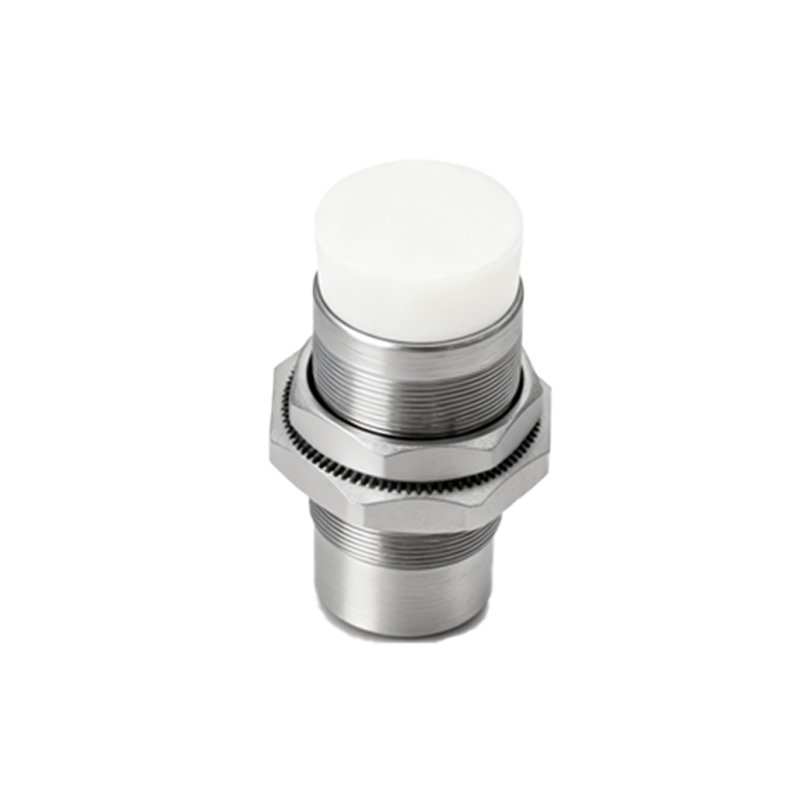
Integration begins with selecting the appropriate sensor based on key parameters: detection range (typically 1–5 cm for mobile use), response time, power consumption, and ambient light immunity. Engineers must consider the sensor’s placement within the device’s layout—usually near the earpiece or front bezel—to ensure accurate detection while minimizing interference from other components. Calibration is essential during manufacturing; this involves setting thresholds for proximity detection under varying environmental conditions, such as different lighting or surface reflectivities.
In software, proximity sensors interface with the device’s operating system through drivers and APIs. For Android and iOS platforms, developers can access sensor data to customize functionalities. Common use cases include automatic screen on/off during calls, gesture recognition (e.g., waving to silence alarms), and adaptive brightness control. To optimize performance, engineers should implement filtering algorithms to reduce false triggers from noise or sudden light changes. Power management is also critical; sensors should operate in low-power modes when idle, waking only when needed to extend battery life.
Testing and validation are vital stages in the deployment process. Engineers conduct tests using standardized targets to simulate real-world scenarios, measuring accuracy, repeatability, and latency. Environmental stress tests, such as exposure to extreme temperatures or humidity, ensure reliability. Additionally, electromagnetic compatibility (EMC) testing prevents interference with wireless communications like Wi-Fi or Bluetooth.
Looking ahead, advancements in sensor technology are expanding their applications. Time-of-flight (ToF) sensors and ultrasonic proximity sensors offer higher precision for features like augmented reality and improved gesture control. As mobile devices evolve, engineers must stay updated on these trends to design more efficient and innovative systems.
In summary, effectively using proximity sensors in mobile devices requires a blend of hardware expertise, software integration, and rigorous testing. By mastering these aspects, engineers can enhance device functionality, improve user interaction, and contribute to the next generation of smart technology.