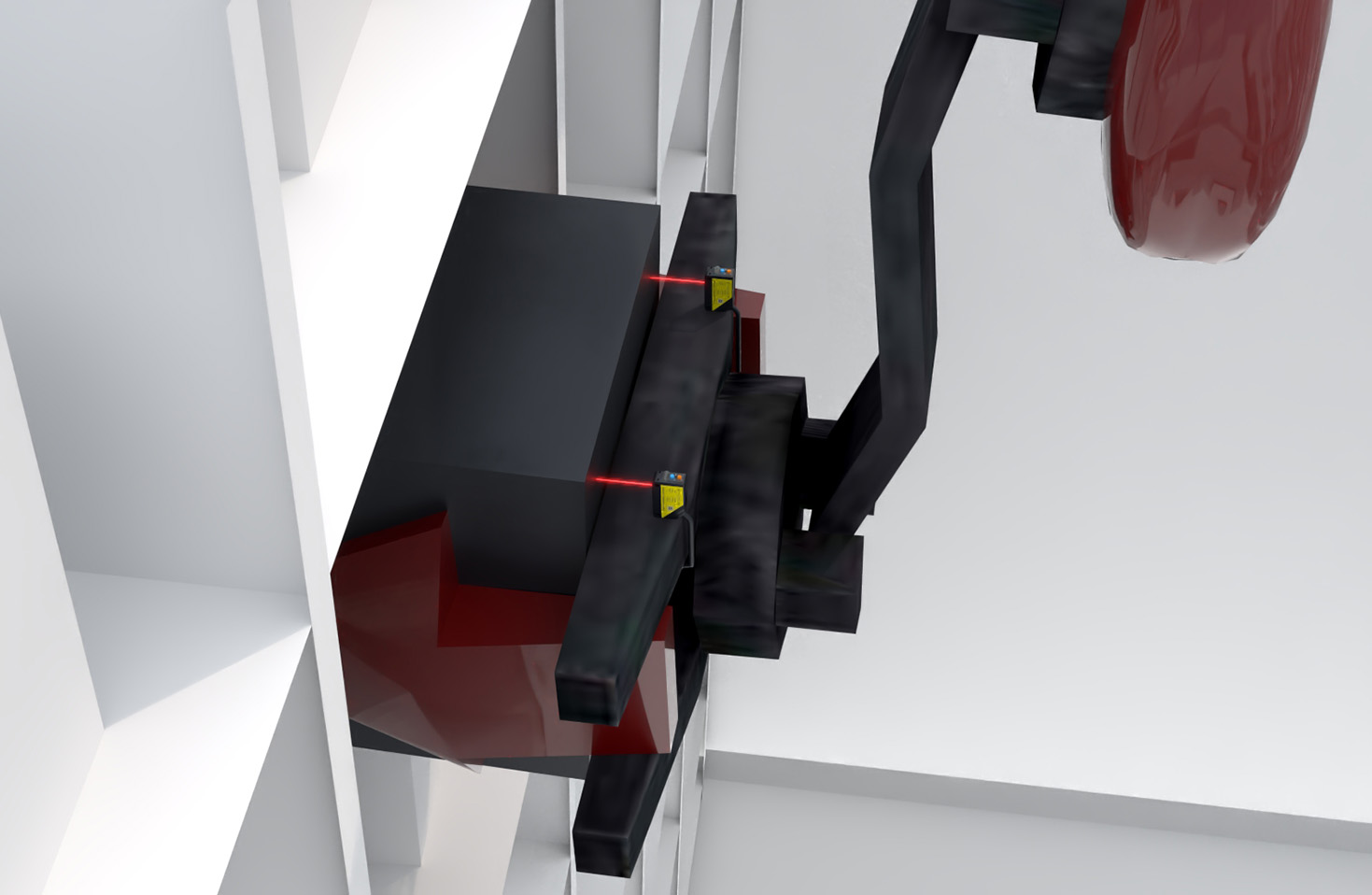
Industrial laser sensors have become indispensable tools across manufacturing, automation, and quality control sectors. Their precision, speed, and non-contact measurement capabilities make them superior to many traditional sensing methods. This guide delves into the key models, technologies, and selection criteria for engineers integrating these systems.
The core technology behind these sensors often involves time-of-flight (ToF), triangulation, or confocal measurement principles. ToF sensors, like the *Keyence IL Series* or *Banner Q4X*, excel in long-range detection and presence sensing, commonly used in logistics and material handling. For high-accuracy displacement and thickness measurement, triangulation-based models such as the *Micro-Epsilon optoNCDT* or *Omron ZX-L* series offer micrometer-level resolution. Confocal chromatic sensors, including the *STIL CHRocodile* line, provide exceptional performance for transparent or multi-layered surface inspection.
Selecting the correct model requires a detailed analysis of application parameters. Key specifications include measuring range, spot size, resolution, repeatability, and response time. Environmental factors are equally critical; robust housings with high IP ratings (e.g., IP67) are mandatory for dusty or washdown environments. Models like the *SICK DT50* or *Pepperl+Fuchs OD5000* are engineered for such harsh conditions. Communication interfaces also vary, with common options being analog outputs (4-20 mA, 0-10 V), IO-Link, Ethernet/IP, or PROFINET, enabling seamless integration into PLC-based control systems.
Recent advancements focus on enhancing functionality and ease of use. Smart sensors now incorporate integrated logic and data logging, reducing controller load. The trend towards miniaturization allows installation in space-constrained locations. Furthermore, the integration of AI-driven software for edge analysis helps in predictive maintenance and complex defect classification, moving beyond simple threshold detection.
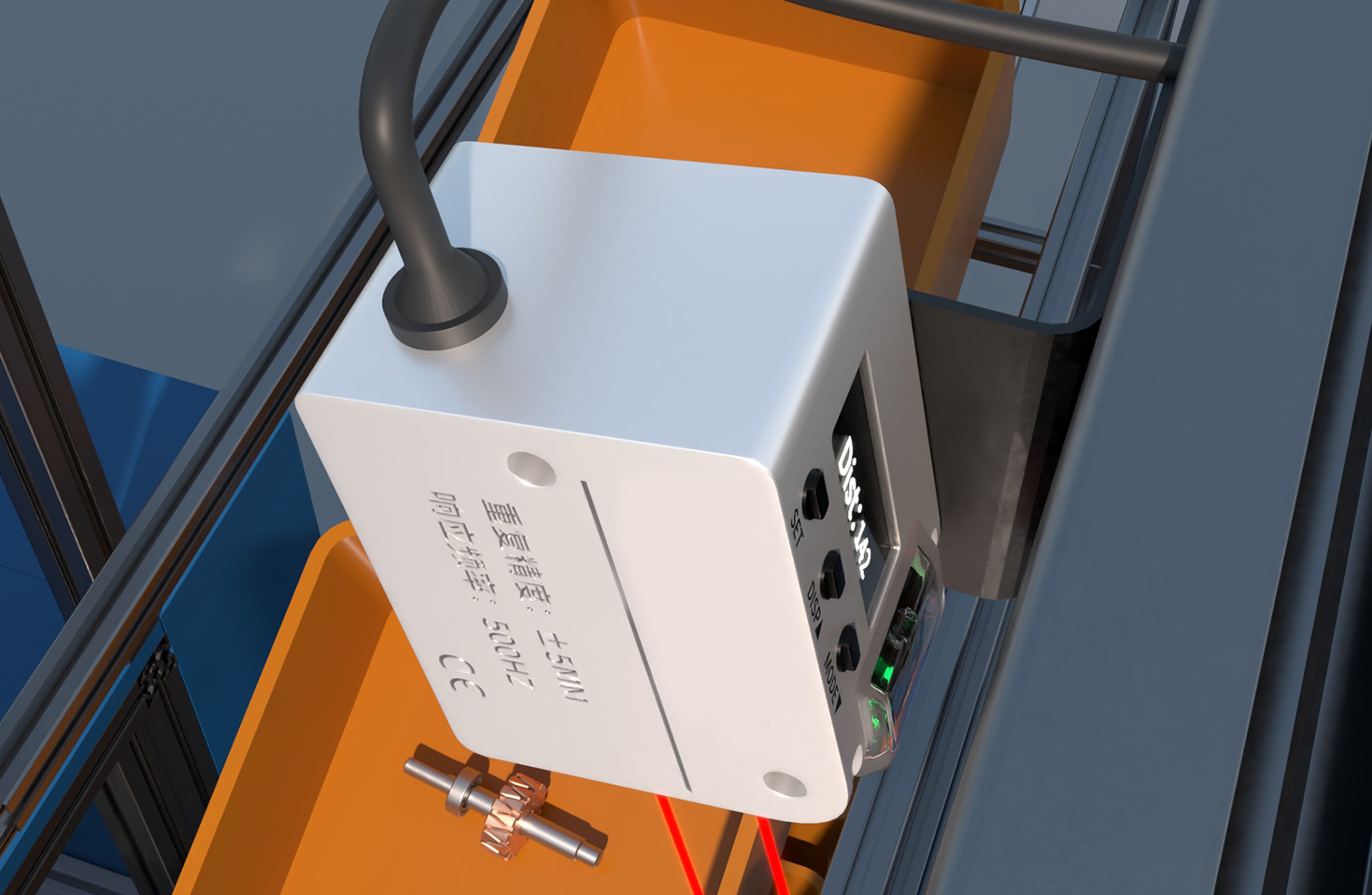
In practice, a successful deployment hinges on precise alignment, stable mounting, and proper calibration against the target material. Engineers must account for surface properties—color, reflectivity, texture—as these significantly affect signal strength. For highly reflective or dark surfaces, specialized models with adjustable laser power or background suppression are available. Regular maintenance, primarily lens cleaning and verification checks, ensures long-term accuracy and reliability.
Ultimately, the landscape of industrial laser sensors is diverse, with continuous innovation addressing more challenging applications. From basic object detection to sophisticated 3D profiling, choosing the right model is a strategic decision that directly impacts system efficiency, product quality, and operational cost. A thorough understanding of both sensor capabilities and specific process requirements is the foundation for optimal implementation.