In industrial automation, pneumatic cylinders are fundamental components for linear motion, and their reliable operation often depends on precise position detection. Proximity switches, particularly electromagnetic sensors, play a critical role in this context. These non-contact sensors detect the presence of a cylinder's piston or actuator without physical interaction, ensuring longevity, high-speed response, and minimal maintenance. This article delves into the working principles, types, selection criteria, and integration of electromagnetic proximity sensors for pneumatic cylinders.
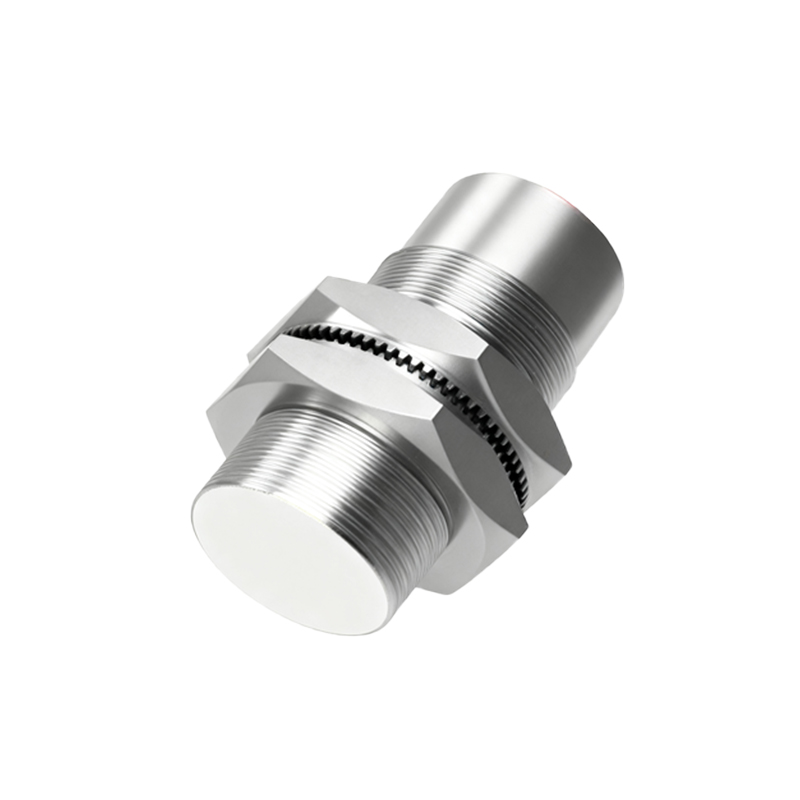
Electromagnetic proximity sensors, commonly inductive sensors, operate on the principle of electromagnetic induction. They generate an oscillating electromagnetic field from a coil. When a metallic target, such as the piston or a dedicated trigger on the cylinder, enters this field, eddy currents are induced in the target. This causes a change in the oscillation amplitude or frequency within the sensor. An internal circuit detects this change and switches the sensor's output state, typically providing a digital signal (e.g., PNP or NPN) to a programmable logic controller (PLC). For pneumatic cylinders, the target is often a permanent magnet integrated into the piston or a metallic piston rod itself, depending on the sensor type.
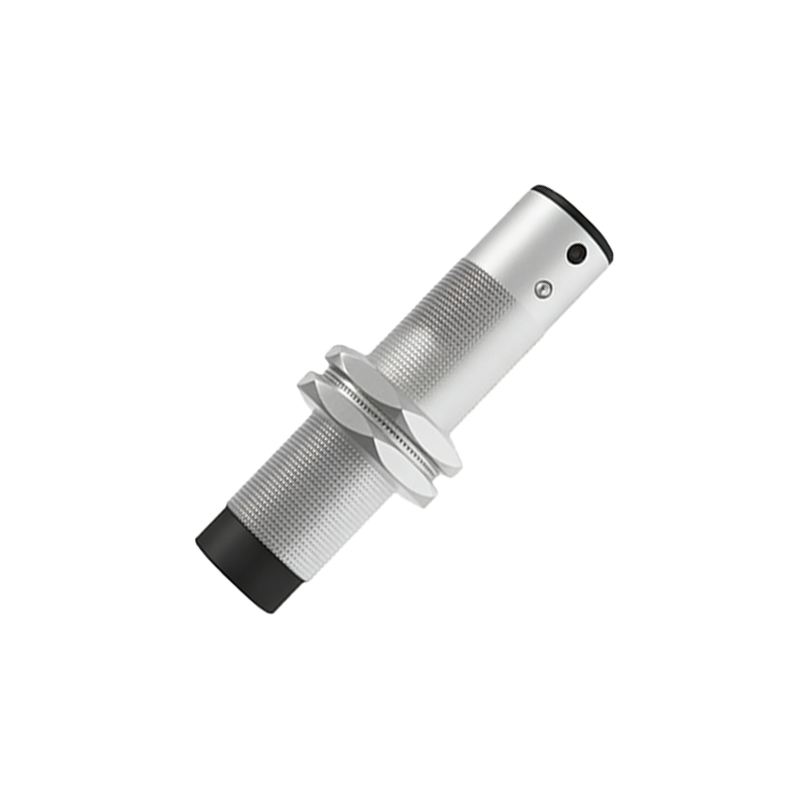
Two primary sensor types are used with pneumatic cylinders: inductive proximity sensors and reed switches (magnetic sensors). Inductive sensors detect any ferrous metal and are ideal for cylinders without built-in magnets. They are robust, resistant to dirt and moisture (often rated IP67 or higher), and offer high switching frequencies. Reed switches, on the other hand, are actuated by a magnetic field. A magnet embedded in the piston triggers the hermetically sealed reed contacts inside the sensor body. These are popular for compact cylinder designs and offer excellent repeatability. A third variant, magnetostrictive sensors, provides continuous position feedback but is less common for simple end-position detection.
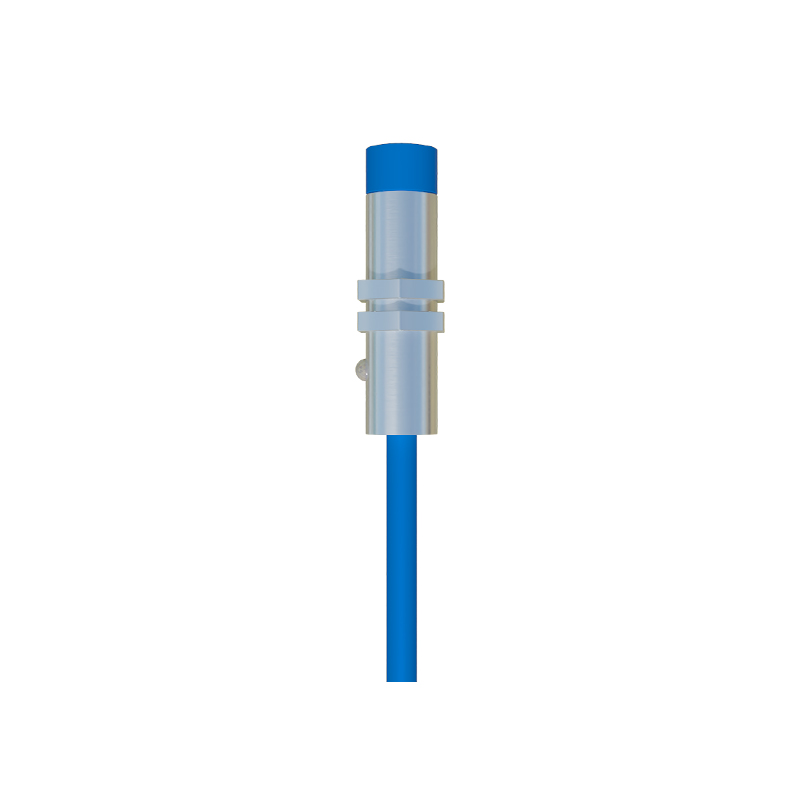
Selecting the appropriate sensor involves several technical considerations. First, the sensing distance (snap distance) must be specified, ensuring reliable detection even with mechanical tolerances and misalignment. Cylinder manufacturers often provide sensors with built-in mounting solutions, such as slot-in designs or adjustable brackets. The sensor's housing material, typically nickel-plated brass or stainless steel, must withstand the industrial environment, including exposure to coolants, oils, and mechanical vibration. Electrical characteristics are equally vital: the operating voltage (commonly 10-30V DC), output type (sourcing PNP or sinking NPN), and connection method (pre-wired cable or quick-disconnect). For safety-critical applications, sensors with diagnostic LEDs and short-circuit protection are preferred.
Integration into control systems is straightforward. The sensor's output wire connects to a digital input module on the PLC. Proper shielding and routing away from high-voltage power lines prevent electromagnetic interference. In high-cycle applications, the sensor's switching frequency must exceed the cylinder's cycle rate to avoid missed signals. For cylinders requiring multiple position points, such as in mid-stroke positions, several sensors can be mounted along the cylinder body or on linear guides.
Maintenance is minimal but essential. Regular checks should verify the sensor's mounting integrity and cleanliness. Accumulated metallic swarf near inductive sensors can cause false triggering. For magnetic sensors, ensuring the magnet's strength has not degraded over time is crucial. Calibration is generally not required, making them highly reliable for long-term use.
Advancements in sensor technology continue to enhance pneumatic system performance. Modern sensors offer improved noise immunity, smaller form factors for space-constrained installations, and analog outputs for proportional control. The integration of IO-Link communication allows for digital parameter setting and advanced diagnostics, enabling predictive maintenance strategies.
In summary, electromagnetic proximity sensors are indispensable for the efficient and reliable operation of pneumatic cylinders in automation. Their non-contact nature, durability, and precision make them a cornerstone of modern industrial motion control. Understanding their operation and selection parameters ensures optimal system design, reducing downtime and improving overall productivity.
SEO Keywords:inductive proximity sensor, pneumatic cylinder sensor, magnetic reed switch, position detection, industrial automation
SEO Description:Explore the function and selection of electromagnetic proximity switches for pneumatic cylinders, covering inductive sensors and magnetic reed switches for reliable non-contact position detection in industrial automation systems.