Proximity sensors, often associated with industrial automation, robotics, and automotive systems, are increasingly finding their way into residential settings. These devices detect the presence or absence of nearby objects without physical contact, using technologies like inductive, capacitive, ultrasonic, or infrared sensing. The question isn't whether they can be used at home—they absolutely can—but rather how they can be effectively and safely integrated to enhance convenience, security, and energy efficiency in everyday life.
In a typical household, proximity sensors serve as silent, intelligent assistants. One of the most common applications is in lighting control. Installing passive infrared (PIR) or ultrasonic sensors in hallways, closets, garages, or bathrooms allows lights to turn on automatically when someone enters the space and off after a period of inactivity. This not only adds hands-free convenience but also reduces electricity waste, as lights aren’t left on accidentally. For instance, a sensor in a pantry or walk-in closet can illuminate shelves as you approach, making items easier to find.
Home security is another area where proximity sensors excel. Unlike traditional contact-based door/window sensors, modern capacitive or microwave-based proximity sensors can detect movement or presence near entry points, windows, or perimeters. They can trigger alarms, send notifications to smartphones, or activate cameras when an intruder approaches, providing an additional layer of protection. Some advanced systems can even distinguish between humans, pets, and moving foliage to minimize false alarms.
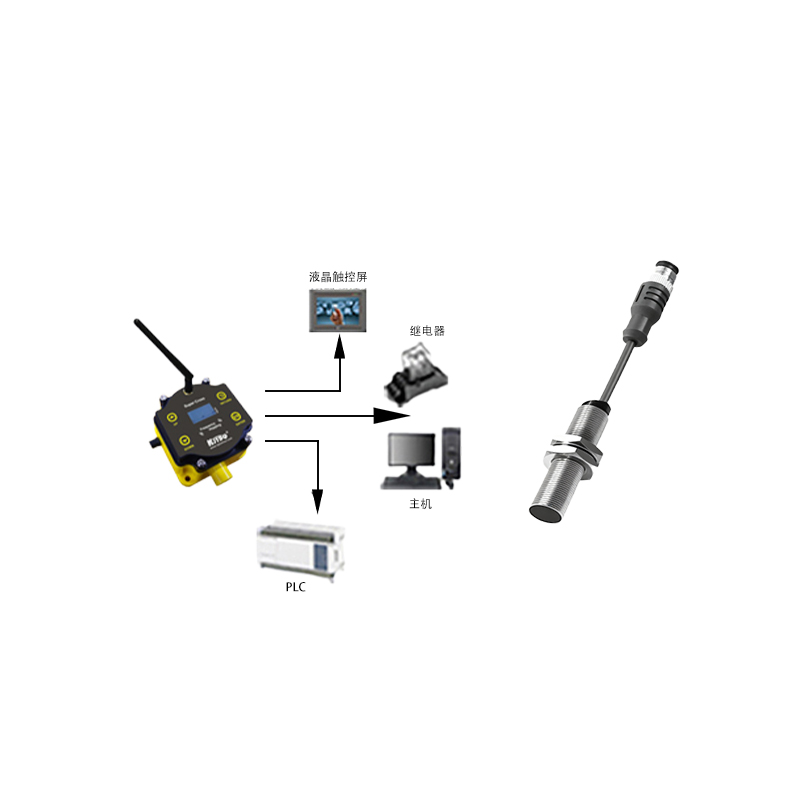
In kitchens and bathrooms, capacitive proximity sensors are ideal for touchless faucets, soap dispensers, or trash can lids. By simply waving a hand near the sensor, users can operate fixtures hygienically, reducing the spread of germs—a feature that gained significant attention during health-conscious periods. Similarly, sensor-activated cabinet doors or drawers (using inductive or ultrasonic sensors) can make spaces more accessible, especially for individuals with mobility challenges.
Energy management extends beyond lighting. Proximity sensors can integrate with HVAC systems to detect room occupancy. If no one is in a room for a set time, the system can adjust the thermostat or switch to energy-saving mode. In home offices, a sensor might put a computer monitor to sleep when the user steps away, cutting standby power consumption.
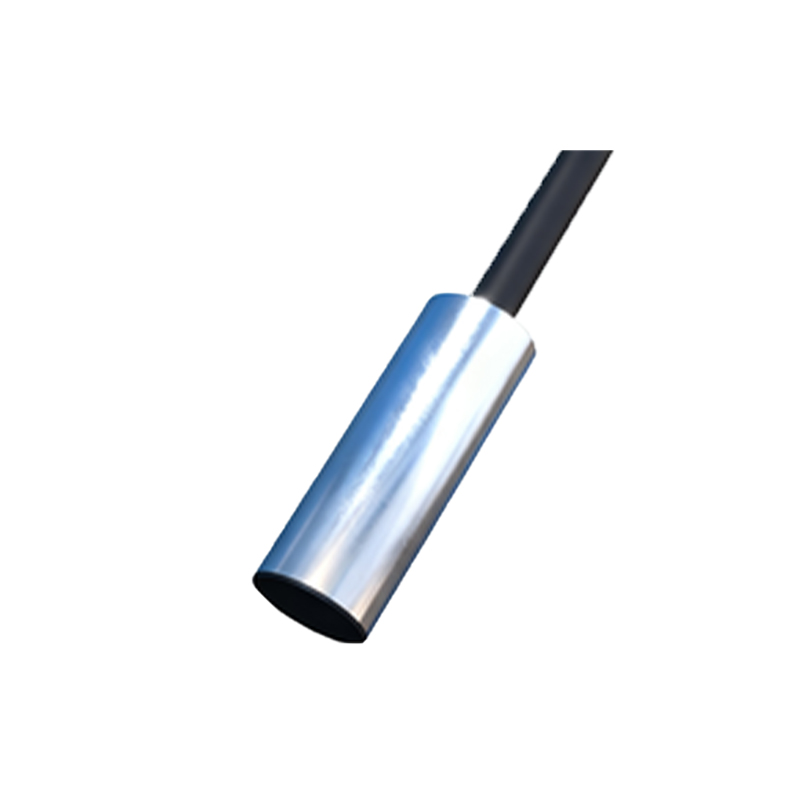
For entertainment and comfort, infrared proximity sensors in smart home setups can personalize environments. As you enter the living room, a sensor could signal the smart hub to adjust blinds, play music, or set the room temperature to your preferred setting. In children’s rooms, ultrasonic sensors can monitor cribs or beds for movement, offering parents peace of mind.
However, implementing proximity sensors at home requires consideration. First, choose the right sensor type. Inductive sensors work only with metals and are better for detecting appliances or metal objects. Capacitive sensors detect both metallic and non-metallic materials (like hands or bodies) and suit touchless controls. Ultrasonic and infrared sensors are ideal for presence detection over larger areas. Second, ensure proper installation—sensors must be positioned correctly to avoid interference from heat sources, reflective surfaces, or moving air (from vents). Power supply is also key; battery-operated sensors offer flexibility but need maintenance, while wired sensors provide reliability but require professional installation.
Cost varies widely, from affordable DIY kits for simple lighting projects to integrated smart home systems costing hundreds of dollars. For most homeowners, starting with a basic PIR motion sensor for lighting or a capacitive sensor for a faucet is a practical entry point. Compatibility with existing smart home platforms (like Amazon Alexa, Google Home, or Apple HomeKit) should be checked for seamless automation.
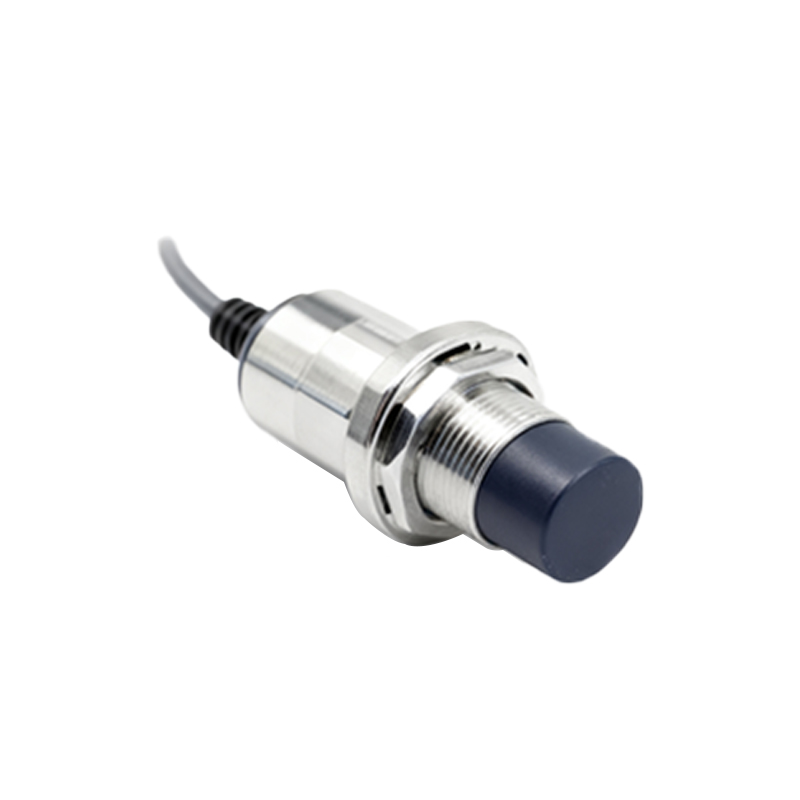
Safety is paramount. Use sensors certified for residential use (e.g., UL listed) and follow manufacturer guidelines. Avoid placing sensors near high-voltage equipment or in extremely humid areas unless rated for such conditions. Regular testing ensures they function as intended.
In summary, proximity sensors are not just for factories—they are versatile tools for modern homes. By automating routine tasks, enhancing security, and promoting efficiency, they bring a touch of innovation to daily living. With careful selection and setup, homeowners can transform their spaces into smarter, more responsive environments. As technology advances, these sensors will likely become even more affordable and integrated, making the smart home dream increasingly accessible to all.