In the realm of industrial automation and control, proximity sensors are indispensable components for non-contact object detection. Among the various types, metallic proximity sensors, specifically inductive proximity sensors, hold a critical position due to their robustness and reliability in detecting metallic objects. This article delves into the operating principles, key characteristics, diverse applications, and essential selection criteria for these vital devices.
The fundamental principle behind a metallic proximity sensor is electromagnetic induction. The core of the sensor contains an oscillator circuit that generates a high-frequency electromagnetic field at its active face. When a metallic object enters this field, eddy currents are induced on the surface of the target. These eddy currents draw energy from the oscillator, causing a change in its amplitude. An evaluation circuit within the sensor monitors this amplitude change. Once the change exceeds a predefined threshold—indicating the object is within the specified sensing distance—the sensor's output state switches, typically from open to closed (or vice-versa for a normally closed configuration), sending a signal to the connected controller like a PLC.
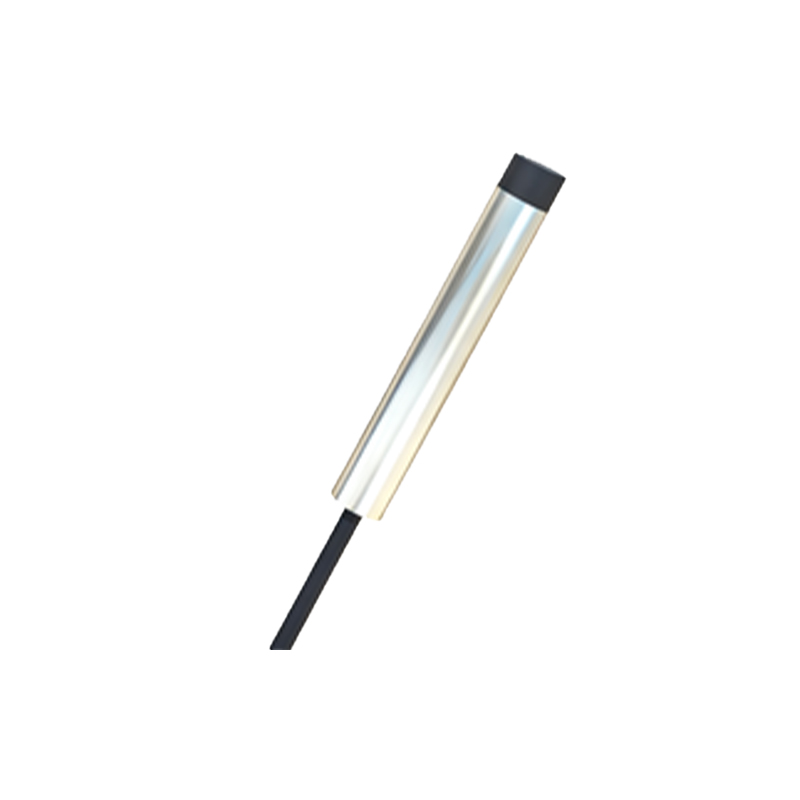
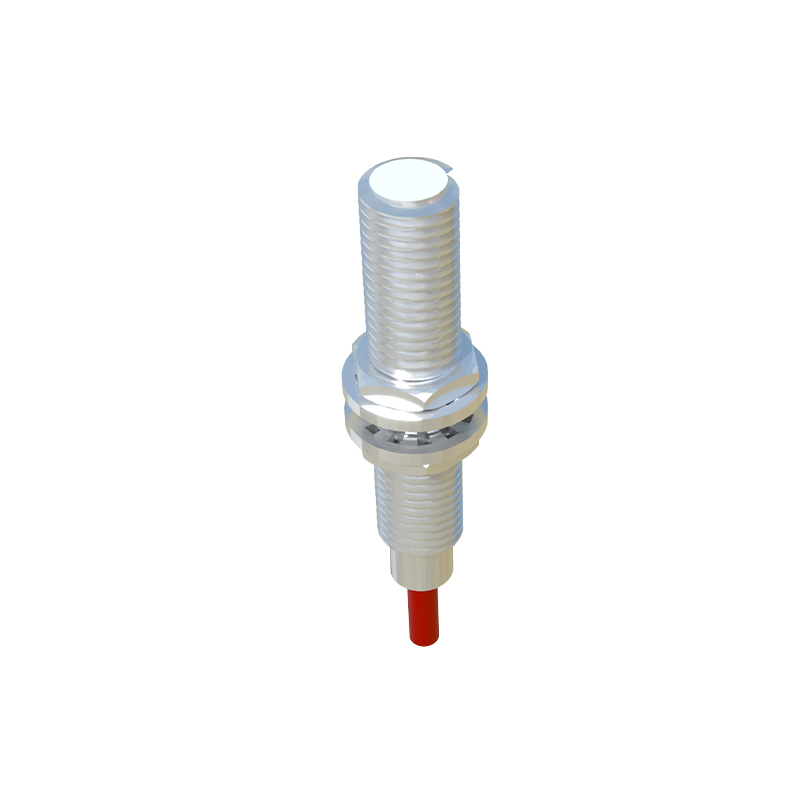
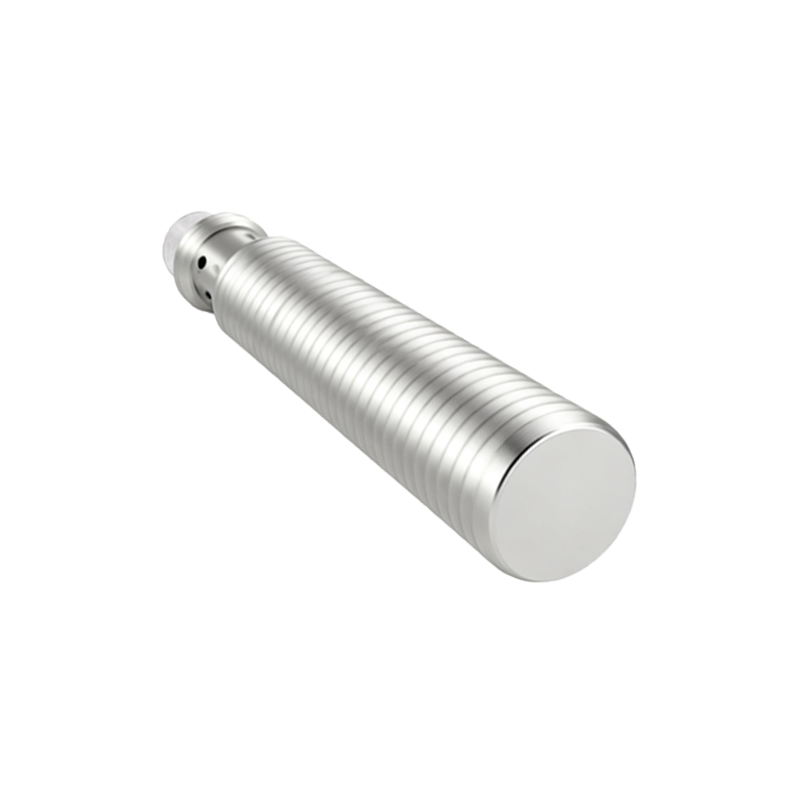
This operating principle grants metallic proximity sensors several distinct advantages. First and foremost is their non-contact nature, which eliminates mechanical wear and tear, ensuring a long operational life even in high-cycle applications. They are exceptionally reliable, unaffected by ambient light, dust, or non-metallic debris (like oil or wood chips), making them ideal for harsh industrial environments. Their response time is extremely fast, often in the microsecond range, allowing for detection in high-speed machinery. Furthermore, they are available in a wide array of housings (cylindrical, rectangular, ring-shaped), sizes, and connection types to fit virtually any installation requirement.
The applications for metallic proximity sensors are vast and span across all manufacturing sectors. Common uses include:
Position Sensing: Verifying the presence or absence of a metal part on a conveyor, at the end of a robotic arm stroke, or in a machining fixture.
End-of-Travel Detection: Acting as limit switches for cylinders, slides, or other moving machine elements.
Counting and Sorting: Tallying metal parts on a production line or triggering a sorting mechanism.
Speed Monitoring: Measuring rotational speed by detecting gear teeth or bolts on a rotating shaft.
Safety Interlocks: Ensuring machine guards or access doors are securely closed before initiating a cycle.
When selecting a metallic proximity sensor for a specific application, several key parameters must be carefully considered:
1. Sensing Distance (Sn): The nominal operating distance at which a standard target (usually mild steel) will trigger the sensor. It is crucial to note that the effective sensing distance varies with different metals. For instance, the sensing range for stainless steel is typically 70-80% of Sn, and for aluminum or copper, it can be as low as 30-50%. Always consult the sensor's correction factors.
2. Target Material and Size: As mentioned, the target's material significantly impacts performance. The target must also be large enough to interact sufficiently with the electromagnetic field; a very small target may not be detected at the full nominal range.
3. Housing Material and Design: Sensors come in nickel-plated brass, stainless steel, or plastic housings. The choice depends on the environment—stainless steel is preferred for washdown or corrosive areas. The form factor (threaded barrel, block-style) must suit the mounting location.
4. Output Type: The two primary types are NPN (sinking) and PNP (sourcing), which define how the sensor switches the load relative to the supply voltage. Selecting the correct type is mandatory for compatibility with the control system. Output configurations also include Normally Open (NO) and Normally Closed (NC).
5. Environmental Ratings: The Ingress Protection (IP) rating (e.g., IP67, IP69K) indicates the sensor's resistance to dust and liquids. For high-temperature applications, ensure the sensor's specified operating temperature range is not exceeded.
6. Flush vs. Non-Flush Mounting: Flush-mountable sensors can be installed embedded in metal without affecting their sensing characteristics, whereas non-flush sensors require a clear area around the sensing face for proper operation.
In conclusion, metallic proximity sensors are a cornerstone of modern industrial sensing. Their simple yet effective inductive principle provides a dependable solution for countless detection tasks involving metal objects. By thoroughly understanding their operation and meticulously considering the application requirements during selection, engineers and technicians can ensure optimal performance, enhance machine reliability, and improve overall system efficiency. Proper installation, respecting mounting clearances and environmental limits, is the final step to unlocking their full potential in any automated system.