In the rapidly evolving landscape of industrial automation, the demand for reliable, versatile, and non-intrusive sensing solutions has never been greater. Among the array of technologies meeting this demand, transparent plastic proximity switch sensors have emerged as a particularly innovative and valuable component. These sensors, which detect the presence or absence of an object without physical contact, are distinguished by their unique housing material—engineered transparent plastics. This material choice is not merely aesthetic; it represents a significant advancement in sensor design, functionality, and application scope.
Traditional proximity sensors often utilize metal or opaque polymer housings. While effective, these designs can present limitations in certain environments. The advent of sensors housed in high-grade, durable transparent plastics addresses several of these challenges. The primary advantage is visual diagnostics. The transparency allows maintenance personnel and operators to visually inspect the internal components, such as the LED status indicators, without disassembling the unit. This facilitates quicker troubleshooting, reduces downtime, and simplifies routine checks, leading to enhanced operational efficiency. In high-speed production lines where every second counts, this feature is invaluable.
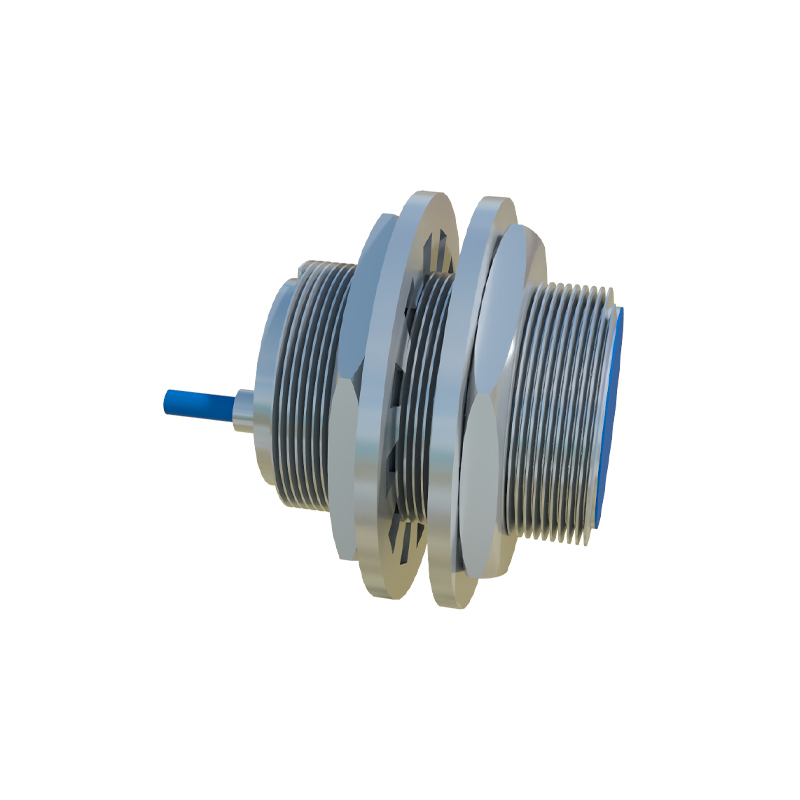
The material science behind these transparent housings is sophisticated. They are typically manufactured from advanced engineering plastics like polycarbonate (PC), polymethyl methacrylate (PMMA), or specific transparent blends. These materials are selected for their exceptional properties: high mechanical strength, excellent resistance to chemicals, oils, and coolants commonly found in industrial settings, and stability across a wide temperature range. Furthermore, they offer superior resistance to impact and abrasion compared to standard glass, making them ideal for harsh environments where debris or minor collisions are possible. The plastics are also engineered to have minimal effect on the sensor's electromagnetic or optical field, ensuring detection performance remains uncompromised.
From a technical operational standpoint, these sensors function on standard principles—inductive, capacitive, or photoelectric—but their packaging offers distinct benefits. Inductive variants, detecting metallic objects, benefit from a housing that doesn't interfere with the electromagnetic field. Photoelectric sensors, which use light beams, gain from a housing that can act as a built-in lens or light pipe, often improving light transmission and allowing for more compact and robust designs. The inherent sealing capabilities of molded plastic also contribute to high Ingress Protection (IP) ratings, such as IP67 or IP69K, making them suitable for washdown areas in food & beverage or pharmaceutical industries where hygiene and durability are paramount.
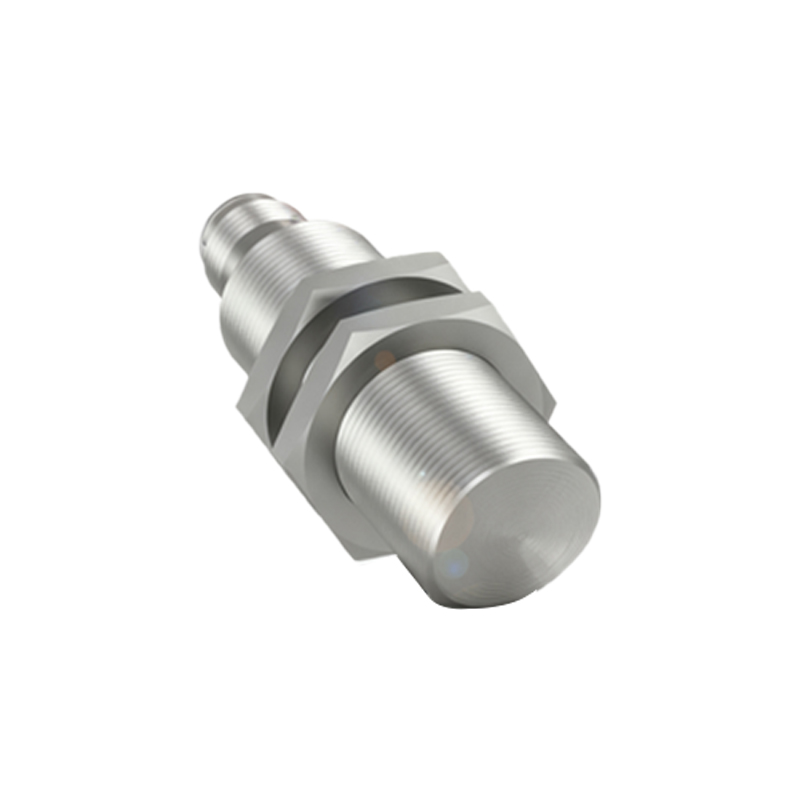
The application spectrum for transparent plastic proximity sensors is broad and growing. In packaging machinery, their robustness and easy visual confirmation of operation ensure consistent sealing and filling processes. Within automated assembly lines, they provide reliable position sensing for robotic arms and conveyors. A critical application is in cleanroom and sterile environments, such as semiconductor manufacturing or medical device assembly. Here, the sensors' smooth, non-porous plastic surface resists particle accumulation and can withstand rigorous cleaning protocols without corrosion. Another emerging area is in collaborative robotics (cobots), where the non-metallic, often lighter housing can be an advantage in safe human-robot interaction scenarios.
When selecting and implementing these sensors, engineers must consider several factors. The sensing distance, influenced by the plastic's dielectric properties, must be verified against the target material. Environmental conditions like continuous UV exposure, which could affect long-term clarity and material strength, should be evaluated. Compatibility with specific washdown chemicals is also crucial. Proper electrical integration, following manufacturer guidelines for wiring and load compatibility, remains a fundamental step. Despite the advanced housing, these sensors are designed for easy integration into standard control systems, typically offering PNP or NPN output configurations.
Looking forward, the trend points toward even smarter and more integrated designs. We can anticipate sensors with enhanced connectivity for Industry 4.0, such as IO-Link capability, housed within these transparent bodies, allowing for parameterization and detailed diagnostic data extraction. The development of plastics with even greater clarity, thermal stability, and resistance to extreme chemicals will further push the boundaries of application.
In conclusion, transparent plastic proximity switch sensors represent a meaningful convergence of material innovation and practical engineering. They solve real-world problems in industrial automation by enhancing reliability, simplifying maintenance, and enabling use in demanding environments. As industries continue to prioritize efficiency, uptime, and adaptability, the role of these clear-view workhorses in the sensor ecosystem is set to become increasingly prominent and indispensable.