In the realm of industrial gas detection, precision, reliability, and safety are non-negotiable. The Laser Methane Sensor 1651 stands as a pinnacle of modern sensing technology, specifically engineered to address the critical need for accurate methane monitoring. Utilizing Tunable Diode Laser Absorption Spectroscopy (TDLAS), this sensor represents a significant leap forward from traditional catalytic bead or electrochemical sensors. Its core principle involves emitting a laser beam at a precise wavelength that is selectively absorbed by methane molecules. By measuring the degree of absorption, the sensor calculates the gas concentration with exceptional accuracy and speed.
One of the most compelling advantages of the Laser Methane Sensor 1651 is its immunity to sensor poisoning and drift. Unlike conventional sensors that can be degraded by exposure to silicone vapors, hydrogen sulfide, or other contaminants, the laser-based technology remains unaffected. This ensures long-term stability and drastically reduces maintenance requirements and operational costs. The sensor requires no routine calibration in typical applications, offering a true "fit-and-forget" solution for many industrial settings. Its operational lifespan far exceeds that of traditional detectors, providing a superior return on investment over time.
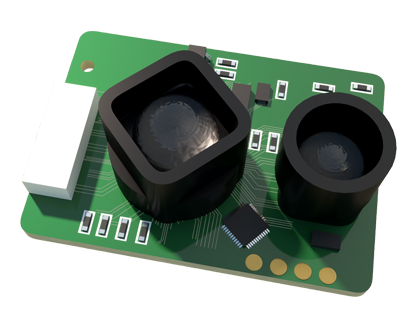
The application scope for the Model 1651 is vast and critical. It is extensively deployed in the oil and gas industry for monitoring potential leaks along pipelines, at wellheads, within compressor stations, and inside processing facilities. In coal mining, it serves as an essential safety device for detecting methane accumulations, thereby preventing explosive hazards. Furthermore, its utility extends to biogas plants, wastewater treatment facilities, and landfill gas monitoring, where precise methane quantification is vital for both process control and environmental compliance. The sensor's fast response time, often in the range of seconds, allows for immediate threat identification and remedial action.

Installation and integration are designed with the engineer in mind. The sensor typically features a robust, explosion-proof housing suitable for harsh and hazardous environments classified for Zone 1 or Class I, Division 1 areas. It offers various output options, including 4-20 mA analog signals, Modbus RTU, or other digital protocols, ensuring seamless compatibility with existing Distributed Control Systems (DCS), Programmable Logic Controllers (PLC), or dedicated safety systems. Remote monitoring capabilities are often enhanced with optional wireless communication modules, enabling data access from centralized control rooms.
Performance specifications of the Laser Methane Sensor 1651 are impressive. It typically offers a wide measurement range, from trace levels measured in parts-per-million (ppm) up to 100% Lower Explosive Limit (LEL) or even percent by volume (% vol) concentrations, depending on the configuration. Its precision is exceptional, with a low margin of error, making it suitable for both safety alarms and process optimization tasks. The optical path is designed to be resilient against dust and dirt, with many models featuring self-cleaning mechanisms or algorithms to compensate for minor window obscuration.
In conclusion, the Laser Methane Sensor 1651 is more than just a detector; it is a cornerstone of modern industrial safety and operational intelligence. By delivering unparalleled accuracy, minimal maintenance, and robust performance in the most demanding conditions, it empowers industries to protect their assets, personnel, and the environment proactively. As regulations tighten and the focus on emission control intensifies, adopting such advanced laser-based technology is not merely an option but a strategic imperative for responsible and efficient operations. Engineers and safety managers seeking to future-proof their gas detection infrastructure would find the capabilities of the Laser Methane Sensor 1651 to be a definitive solution.
