In the demanding landscape of industrial automation, the reliability and precision of sensing technology are non-negotiable. Among the leaders in this critical field, KAMAN Measuring Systems has established a formidable reputation, particularly for its advanced line of inductive proximity switches. These devices are engineered to deliver unparalleled performance in the most challenging environments, making them a cornerstone of modern manufacturing, robotics, and process control systems.
At their core, KAMAN proximity sensors operate on the principle of electromagnetic induction. An oscillator generates a high-frequency electromagnetic field at the active face of the sensor. When a metallic target object enters this field, eddy currents are induced on the surface of the target. This causes a change in the oscillation amplitude within the sensor, which is detected by a threshold circuit. This circuit then triggers a solid-state switch, changing the output state without any physical contact. This fundamental non-contact operation is the key to their longevity and reliability, eliminating mechanical wear and tear associated with limit switches.
The engineering excellence of KAMAN sensors is evident in several key performance characteristics. First is their exceptional sensing distance. Unlike standard sensors, KAMAN offers models with extended ranges, allowing for greater flexibility in machine design and installation. This is coupled with high repeat accuracy, ensuring that the switch point is triggered at precisely the same position every cycle, which is vital for quality control in high-speed assembly or precision machining.
Robustness is another hallmark. Housed in stainless steel or nickel-plated brass bodies, these sensors are built to withstand extreme conditions. They are typically rated with high IP (Ingress Protection) codes, such as IP67 or IP69K, making them resistant to dust, coolants, oils, and high-pressure washdowns. This makes them ideal for harsh applications in food and beverage processing, metalworking, and automotive manufacturing. Furthermore, they are immune to electrical noise commonly found in industrial settings with variable frequency drives and large motors, ensuring stable operation without false triggering.
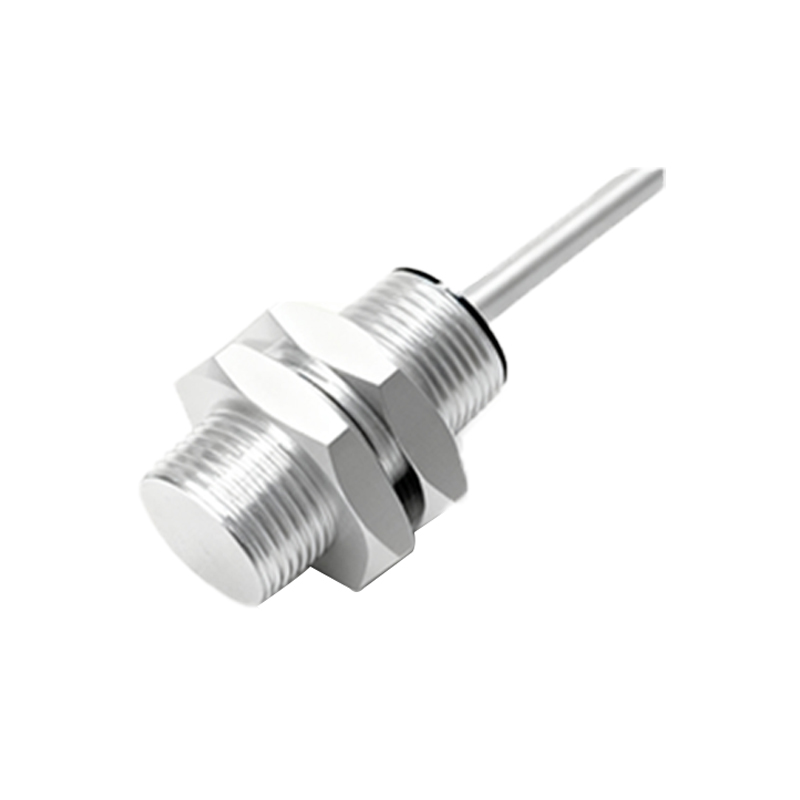
KAMAN's portfolio is diverse, catering to a wide array of applications. Standard cylindrical models (e.g., 8mm, 12mm, 18mm, 30mm diameters) are workhorses for general object detection. Factor-1 rated sensors are specifically designed for sensing all metals—ferrous and non-ferrous—at the same nominal range, simplifying inventory and selection. For specialized needs, there are analog output sensors that provide a continuous voltage or current signal proportional to the distance to the target, enabling precise position monitoring. High-temperature variants can operate reliably in environments exceeding 150°C, while weld-field immune models function flawlessly in the intense magnetic fields generated by resistance welding equipment.
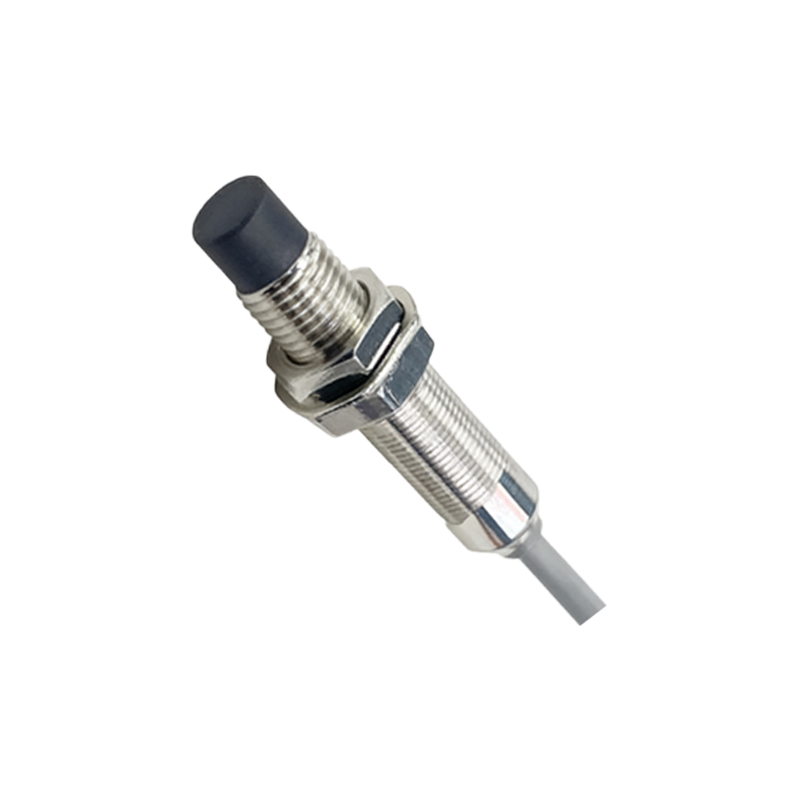
The integration of these sensors into a control system is straightforward, typically requiring a simple three-wire connection (DC voltage, output, and ground) or a two-wire configuration. The output is usually a solid-state NPN or PNP transistor, providing a clean switching signal to a PLC (Programmable Logic Controller) input module. Diagnostic LEDs are standard, offering visual confirmation of power and output status, which significantly aids in troubleshooting and maintenance.
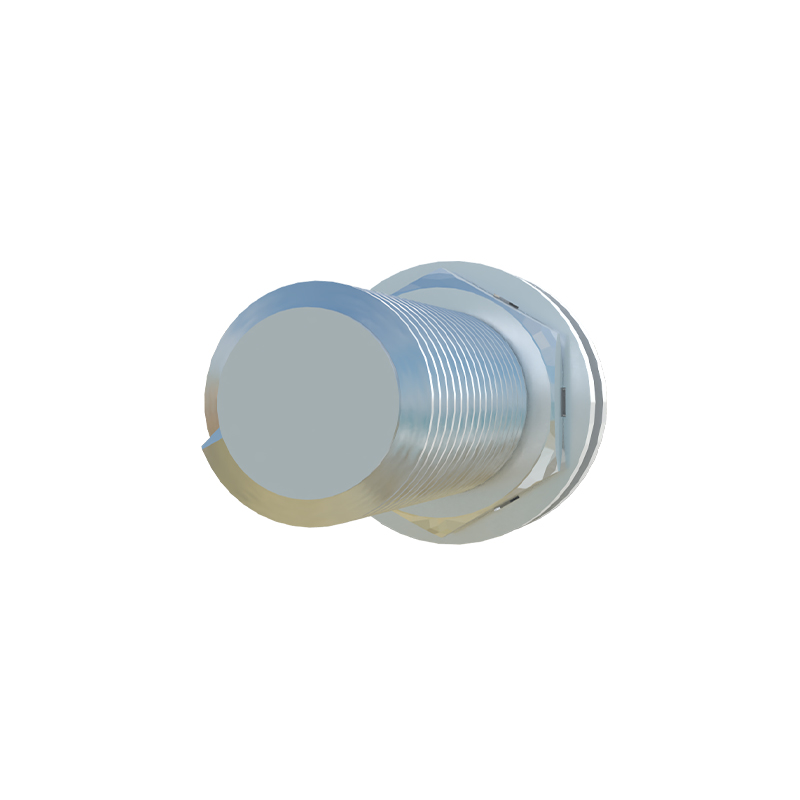
In practical application, the benefits are substantial. On a packaging line, KAMAN sensors reliably detect the presence of metallic lids or cans, ensuring proper filling and capping sequences. In robotic cell tending, they provide precise end-of-arm tooling confirmation and part presence verification. Within CNC machine tools, they act as homing sensors or tool breakage detectors, preventing costly collisions and downtime. Their speed and accuracy are critical in high-cycle operations, directly impacting Overall Equipment Effectiveness (OEE).
Selecting the right KAMAN proximity switch involves considering several parameters: the required sensing distance (sn), the target material and size, the environmental conditions (temperature, chemicals), the electrical requirements (voltage, output type), and the physical housing style. Consulting the detailed technical datasheets is essential for optimal performance.
In conclusion, KAMAN inductive proximity sensors represent a synthesis of robust physical design, sophisticated electronic circuitry, and application-focused engineering. They are not merely components but enabling technologies that provide the essential "eyes" for automated systems. By offering reliable, precise, and non-contact detection of metallic objects, they form a critical link in the chain of industrial automation, driving efficiency, safety, and productivity. For engineers and system integrators demanding performance that matches the rigor of industrial applications, KAMAN sensors provide a trusted and technologically superior solution.