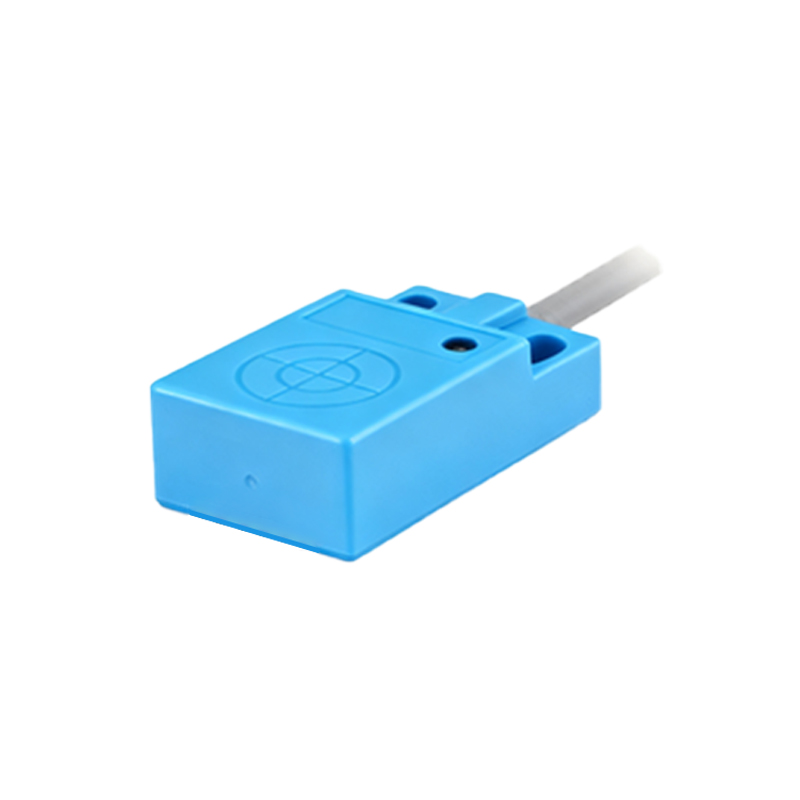
In the rapidly evolving landscape of industrial automation and smart devices, micro proximity sensors have become indispensable components. Their ability to detect the presence or absence of objects without physical contact makes them critical for precision, reliability, and efficiency. However, the performance, safety, and interoperability of these sensors are governed by a complex framework of international standards. Understanding these standards is paramount for engineers designing, specifying, or integrating these components into larger systems.
The primary international body setting the foundational standards for proximity sensors, including micro variants, is the International Electrotechnical Commission (IEC). The cornerstone standard is IEC 60947-5-2: "Low-voltage switchgear and controlgear – Part 5-2: Control circuit devices and switching elements – Proximity switches." This standard defines essential characteristics such as the operating distance, hysteresis, repeat accuracy, and response frequency. It classifies sensors based on their sensing principle (e.g., inductive, capacitive) and output configuration (e.g., PNP, NPN, analog, IO-Link). Crucially, it specifies testing methods to ensure declared performance parameters are met under defined environmental conditions, including temperature ranges, voltage fluctuations, and short-circuit protection.
For micro sensors used in safety-critical applications, such as in machinery guarding or robotic collaboration, the IEC 61496 series "Safety of machinery – Electro-sensitive protective equipment" is vital. Parts 1 and 2 of this series are particularly relevant for active opto-electronic protective devices (AOPDs) like safety light curtains and laser scanners, which often incorporate micro-proximity sensing principles. Compliance with these standards is often a legal requirement to achieve the necessary Safety Integrity Level (SIL) or Performance Level (PL) as defined by other standards like IEC 62061 and ISO 13849-1.
Beyond pure performance and safety, electromagnetic compatibility (EMC) is a critical concern. Micro sensors are susceptible to electromagnetic interference (EMI) and can themselves be sources of emission. The IEC 61000-6 series provides generic EMC standards. Typically, for industrial environments, IEC 61000-6-2 (Immunity) and IEC 61000-6-4 (Emission) apply. These standards ensure that the sensor will operate correctly in the presence of electrostatic discharges (ESD), radiated radio-frequency fields, and fast transient bursts, common in industrial settings.
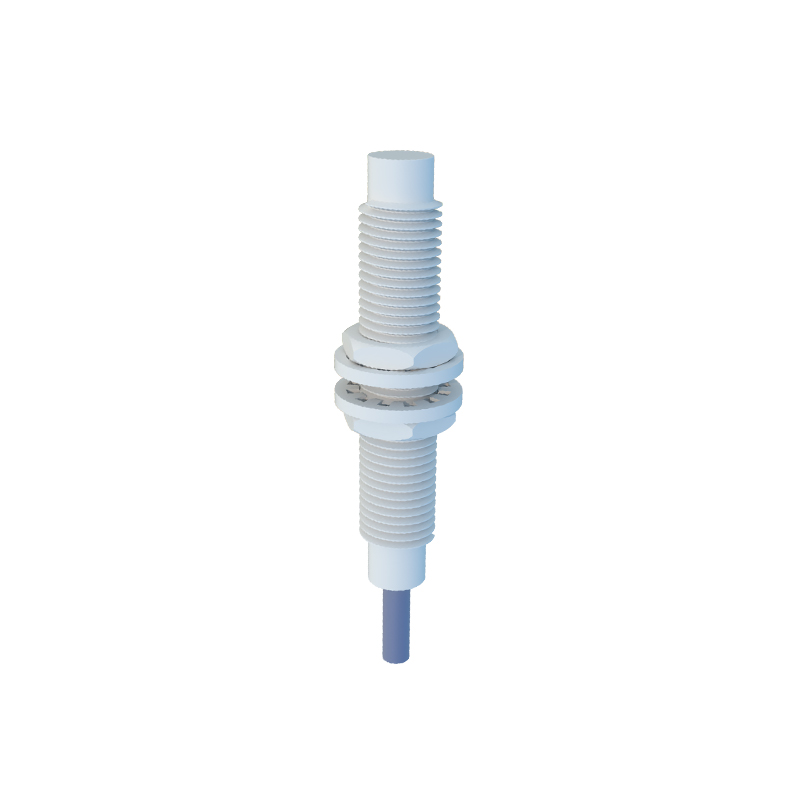
For specific industries, additional standards come into play. In the automotive sector, for instance, sensors must often comply with AEC-Q100, a stress test qualification for integrated circuits, which includes rigorous reliability testing. While not a sensor-specific standard, micro proximity sensors with embedded ICs may need to meet these requirements for automotive use. Similarly, for food and pharmaceutical applications where washdowns are frequent, ingress protection ratings per IEC 60529 (IP Code) and material safety standards like FDA 21 CFR or EU 1935/2004 for food contact become essential. A rating of IP67 or IP69K is commonly specified for such harsh environments.
The trend towards digitalization and Industry 4.0 has also shaped standards. The integration of communication protocols is now a key feature. While not a standard for the sensor itself, support for open, standardized communication protocols like IO-Link (governed by IEC 61131-9) is increasingly a de facto requirement. IO-Link allows for parameterization, advanced diagnostics, and process data exchange, transforming a simple binary sensor into a smart device. Adherence to the IO-Link specification ensures interoperability across different manufacturers' devices and control systems.
When selecting a micro proximity sensor, engineers must create a compliance matrix aligning application requirements with the relevant standards. Key questions include: What is the required sensing distance and accuracy (IEC 60947-5-2)? Is functional safety needed (IEC 61496)? What is the operating environment's EMI and physical harshness (IEC 61000-6, IEC 60529)? Are there industry-specific material or reliability mandates (AEC-Q100, FDA)? Finally, is smart sensor functionality required (IO-Link)?
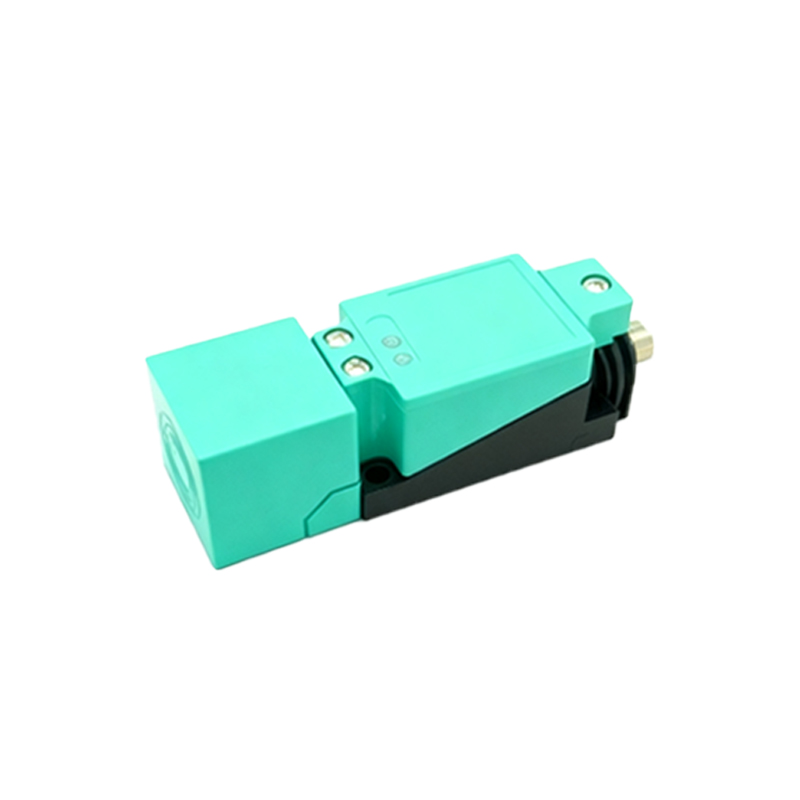
In conclusion, the world of micro proximity sensor standards is multifaceted, spanning performance, safety, environmental robustness, and digital communication. A thorough understanding of standards such as IEC 60947-5-2, IEC 61496, IEC 61000-6, and IEC 60529, among others, is not merely an academic exercise. It is a fundamental engineering practice that ensures device reliability, system safety, regulatory compliance, and ultimately, the success of the automation solution. As sensors become smaller, smarter, and more integrated, staying abreast of evolving standards will remain a critical competency for electrical and automation engineers worldwide.
SEO