In the rapidly evolving landscape of electrical engineering and automation, face proximity sensors have emerged as a pivotal component, seamlessly integrating safety, efficiency, and user interaction into a wide array of systems. Unlike traditional proximity sensors that detect general presence or motion, face proximity sensors are specifically designed to recognize and respond to the close presence of a human face. This targeted functionality unlocks a multitude of applications, fundamentally transforming how humans interact with machines and how systems ensure operational safety.
The core principle behind these sensors often involves a combination of technologies. Many utilize infrared (IR) sensing arrays or time-of-flight (ToF) cameras. These components emit a low-power signal, typically infrared light, and measure the reflection or the time taken for the signal to return. Advanced algorithms then analyze this data to distinguish the unique contour, heat signature, or spatial profile of a human face from other objects in the environment. This discrimination is crucial; it prevents false triggers from inanimate objects while ensuring high reliability when a person's face approaches a designated area.
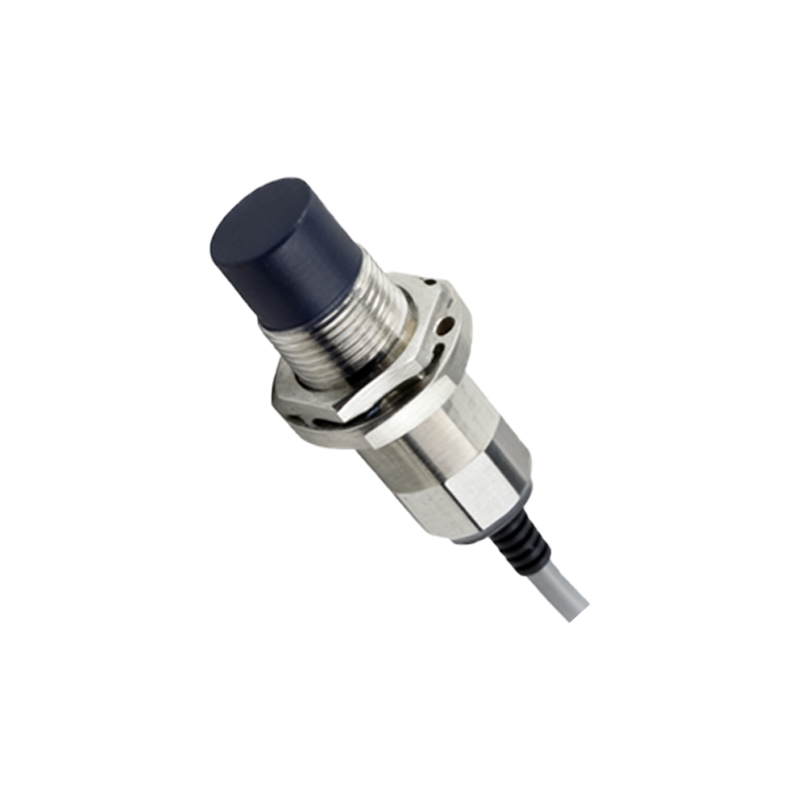
One of the most critical applications is in the realm of industrial safety. In manufacturing environments with heavy machinery, robotic arms, or automated assembly lines, accidental operator intrusion into hazardous zones is a constant risk. A strategically placed face proximity sensor can detect when a worker's face (and by extension, their body) enters a dangerous perimeter. Upon detection, the sensor sends an immediate signal to the machine's control unit, triggering an emergency stop or a slowdown procedure. This proactive safety measure goes beyond standard light curtains or pressure mats, offering a more nuanced and direct form of protection focused on the most vital part of the operator.
Beyond pure safety, these sensors are revolutionizing user experience and energy conservation in consumer and commercial electronics. Consider modern laptops, tablets, or large-format displays. Integrated face proximity sensors can detect when a user leans in to view the screen more closely or, conversely, when they move away. This intelligence allows the device to automatically adjust screen brightness for optimal viewing or, in a power-saving mode, to dim or turn off the display entirely when the user is not present. This not only enhances comfort but also significantly extends battery life and reduces overall energy consumption.
In the automotive sector, face proximity sensors contribute to both convenience and driver safety. They can be embedded in the dashboard or steering column to monitor the driver's attentiveness. If the sensor detects the driver's face turning away from the road for an extended period, perhaps indicating distraction or drowsiness, it can trigger an alert within the vehicle's advanced driver-assistance system (ADAS). Furthermore, in-cabin infotainment systems can use such sensors to activate or prepare menus as the driver or passenger reaches toward the screen, creating a more intuitive, hands-free interaction model.
The integration of face proximity sensors also presents new frontiers in smart home and building automation. In security systems, they can act as a preliminary layer of verification before more complex facial recognition systems engage, conserving processing power. In interactive kiosks or public information displays, a sensor detecting an approaching face can wake the device from standby, presenting a welcome screen or relevant information instantly, thereby improving engagement and responsiveness.
However, the deployment of face proximity sensors is not without its engineering considerations. Designers must account for environmental factors such as ambient light interference, which can affect IR-based sensors, or the presence of glasses, hats, and facial hair that might alter the detection profile. Robust filtering algorithms and sensor fusion—combining data from multiple sensor types—are often employed to mitigate these challenges. Privacy is another paramount concern; it is essential to distinguish that a basic proximity sensor detecting the presence of a face is fundamentally different from a facial recognition system that identifies individuals. Clear communication about data usage and ensuring sensors are designed for proximity detection only, without capturing or storing identifiable biometric data, is critical for user trust and regulatory compliance.
In conclusion, face proximity sensors represent a sophisticated convergence of sensing technology, data processing, and practical application design. They function as intelligent gatekeepers, enhancing safety in industrial settings, optimizing energy use in consumer devices, and enabling more natural human-machine interfaces. For electrical engineers and system designers, understanding their operational principles, integration requirements, and ethical implications is key to harnessing their full potential. As the Internet of Things (IoT) and automated systems continue to proliferate, the role of the face proximity sensor will undoubtedly expand, making our interactions with technology safer, more efficient, and remarkably more intuitive.