Proximity switches and plug-in sensors are fundamental components in modern industrial automation, offering non-contact detection of metallic and non-metallic objects. Their reliability, durability, and ease of integration make them indispensable for tasks ranging from simple position sensing to complex sequence control in manufacturing, packaging, and material handling systems.
A proximity switch operates by generating an electromagnetic field or a beam of light. When a target object enters this field, it causes a change in the oscillation amplitude or light reflection, which is detected by the sensor's internal circuit. This detection triggers a solid-state output signal, typically switching a load on or off. The primary types include inductive sensors (for detecting metals), capacitive sensors (for detecting metals, liquids, plastics, and other materials), and photoelectric sensors (using light beams). Their key advantages are the absence of mechanical wear, high switching frequency, and resistance to harsh environmental conditions like dust, moisture, and vibration.
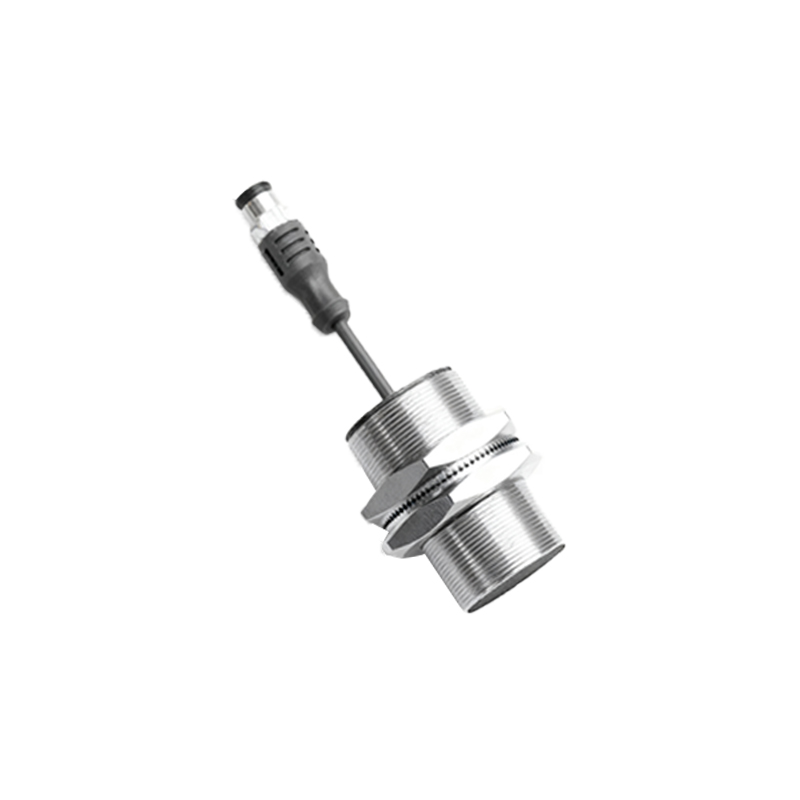
The evolution towards plug-in sensor designs represents a significant leap in maintenance efficiency and system uptime. Traditional hard-wired sensors require tools and time for replacement, involving the disconnection and reconnection of individual wires—a process prone to errors and prolonged machine downtime. In contrast, a plug-in sensor features a standardized connector integrated into the sensor housing. The sensor head simply plugs into a pre-wired, fixed base or socket mounted on the machine. This design offers several critical benefits:
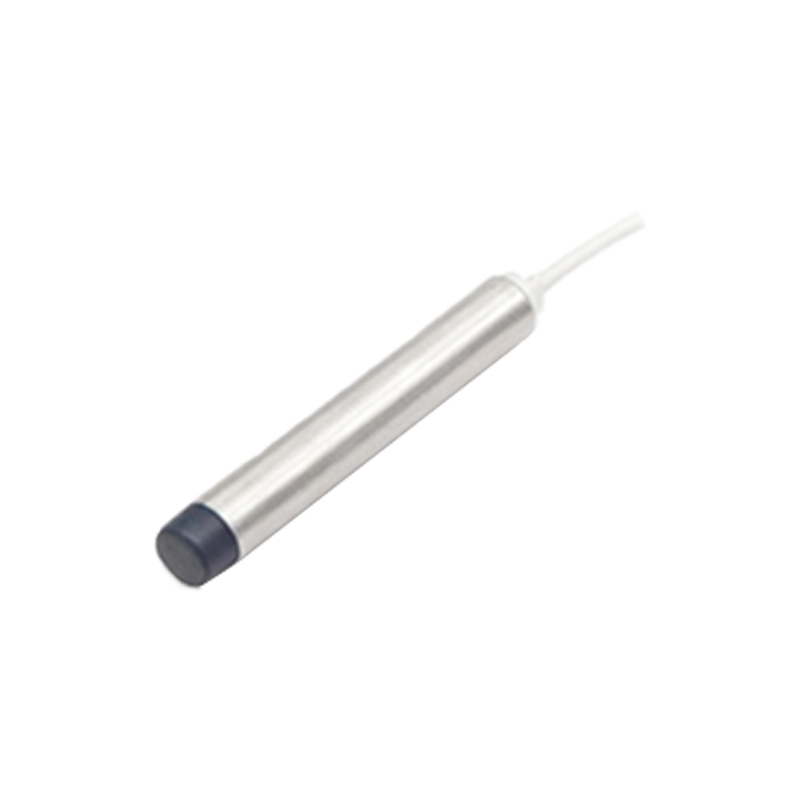
Rapid Replacement: A faulty sensor can be swapped in seconds without touching the electrical wiring. The technician removes the old sensor from its base and inserts a new one, restoring operation almost immediately.
Reduced Wiring Errors: The base is wired once during installation. Subsequent sensor changes eliminate the risk of incorrect wire connections, enhancing system reliability and safety.
Simplified Inventory: Facilities can standardize on a few types of sensor bases while stocking various compatible sensor heads for different sensing ranges and functions, simplifying inventory management.
Enhanced Protection: The plug-in interface is often designed with IP67 or higher ratings, maintaining environmental sealing even after multiple disconnections, which is crucial for washdown areas in food and beverage or pharmaceutical industries.
When selecting a plug-in proximity sensor, engineers must consider several technical parameters to ensure optimal performance. The sensing distance, or "switching distance," must be chosen with a safety margin (typically 70-80% of the nominal value) to account for target variations and mechanical tolerances. The housing material, such as nickel-plated brass, stainless steel, or PBT plastic, must be compatible with the application's chemical and physical environment. Output configuration (PNP/NPN, NO/NC) must match the controller's input card requirements. Furthermore, advanced features like IO-Link communication are increasingly integrated into plug-in designs. IO-Link transforms a simple sensor into a smart device, enabling parameter setting, real-time process data monitoring (like signal strength), and detailed diagnostic information (like operating hours or overload events) to be communicated directly to the control system, paving the way for predictive maintenance.
Installation and alignment are critical for reliable operation. Sensors should be mounted securely to minimize vibration effects. For inductive sensors, it is essential to maintain a minimum distance between adjacent sensors to prevent mutual interference. The target object's size, shape, and material significantly influence the effective sensing range; standard test targets (usually mild steel for inductive sensors) are specified in datasheets. Regular functional testing, even with plug-in systems, is recommended as part of preventive maintenance to check for degraded sensing range or output signal issues caused by accumulated debris or mechanical damage to the sensing face.
In conclusion, the integration of proximity sensing technology with plug-in connectivity is a cornerstone of efficient and resilient industrial automation. It marries the operational advantages of non-contact detection with the logistical and maintenance benefits of modular design. As industries advance towards Industry 4.0, these sensors are evolving from mere binary switches into intelligent data points, with plug-in form factors ensuring that this intelligence remains accessible and serviceable. Specifying the right plug-in proximity sensor—with careful attention to type, range, housing, output, and connectivity features—is a strategic decision that directly impacts productivity, maintenance costs, and overall equipment effectiveness (OEE) on the factory floor.