Metal proximity sensors are indispensable components in modern industrial automation, offering non-contact detection of metallic objects with high reliability and precision. These sensors operate on the principle of electromagnetic induction, where an oscillator generates a high-frequency electromagnetic field. When a metallic target enters this field, eddy currents are induced in the metal, causing a change in the sensor's oscillation amplitude or frequency. This change is detected and converted into an electrical signal, typically a switch output, to indicate the presence or absence of the target.
There are several types of metal proximity sensors, each suited to specific applications. Inductive proximity sensors are the most common, designed to detect ferrous metals like iron and steel, but they can also sense non-ferrous metals such as aluminum or copper with adjusted sensitivity. Key specifications include sensing distance, which ranges from a few millimeters to several centimeters, depending on the sensor size and target material. Factors like temperature, humidity, and environmental contaminants must be considered during selection to ensure optimal performance in harsh industrial settings, such as manufacturing lines, robotics, and automotive assembly.
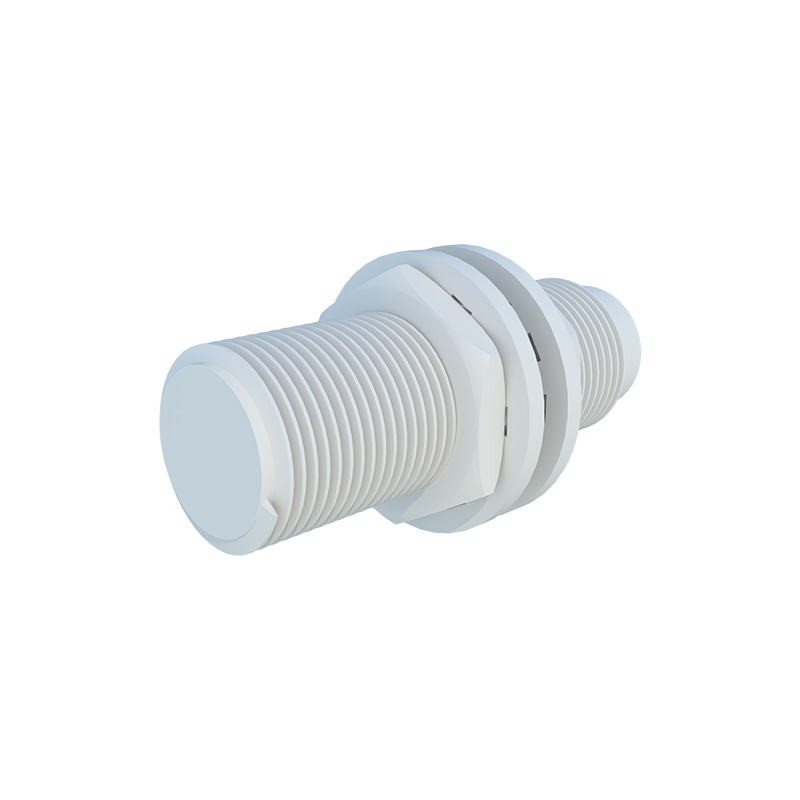
Installation and calibration are critical for maximizing sensor efficiency. Proper mounting, alignment, and shielding from electromagnetic interference can prevent false triggers. Regular maintenance, including cleaning and testing, extends sensor lifespan. Advanced models feature embedded diagnostics, output status indicators, and adjustable hysteresis to enhance functionality. In summary, metal proximity sensors provide robust, contactless solutions for position detection, counting, and safety applications, driving efficiency in automated systems worldwide.