In the realm of industrial automation, precision, reliability, and durability are non-negotiable. At the heart of countless automated systems lies a critical component often operating unseen: the source metal proximity sensor. This device is fundamental to modern manufacturing, material handling, and machinery safety. Unlike standard inductive sensors, source metal proximity sensors are specifically engineered to detect only metallic objects, offering unparalleled stability and performance in harsh industrial environments.
The core principle of a source metal proximity sensor is electromagnetic induction. The sensor generates a high-frequency oscillating electromagnetic field from its active face. When a metallic target enters this field, eddy currents are induced on the surface of the metal. This process dampens the oscillation amplitude within the sensor's coil. The integrated evaluation electronics detect this change and subsequently switch the output state. This non-contact detection method eliminates mechanical wear, ensuring a long operational life with minimal maintenance.
A key differentiator of source metal sensors is their construction. The sensing face is typically made of a specialized, wear-resistant metal alloy, often stainless steel. This "source metal" design provides exceptional resistance to physical abrasion, chemical corrosion, and high-pressure washdowns—common challenges in industries like automotive, food and beverage, and metalworking. The robust housing protects the oscillator coil and circuitry from shock, vibration, and electromagnetic interference (EMI), guaranteeing consistent operation.
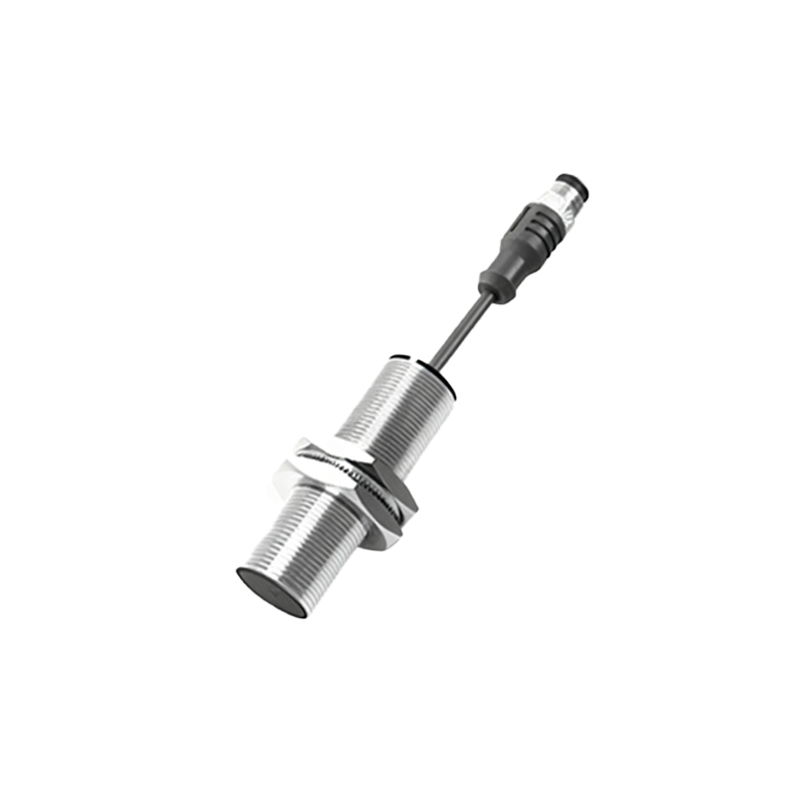
The applications for these sensors are vast and critical. They are indispensable in position verification on assembly lines, ensuring a component is present before a robotic weld or a stamping press cycle begins. In packaging machinery, they count metallic items or verify the position of foil lids. They serve as essential safety interlocks on machine guards, detecting whether an access door is securely closed before initiating a dangerous process. Furthermore, in material handling, they control the positioning of metallic pallets, containers, and elevator platforms with exacting precision.
Selecting the right source metal proximity sensor requires careful consideration of several technical parameters. The sensing distance, or nominal range, is specified for a standard mild steel target. It is crucial to note that different metals have different correction factors; for instance, stainless steel may reduce the effective sensing range. The sensor's housing style (e.g., cylindrical, rectangular, or ring-shaped) must suit the mounting constraints. Output type is another vital choice: PNP (sourcing) or NPN (sinking) transistor outputs are standard for programmable logic controller (PLC) integration, while some models offer analog current (4-20 mA) or voltage (0-10 V) outputs for distance-proportional measurement. Environmental ratings, particularly Ingress Protection (IP) codes like IP67 or IP69K, are mandatory for applications exposed to dust, moisture, or high-temperature cleaning.
Installation and commissioning are straightforward but demand attention to detail. Maintaining the proper gap between the sensor face and the target is essential for reliable switching. Designers must account for lateral offset and ensure the target approaches the sensor axially for optimal performance. A common pitfall is installing the sensor too close to a metal machine frame, which can cause false triggering or a reduced sensing range—a phenomenon known as shielding. Adequate clearance from surrounding metal is always specified in the datasheet. Regular functional checks, typically via the sensor's built-in LED indicator, are recommended as part of preventive maintenance routines.
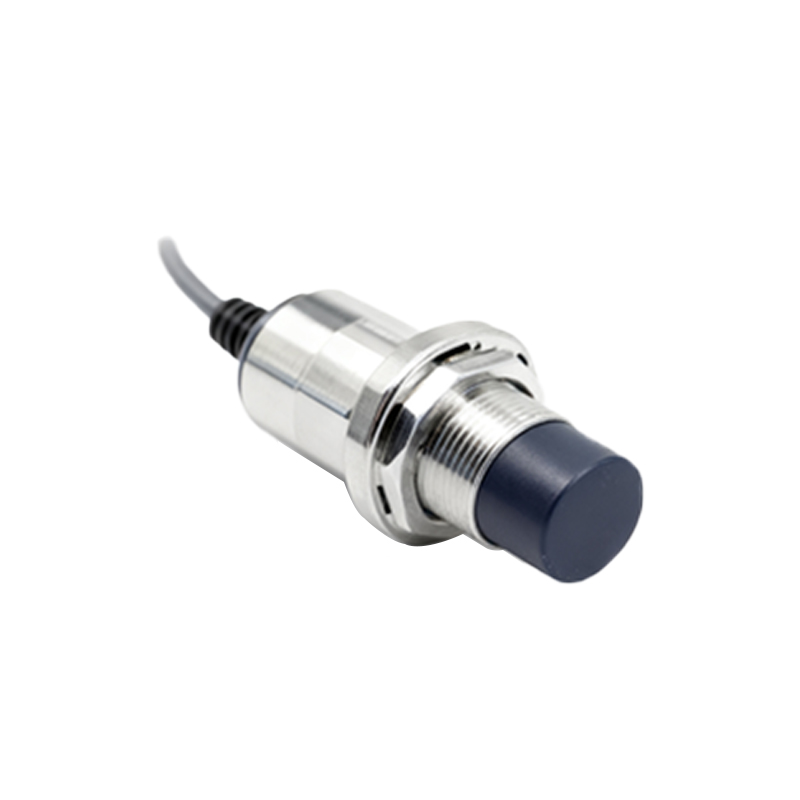
The evolution of source metal proximity sensors continues, driven by Industry 4.0 demands. Modern iterations feature advanced diagnostics, such as IO-Link communication, which allows for remote parameter setting, condition monitoring, and predictive maintenance data transmission. This digital layer transforms a simple binary switch into an intelligent node on the industrial network, providing valuable insights into machine health and process efficiency.
In conclusion, the source metal proximity sensor is far more than a simple switch. It is a robust, precise, and intelligent guardian of industrial processes. Its ability to provide consistent, non-contact detection of metallic objects in the most demanding conditions makes it an irreplaceable element in achieving high productivity, stringent quality control, and enhanced operational safety. For engineers and system integrators, a deep understanding of its capabilities and correct application is paramount to building resilient and efficient automated systems.