Laser sensors have become indispensable tools across various industrial sectors due to their precision, reliability, and versatility. This catalog provides an in-depth overview of the latest laser sensor technologies, designed to meet the demanding requirements of modern automation, quality control, and measurement systems.
The catalog begins with a detailed introduction to the fundamental principles of laser sensing, including time-of-flight (ToF), triangulation, and confocal measurement techniques. Each method is explained with clear diagrams and practical examples, highlighting their unique advantages in different scenarios. For instance, ToF sensors excel in long-range distance measurement, while triangulation sensors offer high accuracy for surface profiling.
A wide range of laser sensor models is featured, categorized by their specific applications. These include distance sensors, displacement sensors, profile scanners, and safety laser scanners. Key specifications such as measurement range, resolution, response time, and environmental ratings (e.g., IP67 for dust and water resistance) are provided in easy-to-read tables. For example, the LSM-200 series offers a measurement range of 0.05 to 10 meters with a resolution of 0.1 mm, ideal for warehouse automation and robotic guidance.
The catalog also emphasizes the integration capabilities of these sensors with industrial networks like PROFINET, EtherCAT, and IO-Link. This ensures seamless communication within Industry 4.0 frameworks, enabling real-time data acquisition and process optimization. Additionally, software tools for configuration, diagnostics, and data analysis are described, supporting users from installation to maintenance.
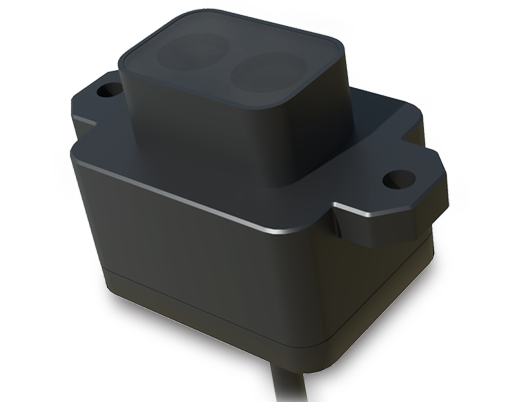
Special attention is given to application case studies across industries. In automotive manufacturing, laser sensors are used for precise gap and flush measurement between body panels. In electronics assembly, they ensure accurate component placement on printed circuit boards. Logistics centers utilize them for parcel dimensioning and sorting, while pharmaceutical companies rely on them for fill-level inspection in sterile environments. Each case study includes technical challenges, sensor selection criteria, and achieved outcomes, such as improved throughput or reduced error rates.
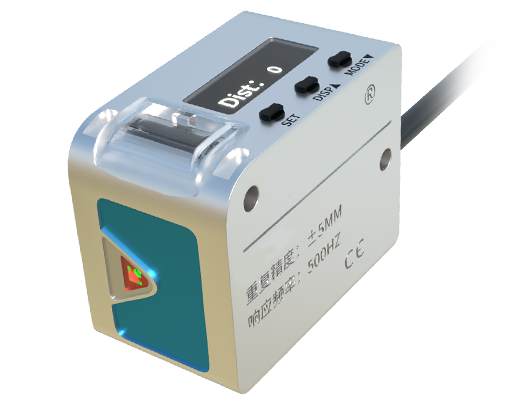
Environmental adaptability is another critical focus. The catalog details sensors designed for extreme conditions, including high-temperature variants for foundries, robust models for vibration-prone machinery, and options with enhanced resistance to ambient light interference. This ensures reliable performance in harsh industrial settings.
Finally, the catalog provides guidance on selecting the right laser sensor based on application needs. A step-by-step selection flowchart helps users consider factors like target material, surface properties, required accuracy, and installation constraints. Support services, including technical consultation, calibration, and training programs, are also outlined to assist customers throughout the product lifecycle.

In summary, this laser sensor catalog serves as a comprehensive resource for engineers and decision-makers seeking to enhance operational efficiency and quality through advanced sensing solutions. By combining technical depth with practical insights, it aims to facilitate informed choices in sensor technology adoption.