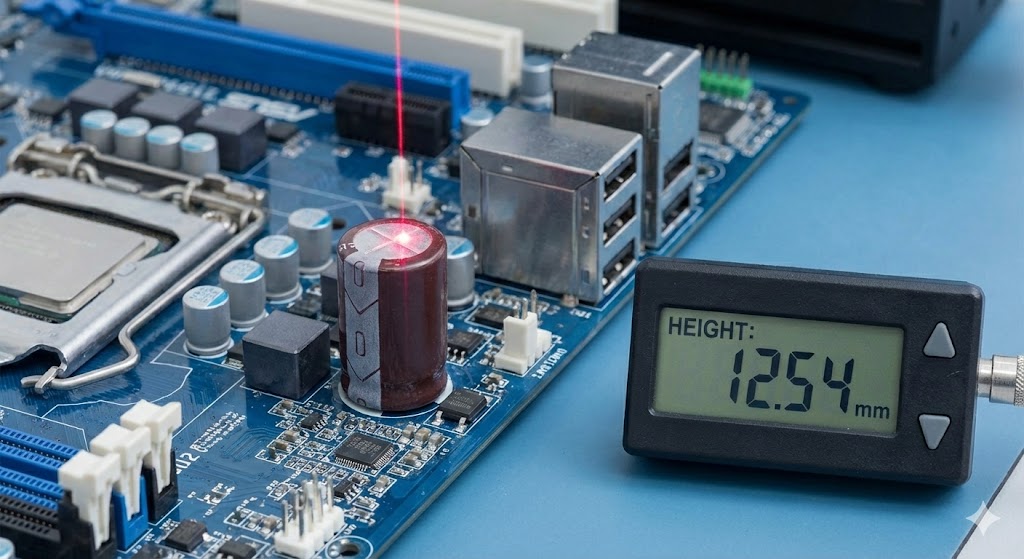
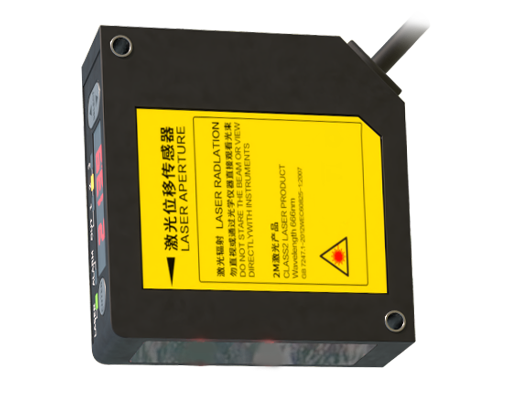
In modern industrial operations, water shortage incidents can lead to severe consequences, including equipment damage, production halts, and safety hazards. To address this critical issue, water shortage alarm laser sensors have emerged as a reliable and efficient solution. These sensors utilize advanced laser technology to detect the presence or absence of water in pipelines, tanks, or cooling systems, providing real-time alerts to prevent operational disruptions.
The core principle of a water shortage alarm laser sensor involves emitting a focused laser beam toward the target area, such as a water surface or flow path. When water is present, the laser light interacts with the liquid, resulting in specific optical phenomena like reflection, refraction, or scattering. The sensor's receiver detects these changes and processes the signal to confirm water presence. Conversely, if water levels drop below a threshold or disappear entirely, the laser beam's behavior alters—often passing through air with minimal interference—triggering an alarm signal. This non-contact measurement method ensures high accuracy and durability, as the sensor does not physically touch the water, reducing corrosion and maintenance needs.
Key advantages of laser-based sensors include their precision and responsiveness. Unlike traditional float switches or conductivity probes, laser sensors are unaffected by water quality variations, such as turbidity or chemical composition, making them suitable for diverse industrial environments like power plants, manufacturing facilities, and HVAC systems. They can detect minute changes in water levels, with some models offering millimeter-level resolution, ensuring early warning capabilities. Additionally, these sensors are designed for easy integration into existing control systems, supporting protocols like 4-20 mA, Modbus, or Ethernet for seamless data transmission.
In practice, installing a water shortage alarm laser sensor requires careful consideration of factors like mounting position, beam alignment, and environmental conditions. For instance, in a cooling tower application, the sensor might be positioned above the water basin to monitor minimum safe levels. Regular calibration and lens cleaning are recommended to maintain optimal performance, as dust or debris could interfere with laser transmission. Many industrial-grade sensors also feature robust enclosures rated IP67 or higher, protecting against dust, moisture, and temperature extremes from -20°C to 70°C.
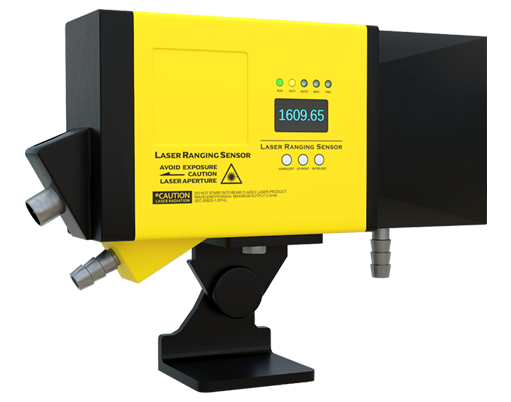
Case studies highlight the effectiveness of these sensors. In a chemical processing plant, a laser sensor was deployed to monitor coolant flow in heat exchangers. By providing instant alerts during water shortages, it prevented overheating and potential equipment failure, saving an estimated $50,000 annually in downtime costs. Similarly, in agricultural irrigation systems, laser sensors help optimize water usage by detecting blockages or pump failures, promoting sustainability.
Looking ahead, innovations in water shortage alarm laser sensors are focusing on enhanced connectivity and smart analytics. Integration with IoT platforms allows for remote monitoring and predictive maintenance, while AI algorithms can analyze historical data to forecast water usage patterns. As industries prioritize efficiency and safety, these sensors will play an increasingly vital role in automated water management.
In summary, water shortage alarm laser sensors offer a cutting-edge approach to safeguarding industrial processes. Their non-contact design, high reliability, and adaptability make them indispensable for preventing water-related incidents. By investing in this technology, companies can ensure continuous operations, reduce risks, and contribute to resource conservation. For engineers and facility managers, understanding and implementing these sensors is key to modern industrial resilience.