In industrial automation and control systems, proximity sensors are indispensable components for non-contact detection of objects. Their reliability is paramount for ensuring seamless production flow, machine safety, and process accuracy. However, a persistent and often perplexing issue faced by maintenance engineers and system integrators is the failure to successfully unbind or decommission a proximity sensor from a control system. This problem can lead to system errors, unintended machine behavior, and significant downtime. Understanding the root causes and implementing effective solutions is critical for operational continuity.
The term "unbinding" in this context refers to the process of disassociating a sensor from a programmable logic controller (PLC), a safety relay, a networked I/O module, or a dedicated control unit. This is typically required during sensor replacement, system reconfiguration, or troubleshooting. A failure in this process manifests as the control system continuing to recognize the old sensor's address or signal, refusing to accept a new sensor, or generating persistent fault alarms despite the physical removal of the device.
Several technical factors can contribute to proximity sensor unbinding failures. A primary cause is residual configuration data within the controller's memory or firmware. Modern intelligent sensors, especially those with IO-Link capability or embedded identification data (like AS-i or PROFINET devices), store parameters such as unique node addresses, measurement ranges, and operating modes. Simply disconnecting the physical wiring does not erase this stored configuration. The control system may still be "listening" for the specific digital fingerprint of the old device.
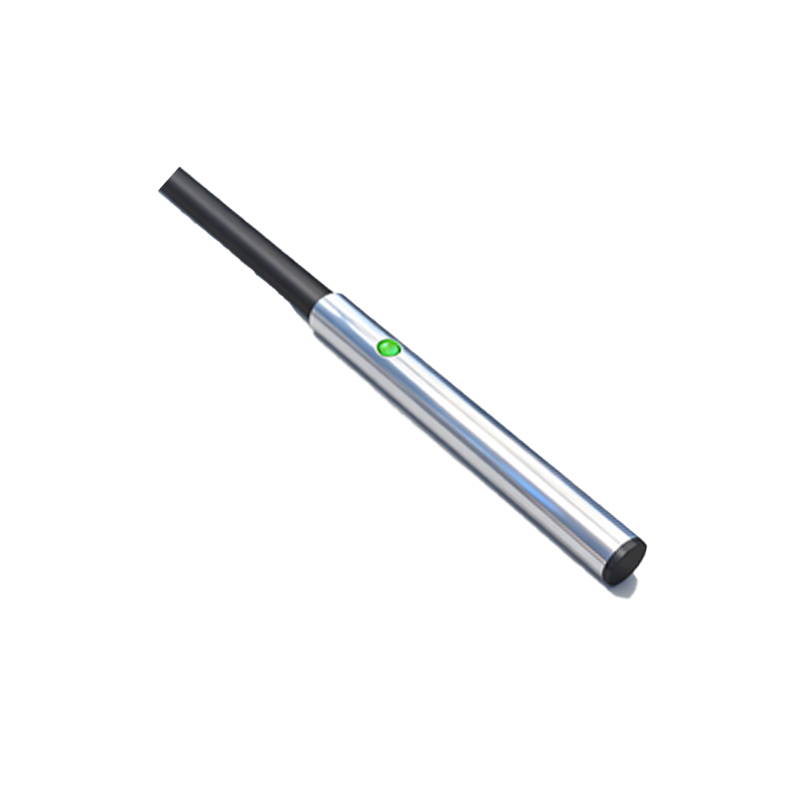
Another prevalent issue lies within the hardware and wiring itself. Faulty or degraded cabling can create intermittent signals that mimic a sensor's presence. Capacitive coupling or induced voltages in long cable runs, especially in environments with high electromagnetic interference (EMI) from motors or variable frequency drives (VFDs), can trick the input circuit into believing a sensor is still active. Furthermore, problems with the sensor's power supply, such as voltage spikes or insufficient current, can leave the control system in an ambiguous state regarding the sensor's status.
Software and protocol-specific complexities form a third major category. In networked systems using fieldbuses like PROFIBUS, EtherNet/IP, or Modbus, unbinding requires proper node deletion or deactivation within the network configuration tool. Skipping this step or encountering communication errors during the process can orphan the device in the controller's scan list. Similarly, in safety-critical applications using safety sensors with dual channels or coded magnetic fields, the unbinding process is often part of a validated safety procedure. Any deviation can cause the safety controller to lock out further changes until a proper reset sequence is executed.
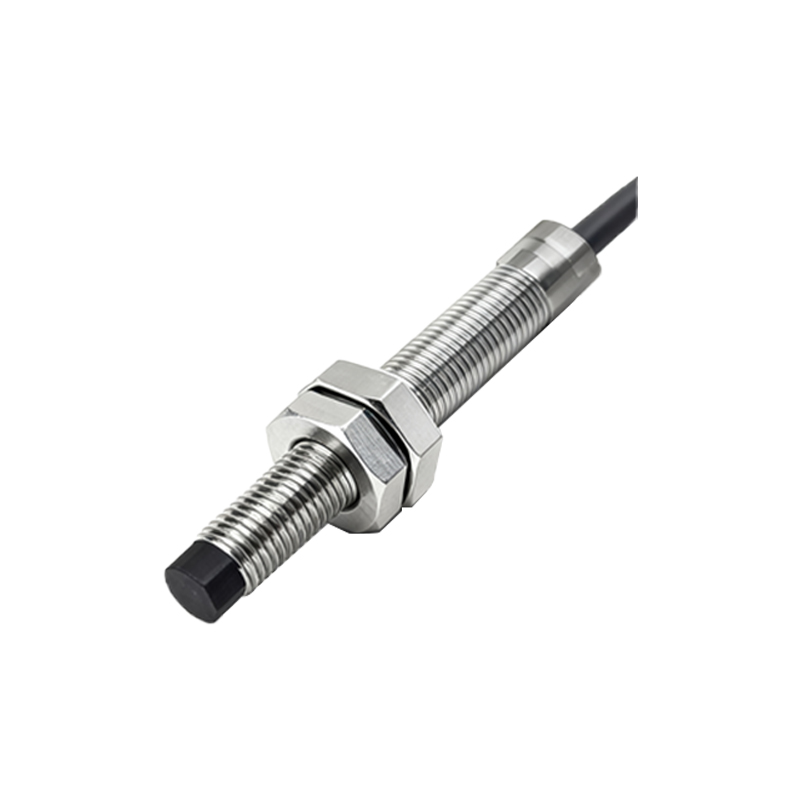
Addressing these failures requires a systematic approach. First, always consult the specific technical documentation for both the sensor and the control system. The manufacturer's prescribed procedure for device replacement or removal is the authoritative guide. For intelligent sensors, use the designated configuration software (e.g., Siemens TIA Portal, Rockwell Studio 5000, or vendor-specific tools) to formally delete the device from the hardware configuration and download the modified project to the PLC.
For hard-wired sensors, a comprehensive physical check is essential. After disconnection, use a multimeter to verify the absence of voltage or stray signals on the input terminals. Inspect cables for damage and ensure proper shielding and grounding practices are followed to mitigate EMI. A power cycle of the entire control cabinet can sometimes clear latent memory states in simpler systems, though this should be done during planned downtime.
In networked environments, utilize the diagnostic functions of the engineering software. Check for orphaned devices, communication fault logs, and ensure the network scan is updated. For persistent issues, temporarily configuring the input address to a different, unused one can help isolate the problem. In safety systems, strictly follow the documented safety function deactivation and reactivation protocols, which may involve a specific sequence of commands or the use of a hardware key.
Prevention is ultimately more efficient than troubleshooting. Maintaining accurate and up-to-date documentation of all sensor parameters, network addresses, and wiring diagrams is crucial. Implementing a strict change management protocol ensures that any modification to the sensor landscape is recorded and executed correctly. When specifying new systems, consider sensors and controllers from the same ecosystem or those with proven interoperability to minimize integration ghosts.
Proximity sensor unbinding failures, while frustrating, are rarely insurmountable. They underscore the increasing complexity and intelligence embedded in modern industrial components. By moving beyond a simple "unplug and replace" mentality and adopting a methodical, knowledge-based approach that considers electrical, software, and procedural factors, engineers can resolve these issues efficiently, minimizing downtime and maintaining the high reliability expected in automated industrial environments.