In the realm of industrial automation, process control, and precision measurement, laser sensors have become indispensable tools. Their ability to provide non-contact, high-accuracy detection makes them critical components in manufacturing, robotics, and quality assurance systems. A common and crucial question from engineers, system integrators, and procurement specialists is: "How long do laser sensors last?" The answer is not a simple number of hours or years, as the operational lifespan of a laser sensor is influenced by a complex interplay of factors including its design, operating environment, application intensity, and adherence to maintenance protocols.
At its core, the longevity of a laser sensor is primarily determined by the lifespan of its key components: the laser diode and the photodetector. Modern laser diodes, especially those used in industrial-grade sensors, are designed for extreme durability. Under ideal laboratory conditions—stable temperature, clean environment, and operation within specified parameters—a laser diode can theoretically operate for tens of thousands of hours, often exceeding 50,000 to 100,000 hours. This translates to over a decade of continuous use. However, "real-world" industrial environments are far from ideal. The photodetector, which receives the reflected light, is also a solid-state component with a similarly long theoretical life but is susceptible to degradation from contamination and excessive ambient light.
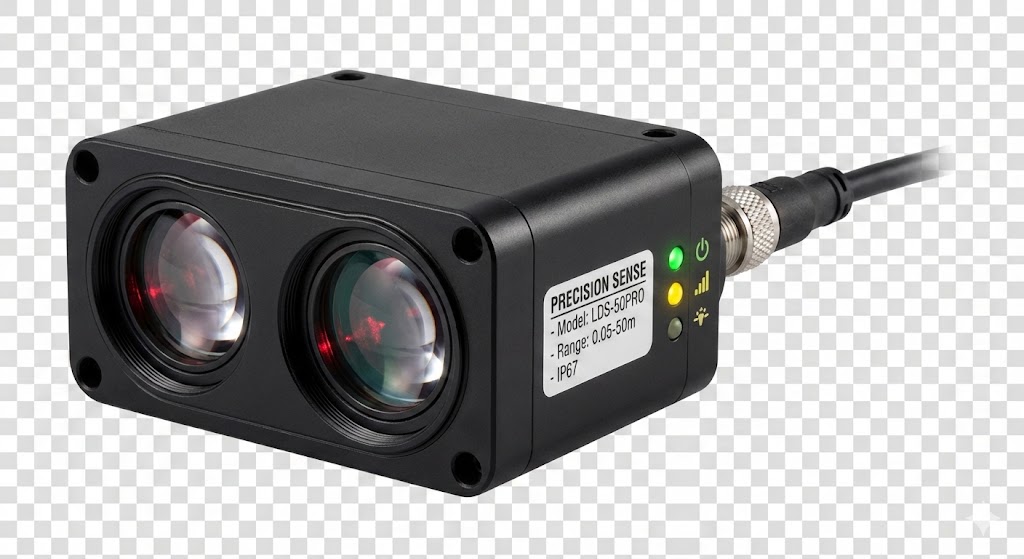
The single greatest factor impacting sensor lifespan is the operating environment. Excessive heat is the enemy of electronic components. Consistently operating a sensor near or above its maximum rated temperature will dramatically accelerate the aging process of the laser diode and internal circuitry, potentially halving its expected life. Conversely, very cold environments can affect performance and mechanical housing. Contaminants such as dust, oil mist, metal shavings, and moisture can coat the sensor's lens, attenuating the laser beam and forcing the internal electronics to work harder to maintain signal integrity. In corrosive atmospheres, the sensor's housing and window material must be carefully selected (e.g., stainless steel, specific plastics) to prevent physical degradation.
The application's duty cycle and stress profile are equally critical. A sensor performing simple presence detection on a slow-moving conveyor experiences less thermal and electrical stress than one used for high-speed edge detection on a cutting line or precise distance measurement on a vibrating machine. Frequent power cycling (turning on/off) can induce thermal stress on components. Furthermore, mechanical factors like shock and vibration, common in heavy machinery, can loosen internal connections, misalign optical elements, or eventually cause housing failure, even if the core electronics remain functional.
Proper installation and maintenance are the most significant variables under user control. Ensuring correct mounting, alignment, and electrical connections as per the manufacturer's manual prevents premature failure. Regular, scheduled maintenance is paramount. This involves cleaning the lens with appropriate materials (e.g., lint-free cloth, approved solvents) to maintain optical clarity, checking for physical damage to the housing or cable, and verifying performance against a known standard. Many modern laser sensors feature built-in diagnostics or output signals that indicate declining performance or lens contamination, allowing for proactive maintenance before a complete failure occurs.
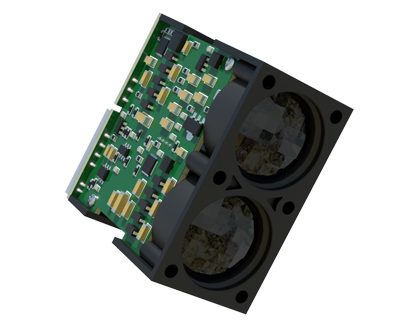
When comparing products, it is essential to scrutinize the manufacturer's specifications. Look for metrics like Mean Time Between Failures (MTBF), which provides a statistical prediction of reliability. A higher MTBF rating generally indicates a more robust design. Warranty periods also offer insight into the manufacturer's confidence in their product's durability. Investing in a sensor with an IP67 or IP69K rating for dust and water resistance, a wide operating temperature range, and a robust metal housing will inherently have a longer potential lifespan in harsh conditions than a basic model.
In conclusion, while the theoretical lifespan of a laser sensor's core components can be exceptionally long, the practical service life is dictated by environmental, operational, and maintenance factors. There is no universal expiration date. By selecting the right sensor for the application, installing it correctly, operating it within its specified limits, and implementing a diligent preventive maintenance schedule, users can maximize the return on their investment and ensure reliable operation for many years, often extending the functional lifespan well beyond a decade in suitable applications. Ultimately, treating the laser sensor as a critical system component worthy of care will yield the longest and most reliable service.