In the realm of industrial automation and control systems, the reliable detection of objects without physical contact is paramount. Proximity switches, often simply called proximity sensors, serve as the cornerstone for this critical function. As an electrical engineer, understanding their operational principles, types, and application nuances is essential for designing robust and efficient systems. This article delves into the technical aspects of using proximity switches as sensors, providing a detailed overview for industry professionals.
At its core, a proximity switch is a non-contact sensor that detects the presence or absence of a target object within its sensing range. It operates by emitting an electromagnetic field, light beam, or ultrasonic waves and then monitoring for changes in the return signal or field. When a target enters this field, it causes a detectable alteration, triggering the switch's output state to change. This output is typically a solid-state switch (PNP or NPN) or a relay contact, seamlessly integrating with Programmable Logic Controllers (PLCs), motor starters, and other control circuitry.
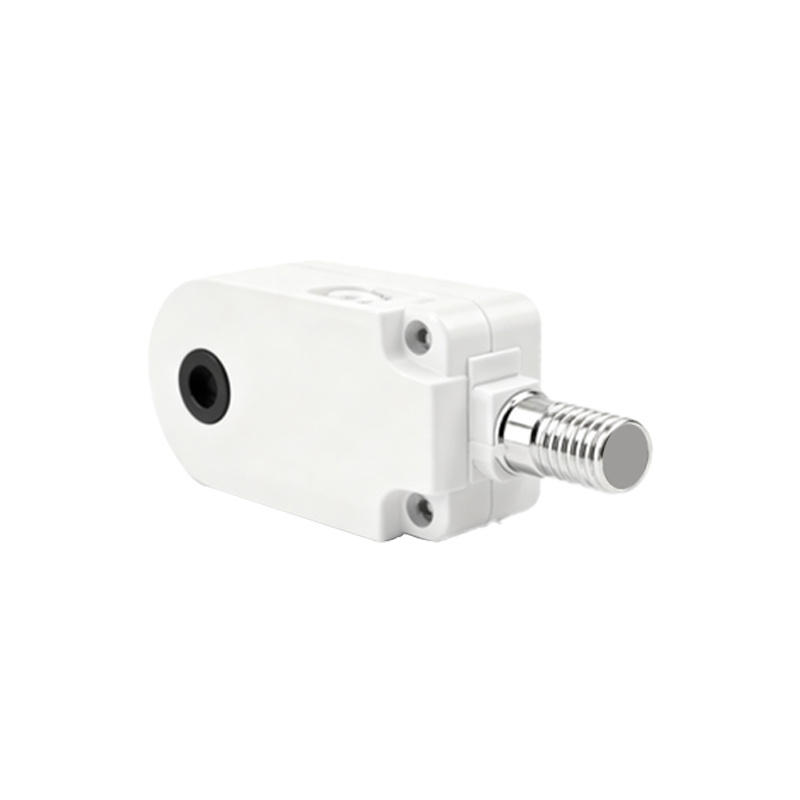
The primary categories of proximity switches are defined by their underlying sensing technology, each suited to specific materials and environmental conditions.
Inductive Proximity Sensors: These are the workhorses of metal detection. They generate an oscillating electromagnetic field. When a conductive metal target enters this field, eddy currents are induced on the target's surface, which dampens the oscillator's amplitude. This damping is detected by the sensor's circuitry, prompting an output change. Inductive sensors are ideal for detecting ferrous and non-ferrous metals but are ineffective for non-metallic materials. They are renowned for their durability, high switching frequency, and resistance to environmental contaminants like dust, oil, and coolant.
Capacitive Proximity Sensors: These sensors can detect both metallic and non-metallic materials, including liquids, plastics, glass, and wood. They function by generating an electrostatic field. Any object with a dielectric constant different from air will alter the capacitance of the sensing circuit when it approaches the active face. This change in capacitance is measured and used to switch the output. Capacitive sensors are perfect for level detection of liquids or granular materials, but they can be more susceptible to environmental factors like humidity and require careful calibration to avoid false triggers from non-target materials.
Photoelectric Sensors: While sometimes categorized separately, photoelectric switches are a vital form of proximity sensing. They operate by emitting a beam of light (visible red, infrared, or laser) and detecting its reflection or interruption. The three main modes are through-beam (separate emitter and receiver), retro-reflective (uses a reflector), and diffuse (reflects off the target itself). Photoelectric sensors offer very long sensing ranges and can detect virtually any object, regardless of material. However, their performance can be compromised by opaque dust, steam, or highly reflective surfaces.
Ultrasonic Sensors: These sensors use high-frequency sound waves beyond human hearing. They measure the time taken for an emitted sound pulse to reflect off a target and return to the receiver. This time-of-flight principle allows for precise distance measurement and presence detection. Ultrasonic sensors are excellent for detecting clear objects (like glass), liquids, and irregularly shaped items, and they are largely unaffected by color, transparency, or dust. Their limitations include a slower response time and potential interference from temperature gradients or strong air currents.
Key selection parameters for an electrical engineer include:
Sensing Distance: The nominal operating distance. A safety factor (typically 70-80% of nominal) is applied in design.
Output Configuration: PNP (sourcing) or NPN (sinking) transistor outputs, complementary outputs, or analog outputs (4-20mA, 0-10V) for distance proportionality.
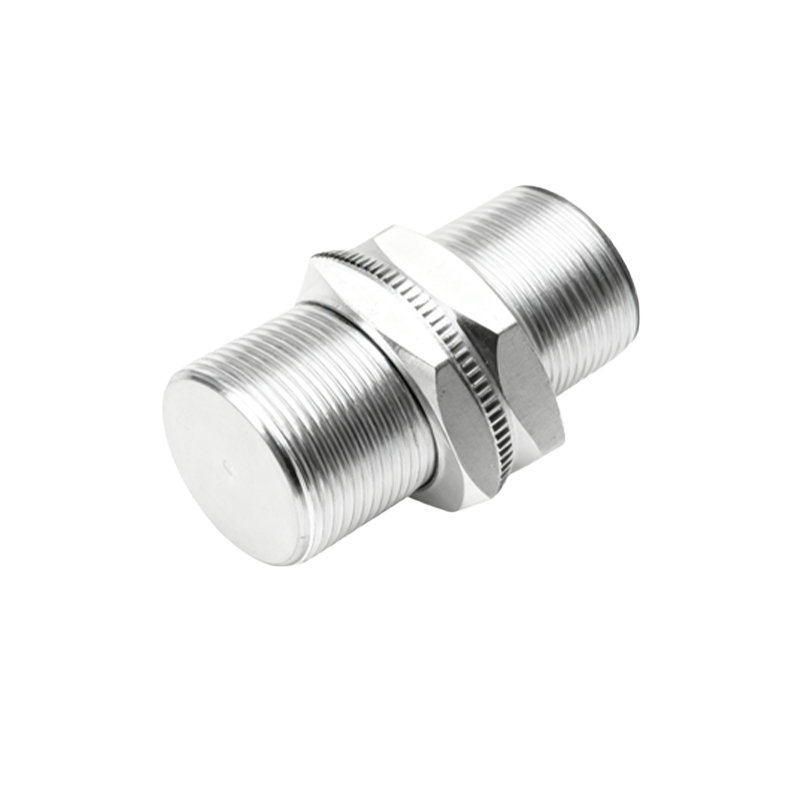
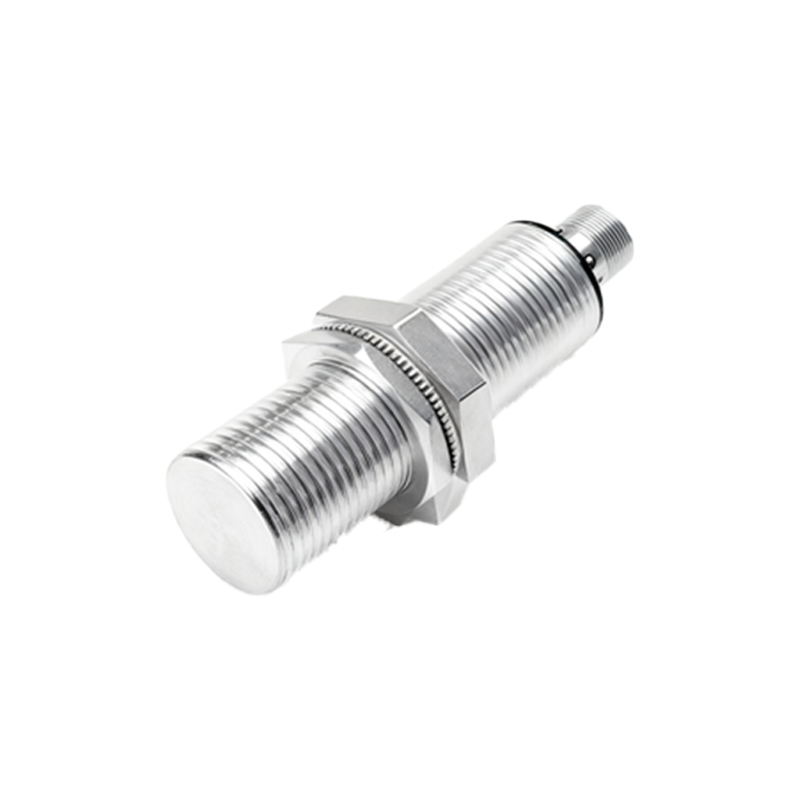
Housing and Form Factor: Cylindrical (threaded barrel) or rectangular shapes, with various materials like nickel-plated brass or stainless steel for harsh environments.
Environmental Ratings: Ingress Protection (IP) ratings (e.g., IP67 for dust and temporary immersion) and NEMA ratings are critical for longevity.
Switching Frequency: The maximum number of on/off cycles per second, crucial for high-speed applications.
In application, proximity switches are ubiquitous. They provide precise position feedback for cylinders in pneumatic systems, act as limit switches on automated guided vehicles (AGVs), ensure correct part positioning in assembly machines, and monitor rotational speed by detecting gear teeth or encoder marks. Their solid-state design ensures a long operational life with no mechanical wear, unlike traditional limit switches.
For successful implementation, engineers must consider installation nuances. Maintaining proper clearance around the sensor face (to prevent side-metal interference), using correct shielding (shielded vs. unshielded models), and adhering to wiring standards per the datasheet are non-negotiable. Electromagnetic compatibility (EMC)