In modern industrial environments, laser sensors have become indispensable components for precision measurement, object detection, and quality control. However, the accumulation of dust, debris, and contaminants on sensor surfaces poses a significant challenge, leading to reduced accuracy, signal attenuation, and potential system failures. Automatic dust removal technology has emerged as a critical solution to maintain optimal sensor performance and ensure operational reliability. This article explores the principles, methods, and benefits of automated dust removal systems for laser sensors, tailored for industrial applications.
Laser sensors operate by emitting a focused beam of light and analyzing the reflected signal to determine distance, position, or surface characteristics. Even minor obstructions, such as dust particles or oily residues, can scatter or absorb the laser beam, resulting in measurement errors. In harsh settings like manufacturing plants, mining operations, or outdoor installations, environmental factors exacerbate contamination risks. Traditional manual cleaning methods are often impractical due to continuous operation requirements, safety concerns, and accessibility issues. Consequently, automated dust removal systems have gained prominence as a proactive maintenance strategy.
Several automated dust removal techniques are employed based on sensor design and environmental conditions. One common approach involves integrated air purging systems, which utilize compressed air or inert gases to create a constant airflow across the sensor lens. This method forms a protective barrier that prevents dust settlement and blows away existing particles. For instance, in welding or machining applications, air purging units are configured with filters to ensure clean, dry air supply, preventing moisture-induced corrosion. Another technique incorporates mechanical wipers or brushes that periodically sweep the sensor surface. These wipers, often made from soft materials like silicone to avoid lens scratching, are activated by programmable logic controllers (PLC) based on time intervals or contamination thresholds detected by the sensor itself.
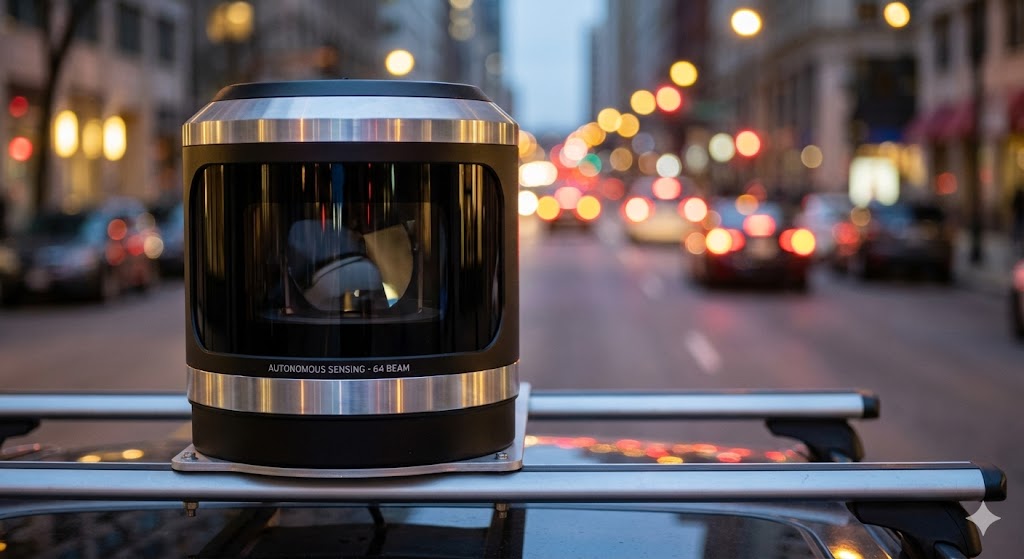
Advanced systems leverage electrostatic or ultrasonic cleaning mechanisms. Electrostatic cleaners apply a controlled charge to repel dust particles, similar to principles used in electronic air filters. Ultrasonic cleaners, on the other hand, generate high-frequency vibrations to dislodge contaminants without physical contact. These methods are particularly effective for sensitive optical components where mechanical contact might cause damage. Additionally, some laser sensors feature sealed enclosures with transparent protective windows that can be cleaned separately, reducing direct exposure of the core optics.
The implementation of automatic dust removal offers substantial benefits. First, it enhances measurement accuracy and consistency, which is crucial for applications like robotic guidance, assembly line monitoring, or thickness gauging. By maintaining a clear optical path, sensors deliver reliable data, minimizing production errors and waste. Second, it extends the operational lifespan of sensors by preventing abrasive damage from accumulated particles. This reduces downtime and maintenance costs, as frequent manual interventions are eliminated. Third, automated systems improve safety in hazardous areas by enabling remote maintenance, reducing human exposure to dangerous machinery or toxic environments.
Integration with Industry 4.0 frameworks further amplifies these advantages. Smart dust removal systems can be connected to industrial IoT networks, allowing real-time monitoring of sensor cleanliness and performance metrics. Predictive algorithms analyze data trends to schedule cleaning cycles optimally, conserving energy and resources. For example, if a sensor in a dusty conveyor system shows gradual signal decline, the system can trigger a cleaning cycle before critical failure occurs. This proactive approach aligns with preventive maintenance philosophies, boosting overall equipment effectiveness (OEE).

When selecting an automatic dust removal solution, engineers must consider factors such as sensor type, environmental severity, and cost-effectiveness. Air purging systems are suitable for high-dust environments but require compressed air infrastructure. Mechanical wipers offer simplicity but may need periodic replacement. Ultrasonic or electrostatic options provide non-contact cleaning but involve higher initial investment. Compatibility with existing control systems and ease of installation are also key decision criteria.

In conclusion, automatic dust removal technology is a vital enabler for laser sensor reliability in industrial settings. By adopting automated cleaning methods, companies can safeguard precision, reduce maintenance burdens, and enhance productivity. As industries evolve toward greater automation and data-driven operations, investing in robust dust mitigation strategies will remain essential for sustaining competitive advantage and operational excellence.