In the realm of industrial automation and control systems, proximity sensors are indispensable components for non-contact detection. Among the diverse form factors available, the square metal proximity switch sensor stands out for its robust construction, versatile mounting options, and reliable performance in demanding environments. This article delves into the design principles, operational characteristics, key applications, and critical selection criteria for these essential devices.
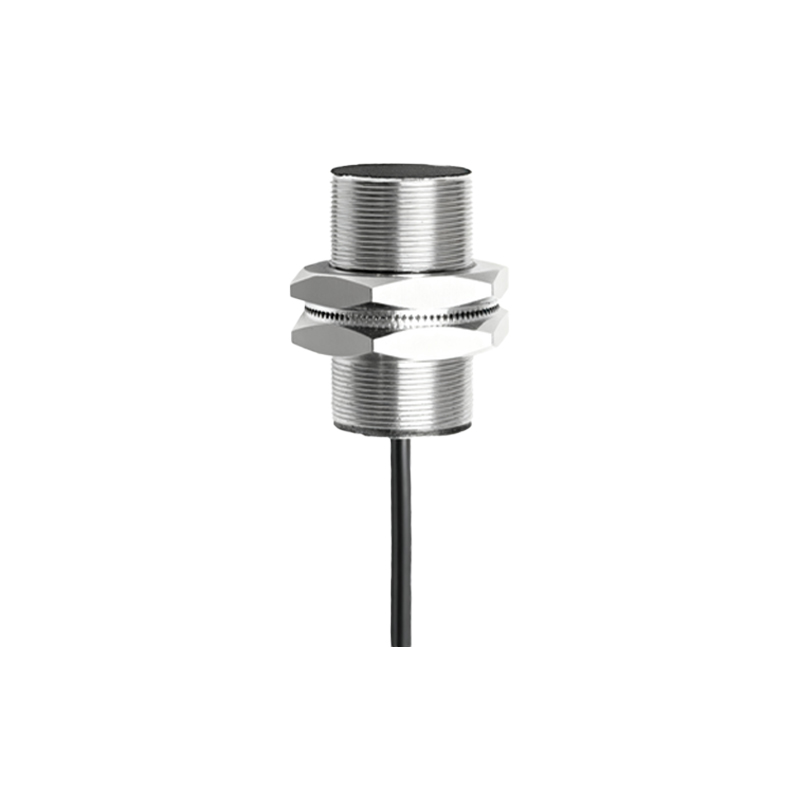
The fundamental operating principle of a square metal proximity sensor is based on electromagnetic induction or, more commonly for metal targets, the eddy current principle. The sensor contains an oscillator circuit that generates a high-frequency electromagnetic field at its active face. When a conductive metal target enters this field, eddy currents are induced on the target's surface. This causes a change in the oscillation amplitude or frequency within the sensor. An evaluation circuit detects this change and triggers a solid-state output switch, typically in the form of a PNP or NPN transistor. The square housing, usually constructed from nickel-plated brass, stainless steel, or other robust alloys, provides excellent mechanical strength and shielding against electromagnetic interference (EMI). This shielding is crucial in environments with high electrical noise from motors, welders, or variable frequency drives.
One of the primary advantages of the square form factor is its ease of installation and alignment. The flat sides allow for straightforward mounting in machined slots or against flat surfaces, often using standard brackets. Many models feature multiple mounting holes or through-holes, providing flexibility for various industrial setups. The sensing face is typically located on one of the larger flat surfaces, and the square shape helps in visually aligning the sensor perpendicular to the target's path, which is optimal for achieving the rated sensing distance. The rated operating distance, or "Sn," is a key specification and is standardized (e.g., 2mm, 4mm, 8mm). It is important to note that this nominal distance is defined for a standard target of mild steel. Factors such as target material, size, and temperature can affect the actual sensing range. For instance, sensing distances for stainless steel or aluminum are often reduced compared to mild steel.
Square metal proximity sensors are predominantly used in applications requiring durability and precision. Common use cases include:
Position Sensing and End-of-Travel Detection: Verifying the open/closed status of valves, doors, or robotic arm positions.
Object Counting and Presence Detection: On conveyor lines for counting metal parts, bottles with metal caps, or pallets.
Machine Tool Control: Monitoring tool presence, workpiece positioning, and spindle orientation in CNC machining centers and lathes.
Material Handling Systems: Detecting the presence of metal racks, lifts, and automated guided vehicles (AGVs).
Packaging Machinery: Ensuring proper positioning of metal components or foil-sealed packages.
When selecting a square metal proximity switch sensor, several parameters must be carefully considered:
1. Sensing Distance: Choose an Sn value with a 20-30% safety margin to account for mechanical tolerances and target variations.
2. Output Type: PNP (sourcing) or NNP (sinking) transistor outputs must match the input requirements of the connected controller (PLC, relay). Some sensors offer analog (4-20mA, 0-10V) or IO-Link outputs for advanced diagnostics and parameterization.
3. Supply Voltage: Common DC ranges are 10-30V DC or 20-250V AC/DC for universal models. Ensure compatibility with the plant's power system.
4. Material and Housing Class: For harsh environments with coolants, oils, or washdowns, specify sensors with high IP ratings (e.g., IP67, IP69K) and corrosion-resistant housing materials like V4A (AISI 316) stainless steel.
5. Temperature Range: Industrial sensors must operate reliably within the ambient temperature range of the application, which can span from -25°C to +70°C or beyond.
6. Connection Method: Options include pre-wired cables, quick-disconnect (M8, M12) connectors, or terminal chambers.
Installation best practices are vital for optimal performance. Maintain the specified lateral and axial spacing between multiple sensors to prevent mutual interference. Ensure the target material, size (should be equal to or larger than the sensor face), and approach direction meet the sensor's specifications. Always refer to the manufacturer's datasheet for detailed mounting instructions, electrical connection diagrams, and derating curves for non-standard conditions.
In conclusion, the square metal proximity switch sensor is a workhorse of industrial sensing. Its durable metal housing, precise sensing capabilities, and versatile mounting design make it a preferred choice for countless automation tasks. A thorough understanding of its operating principles, coupled with careful selection based on application-specific requirements, ensures reliable integration and