In the intricate world of industrial automation and machinery, proximity sensors stand as silent sentinels, enabling precise, non-contact detection of objects. These devices are fundamental to countless processes, from assembly line sequencing and robotic guidance to safety interlocks and inventory management. Unlike mechanical limit switches, proximity sensors operate without physical contact, offering superior reliability, longevity, and speed. This article delves into the core principles, primary types, key applications, and critical selection factors for these indispensable components.
At its heart, a proximity sensor detects the presence or absence of a target object within a specified range. It does so by emitting an electromagnetic field, beam, or ultrasonic waves and then monitoring for changes in the return signal or field. The absence of physical contact eliminates issues like wear and tear, making them ideal for harsh environments with dust, oil, or high-cycle operations.
Several primary technologies dominate the proximity sensor landscape, each with distinct operating principles and ideal use cases.
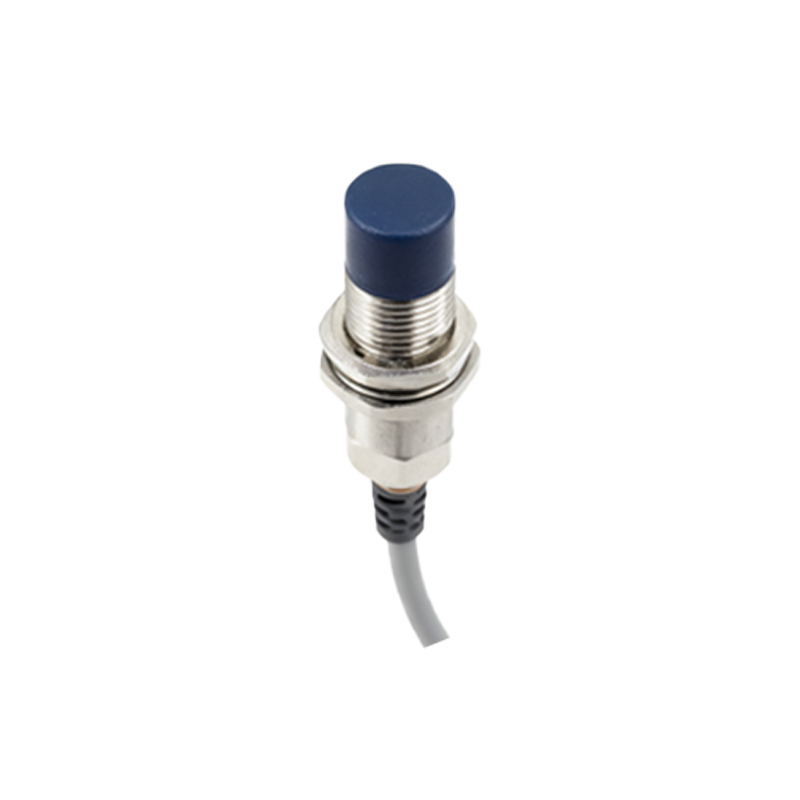
Inductive Proximity Sensors: These are the workhorses of metal detection. They generate an oscillating electromagnetic field. When a metallic target enters this field, it induces eddy currents, which dampen the oscillation. The sensor's circuitry detects this damping and triggers a switching output. Inductive sensors are renowned for their robustness, high switching frequency, and immunity to environmental contaminants like dirt or liquids. They are predominantly used for detecting ferrous and non-ferrous metals, finding applications in machine tools, automotive manufacturing, and conveyor systems.
Capacitive Proximity Sensors: These sensors can detect both metallic and non-metallic materials, including liquids, plastics, glass, and wood. They function by generating an electrostatic field. Any object with a dielectric constant different from air will alter the capacitance of this field, which the sensor detects. This makes them versatile for tasks like liquid level sensing, material presence detection on non-metallic conveyors, or detecting filled vs. empty containers. However, they can be more susceptible to environmental factors like humidity.
Ultrasonic Proximity Sensors: Operating on a sonar-like principle, these sensors emit high-frequency sound waves and measure the time taken for the echo to return. This allows them not only to detect presence but also to measure distance. They are effective for detecting objects of virtually any material, shape, or color, and perform well in challenging environments with dust, smoke, or light interference. Common applications include pallet detection, loop control, and distance measurement in automated storage and retrieval systems.
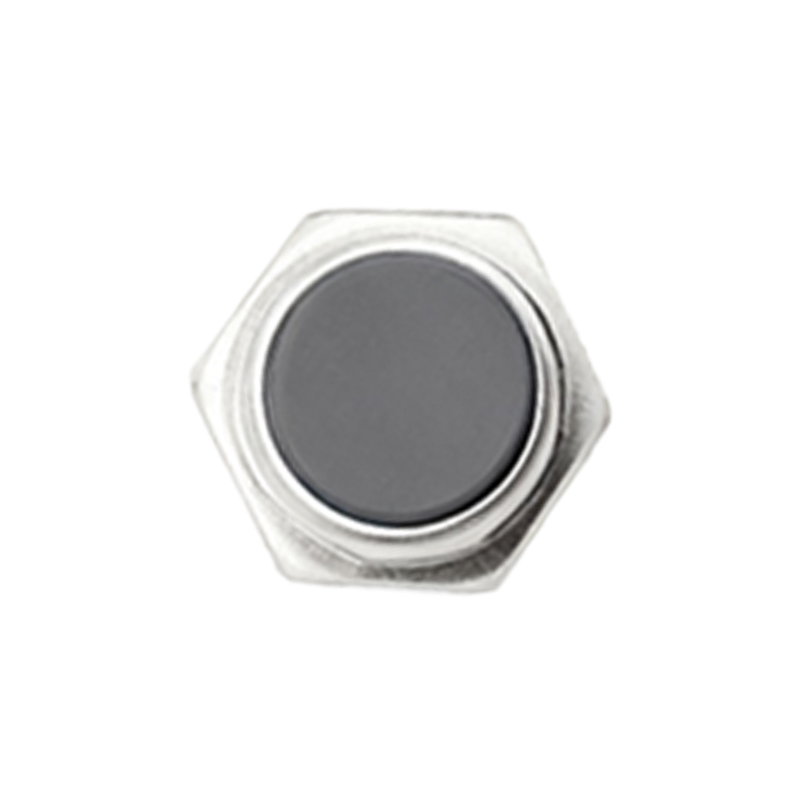
Photoelectric Sensors: While often categorized separately, they serve a core proximity detection function. They consist of a light emitter (usually LED) and a receiver. The presence of an object is detected by either interrupting the light beam (through-beam), reflecting light back to the receiver (retro-reflective), or diffusing light from the object itself (diffuse reflective). Photoelectric sensors offer very long sensing ranges and can detect tiny objects, but their performance can be affected by the target's color, reflectivity, and ambient light conditions.
Selecting the right proximity sensor requires a careful analysis of the application parameters. Key considerations include:
1. Target Material: The object's composition is paramount. For metals, inductive sensors are typically the first choice. For non-metals, capacitive or ultrasonic sensors are necessary.
2. Sensing Distance: The required nominal sensing range and any necessary safety margin. It is crucial to note that the rated sensing distance is defined for a standard target; actual performance may vary with material and size.
3. Output Type: Digital outputs (PNP/NPN) are standard for simple on/off detection. Analog outputs (4-20 mA, 0-10V) are used for continuous distance measurement. Some sensors offer IO-Link for advanced diagnostics and parameterization.
4. Environmental Conditions: Factors such as temperature extremes, presence of chemicals, washdown requirements (IP rating), and electrical noise must be accounted for. Inductive sensors excel in dirty, oily environments.
5. Mounting and Size: Space constraints often dictate the sensor's housing style (e.g., cylindrical, rectangular) and threading.
6. Response Time and Switching Frequency: For high-speed applications, such as counting small parts on a fast conveyor, a sensor with a very high switching frequency is essential.
In conclusion, proximity sensors are critical enablers of modern industrial efficiency and safety. From the simple inductive sensor counting metal gears to a sophisticated ultrasonic sensor guiding a robotic arm, the correct selection and application of these devices directly impact system performance, uptime, and cost-effectiveness. A thorough understanding of their operating principles and a methodical approach to selection, considering all environmental and target-specific variables, is the hallmark of effective electrical and automation engineering. As Industry 4.0 advances, the integration of smart sensors with