In the realm of industrial automation and control systems, the proximity switch stands as a fundamental sensor, silently enabling countless operations from object detection to position verification. Selecting the correct proximity switch is not merely a technical specification check; it is a critical engineering decision that directly impacts system reliability, safety, and cost-effectiveness. This article outlines the core principles guiding this selection process, ensuring optimal performance in diverse industrial environments.
The first and foremost principle is to define the application requirements with precision. What is the target material? This is paramount. Inductive proximity switches are designed to detect ferrous metals (like steel and iron) and, to a lesser extent, non-ferrous metals (like aluminum, copper). Capacitive switches, on the other hand, can detect a wide range of materials including metals, plastics, wood, glass, and even liquids. For detecting transparent or highly reflective objects, photoelectric sensors might be a more suitable choice, though they fall under a different category. Next, consider the required sensing distance. The rated operating distance (Sn) specified by manufacturers is defined for a standard target (usually mild steel for inductive types). This distance must be derated for other materials (e.g., aluminum typically reduces the sensing distance for an inductive sensor by approximately 40-50%). Always select a sensor with a nominal sensing distance 20-30% greater than the actual application requires to account for environmental factors like temperature fluctuations, voltage tolerances, and part tolerances.
The second principle revolves around the sensor's construction and output configuration. The housing material must withstand the operational environment. Common choices include nickel-plated brass, stainless steel (V2A/AISI 304 or V4A/AISI 316 for corrosive settings), and PBT or PVDF plastics for chemical resistance. The ingress protection (IP) rating is crucial. A rating of IP67 is standard for washdown environments, while IP69K is required for high-pressure, high-temperature cleaning. The output type must match the control system. Two-wire AC/DC sensors simplify wiring but have a residual leakage current. Three-wire DC sensors (PNP-sourcing or NPN-sinking) are the most common, offering clear switching characteristics. The choice between PNP and NPN depends on the PLC input module's configuration. For switching speeds, consider the sensor's response frequency. High-speed applications, such as counting small parts on a fast conveyor, require sensors with frequencies in the kilohertz range.
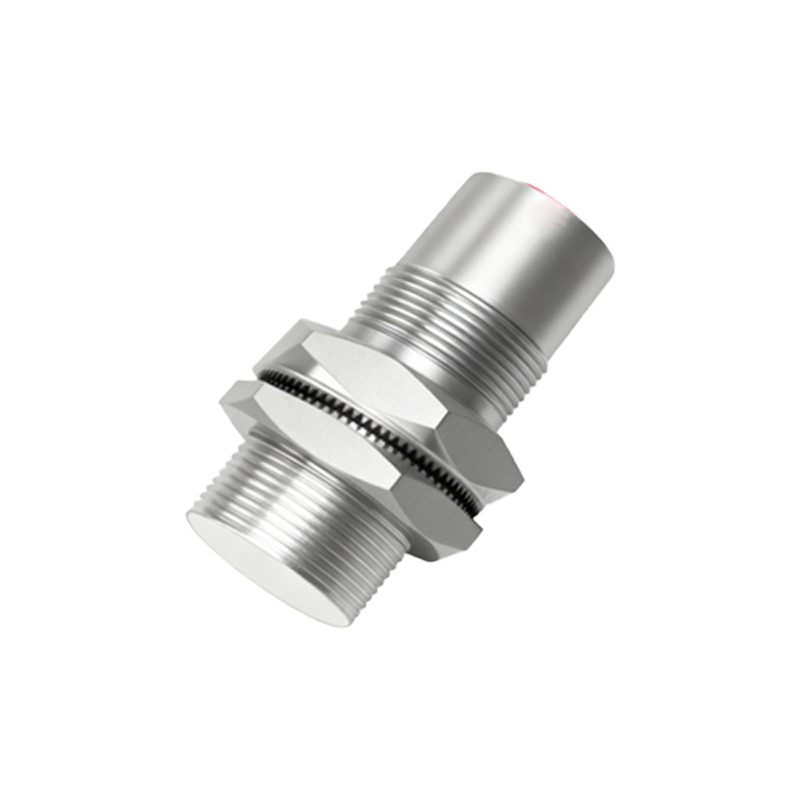
Environmental factors constitute the third critical selection pillar. Operating temperature range must encompass both ambient and process-induced temperatures. Extreme cold or heat can affect sensing distance and electronic stability. Electrical noise from variable frequency drives (VFDs), welding equipment, or large motors can cause false triggering. Selecting sensors with robust shielding, built-in surge protection, and DC models with short-circuit and reverse polarity protection is essential in electrically noisy plants. Mechanical stress is another consideration. Sensors in applications subject to vibration, shock, or potential physical impact require rugged designs, often with epoxy-potted electronics to prevent internal component failure.
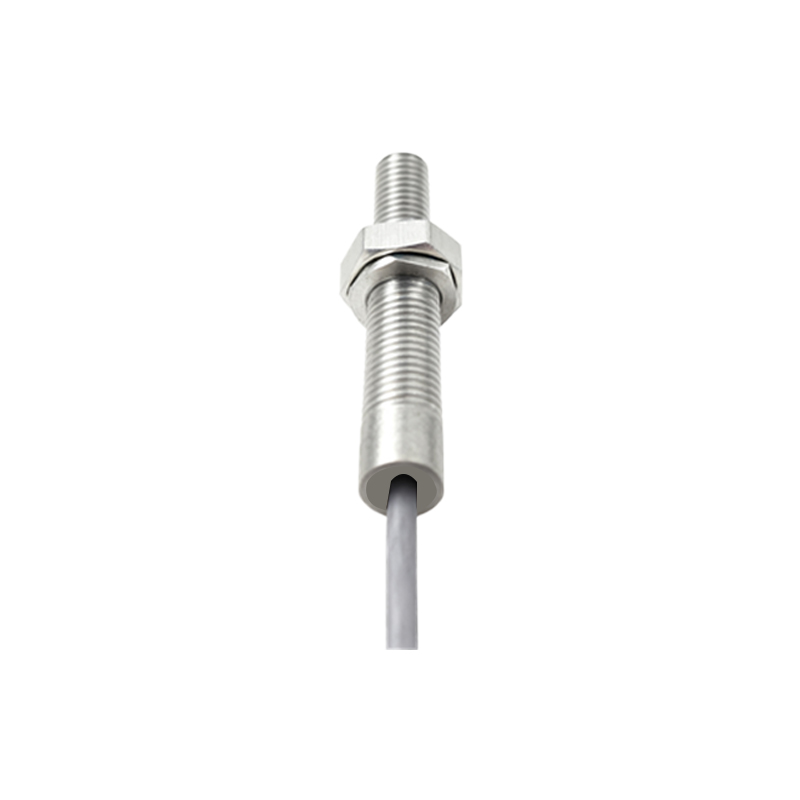
Finally, the principle of integration and compliance cannot be overlooked. The physical size and shape (barrel, rectangular, ring-shaped) must fit the installation space and provide the correct sensing face orientation. Connection methods, such as pre-wired cables or quick-disconnect (M8, M12) connectors, affect maintenance and installation time. Furthermore, compliance with industry standards (e.g., IEC 60947-5-2, UL, CE) is non-negotiable for safety and market acceptance. These standards define performance, testing, and marking requirements, ensuring a baseline of quality and reliability.
In conclusion, a systematic approach to proximity switch selection, rigorously evaluating application needs, environmental conditions, electrical requirements, and mechanical constraints, is the hallmark of proficient engineering. There is no universal "best" sensor, only the most appropriate one for a specific set of conditions. Consulting detailed manufacturer datasheets, application notes, and, when in doubt, engaging with technical support engineers, will bridge the gap between theory and a robust, long-lasting installation. This diligence upfront prevents costly downtime, ensures process integrity, and safeguards both personnel and equipment.