Proximity switch sensors are indispensable components in modern industrial automation, particularly for monitoring the position of hydraulic and pneumatic cylinders. These non-contact sensors reliably detect the presence of a cylinder's piston or target, providing critical feedback to control systems. However, like all electromechanical devices, cylinder proximity sensors are susceptible to various faults that can lead to machine downtime, production losses, and potential safety hazards. Understanding common failure modes and implementing systematic troubleshooting is essential for maintenance engineers and technicians.
One of the most prevalent issues is complete sensor failure or lack of output signal. This can stem from several root causes. Electrical supply problems are primary suspects; a voltage outside the sensor's specified range, incorrect wiring, or a blown fuse will prevent operation. Internally, the oscillator or output circuit within the sensor may fail due to component aging, thermal stress, or voltage spikes. Physical damage is another common culprit. Cylinders operate in harsh environments where sensors are exposed to mechanical impact from misaligned targets, flying debris, or excessive vibration. This can crack the sensor housing, damage the sensing face, or break internal solder joints. Corrosion from coolants, oils, or washdown procedures can also degrade the housing and eventually penetrate the electronics.
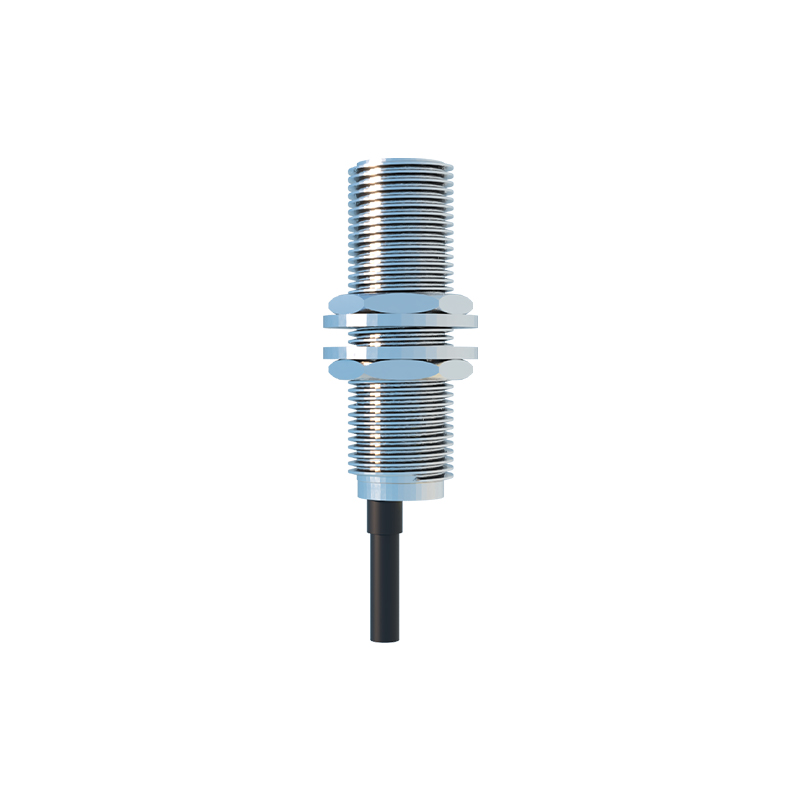
Intermittent operation or unreliable sensing presents a more challenging diagnostic scenario. This often manifests as the sensor sporadically detecting or failing to detect the target. A frequent cause is variation in the sensing distance. Over time, the mounting bracket may loosen, or mechanical wear on the cylinder or target can change the air gap between the sensor and the target. The sensor may have been initially installed at its maximum sensing range, leaving no margin for such drift. Environmental interference is a major factor for inductive proximity sensors. The presence of metal chips, filings, or other conductive materials near the sensing area can cause false triggering. Similarly, electromagnetic interference (EMI) from nearby motors, variable frequency drives (VFDs), or welding equipment can induce noise in the sensor's signal or power lines, leading to erratic behavior.
For sensors that appear to be permanently "on" or "off," the problem may lie with the target itself. The wrong target material (e.g., using a non-ferrous metal with a standard inductive sensor), a target that is too small, or a heavily worn or missing target will prevent proper actuation. Incorrect sensor selection for the application is a foundational error. Using a standard inductive sensor to detect a non-metallic piston, or selecting a sensor with an inadequate switching frequency for a high-speed cylinder, guarantees failure. Temperature extremes can also push a sensor beyond its rated operating specifications, causing thermal shutdown or permanent damage.
Effective troubleshooting requires a logical, step-by-step approach. Always begin by ensuring safety: lock out and tag out the machine. Visually inspect the sensor, its mounting, the target, and the wiring for obvious signs of damage, corrosion, or looseness. Verify the electrical supply at the sensor's terminals using a multimeter to confirm correct voltage and polarity. If possible, substitute a known-good sensor of the same type. This is often the quickest way to isolate the fault to the sensor itself. For intermittent faults, monitoring the output with an oscilloscope can reveal noise or signal dropouts not visible on a multimeter. Check for environmental factors like accumulated metal dust, nearby sources of EMI, or recent changes in ambient temperature.
Preventive maintenance is key to maximizing sensor lifespan and reliability. Establish regular inspection schedules to check mounting integrity, clean sensing faces of contaminants, and verify sensing distances. Use sensors with appropriate ingress protection (IP) ratings for the environment—IP67 for washdown areas, for example. Install surge protection devices on power lines in areas prone to electrical noise. Ensure targets are made of the correct material, are securely attached, and are of sufficient size. When installing new sensors, always follow the manufacturer's specifications for mounting distance, tightening torque, and electrical connections, and provide a 10-20% margin on the nominal sensing distance to account for future drift.
In conclusion, while cylinder proximity switch sensors are robust, they are not immune to failure. Most faults can be traced to electrical issues, mechanical damage, environmental factors, or improper selection and installation. A methodical troubleshooting process combined with a proactive maintenance strategy will significantly reduce unplanned downtime and ensure the continued reliability of automated cylinder systems. Investing time in correct sensor selection and installation pays dividends in long-term operational stability.