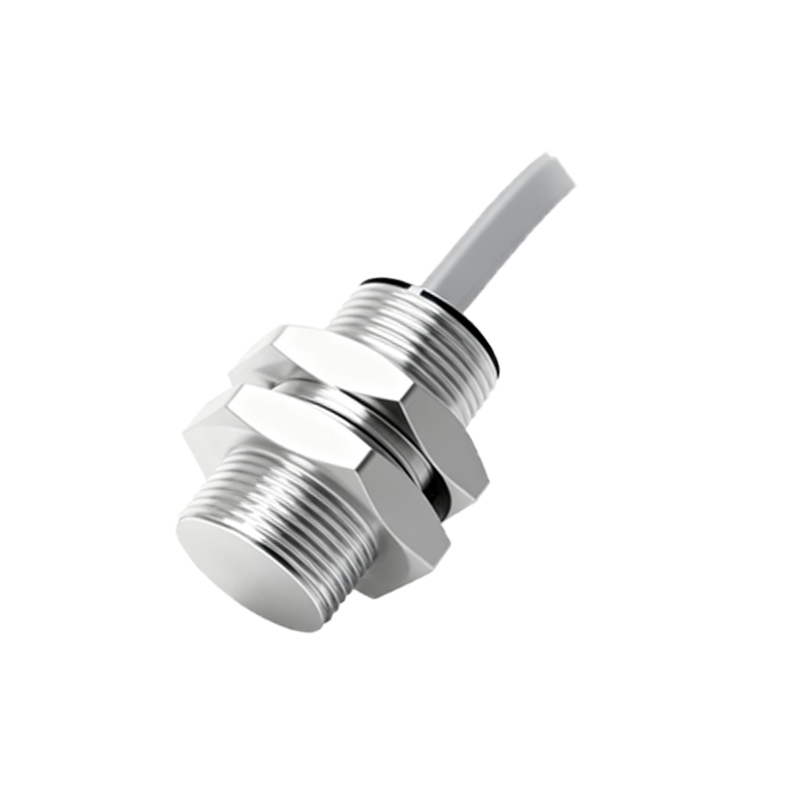
Magnetic proximity sensors, often referred to as reed switches or Hall-effect sensors in their core forms, represent a cornerstone technology in industrial automation and control systems. Their fundamental operation relies on detecting the presence or absence of a magnetic field, typically generated by a permanent magnet. Unlike other sensor types, they offer non-contact detection, meaning they can sense a target without physical touch, leading to exceptional reliability and longevity. This article delves into the working principles, key types, advantages, common applications, and critical factors for selecting the right magnetic sensor for your application.
The principle of operation varies between the two primary technologies. The traditional reed switch consists of two ferromagnetic, flexible metal reeds sealed within a glass tube filled with inert gas. When an external magnetic field of sufficient strength is applied, the reeds become magnetized, attracting each other and making contact to close an electrical circuit. When the magnet moves away, the reels lose their magnetism and spring back to their original open position. This simple, electromechanical design is highly effective for basic on/off switching.
In contrast, solid-state Hall-effect sensors operate on a different physical phenomenon. When a current-carrying conductor (the sensor chip) is placed in a perpendicular magnetic field, a voltage difference, known as the Hall voltage, is generated across the conductor. The sensor's integrated electronics measure this voltage. When the magnetic flux density exceeds a predefined threshold, the sensor's output state changes, either switching a digital output or providing an analog signal proportional to the field strength. This solid-state design offers faster switching speeds, higher durability against vibration, and the ability to measure magnetic field strength.
The advantages of magnetic proximity sensors are numerous. Their non-contact nature eliminates mechanical wear on the sensor itself, granting them an almost infinite operational life in many conditions. They are inherently immune to contaminants like dust, oil, and moisture, especially when properly housed, making them ideal for harsh industrial environments. They can detect targets through non-ferrous materials like aluminum, plastic, or glass, enabling innovative mounting solutions. Furthermore, they are generally simple to install and require minimal maintenance.
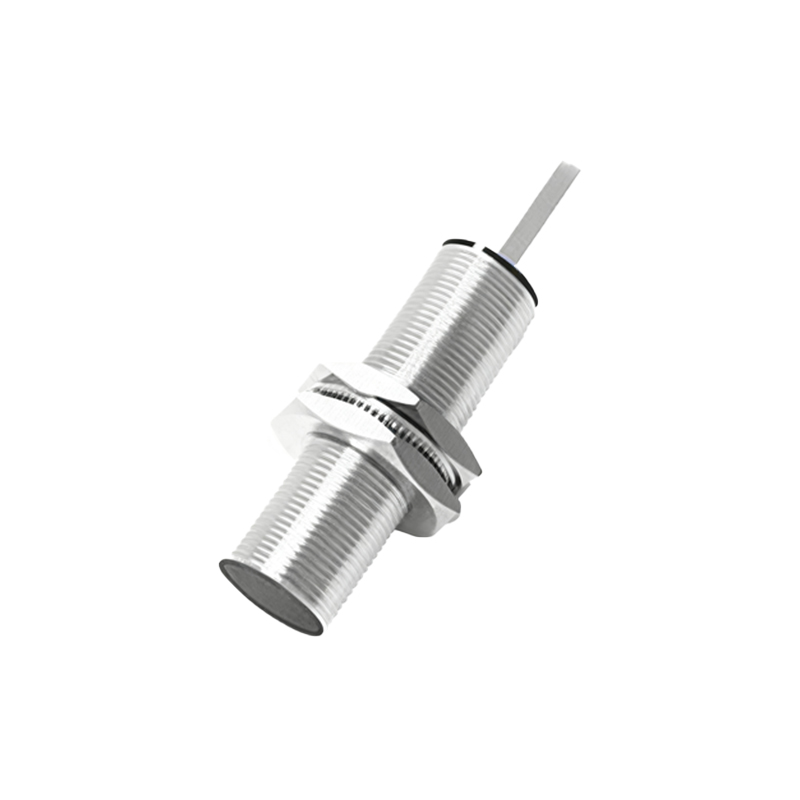
These characteristics make magnetic sensors indispensable across a vast array of industries. In factory automation, they are ubiquitous for position sensing—detecting the open/closed state of pneumatic cylinders, verifying the presence of a part on a conveyor, or serving as end-of-travel limit switches on linear actuators. In the automotive sector, they are used for gearbox speed sensing, brake pedal position detection, and seat belt buckle engagement. Consumer electronics utilize miniature Hall-effect sensors for laptop lid closure detection and smartphone flip covers. Safety systems, such as door and window sensors in security alarms, also rely heavily on this technology. They are even found in white goods, like washing machines, to monitor drum rotation.
Selecting the appropriate magnetic proximity sensor requires careful consideration of several parameters. First, identify the required sensing distance; this is typically shorter than inductive or capacitive sensors and is highly dependent on the magnet's strength and size. The switching frequency, or response time, is critical for high-speed applications, where Hall-effect sensors typically outperform reed switches. Environmental factors are paramount: consider the required ingress protection (IP) rating for dust and water resistance, the operating temperature range, and the potential for exposure to strong external magnetic fields that could cause interference. Electrical characteristics such as supply voltage, output type (PNP/NPN, NO/NC, analog), and current rating must match the control system's requirements. Finally, the mechanical design—housing material, size, connection type (cable or connector), and mounting style—must suit the physical installation constraints.
In conclusion, magnetic proximity sensors provide a robust, reliable, and versatile solution for non-contact position detection. Whether opting for the simplicity and cost-effectiveness of a reed switch or the high performance and durability of a Hall-effect sensor, understanding their core principles and application requirements is key to a successful implementation. By carefully evaluating the operational environment, performance needs, and electrical interfaces, engineers can leverage this mature technology to enhance the efficiency, safety, and reliability of countless automated systems.