Proximity sensors have become an integral component in modern barrier gate systems, playing a crucial role in automation, safety, and traffic management. These non-contact sensing devices detect the presence or absence of an object within a specific range without any physical contact, making them ideal for the demanding environments of parking facilities, toll booths, and secured access points. Their application in barrier gates significantly enhances operational reliability and prevents potential damage to both the gate mechanism and vehicles.
The core function of a proximity sensor in a barrier gate system is to provide precise positional feedback. Typically, inductive or capacitive sensors are employed. Inductive sensors are predominantly used to detect metallic objects, such as the gate arm itself. They are often installed at critical points: one at the fully raised (open) position and another at the fully lowered (closed) position. This configuration allows the control system to confirm the gate arm's exact state, ensuring it stops accurately and does not over-travel, which could strain motors or gearboxes. Capacitive sensors, while less common for metal detection here, can be used to sense non-metallic materials or for presence detection in specific scenarios.
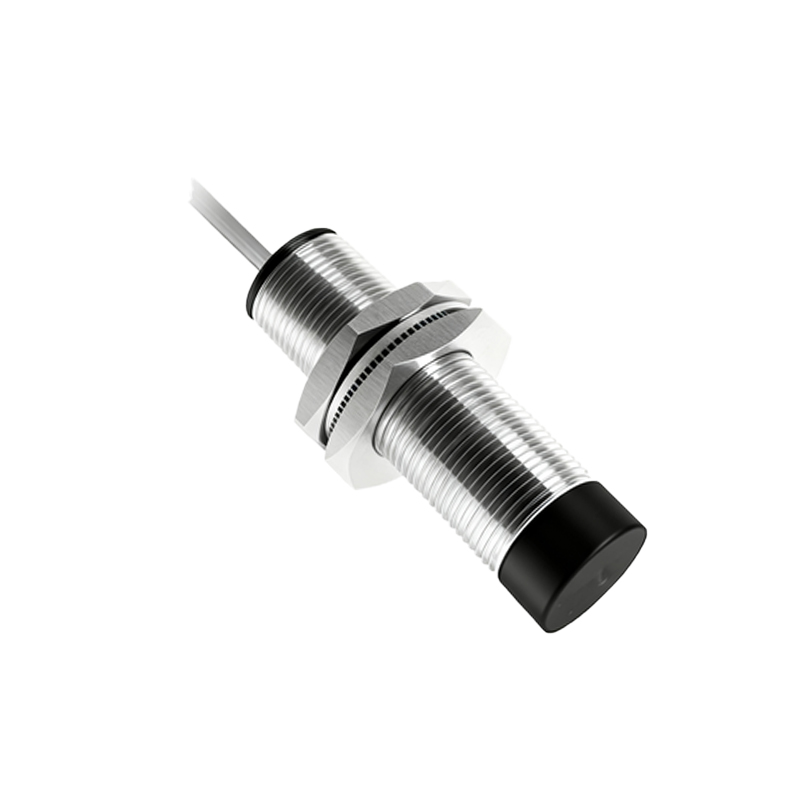
Beyond basic position sensing, advanced systems integrate multiple sensors for comprehensive safety. For instance, a safety loop detector, often using inductive loop technology embedded in the pavement, detects a vehicle's presence in the gate's path. This prevents the gate from closing on a stationary or passing vehicle. Furthermore, additional proximity sensors can be mounted along the gate arm to act as anti-crush devices. If the descending arm encounters an obstacle, such as a vehicle or a person, the sensor triggers an immediate reversal of the gate's motion, thereby preventing injury or property damage. This layered sensing approach is fundamental to meeting international safety standards like IEC 60947-5-2.
The selection criteria for proximity sensors in these applications are stringent. Environmental durability is paramount. Sensors must be rated with high Ingress Protection (IP) codes, such as IP67 or IP69K, to withstand dust, water jets, and wide temperature fluctuations. They must also resist vibrations from constant operation and potential impacts. Long-term reliability and a high switching frequency are essential due to the cyclical nature of gate operations. Manufacturers often opt for sensors with robust housings, typically made from nickel-plated brass or stainless steel, and feature LED status indicators for easy maintenance diagnostics.
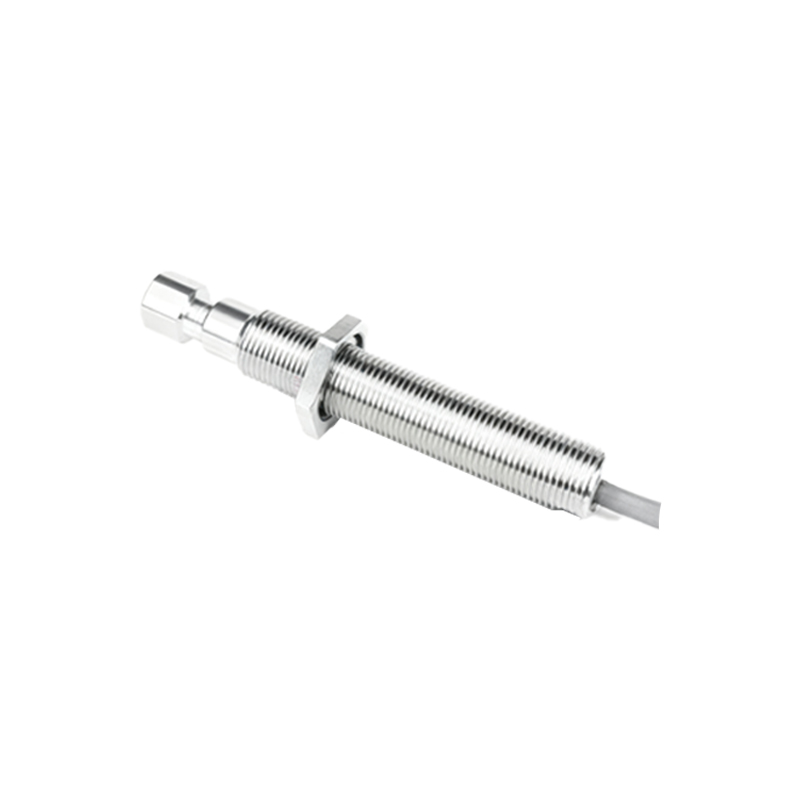
Installation and alignment are critical for optimal performance. Even a slight misalignment can cause false triggers or failure to detect. Sensors should be securely mounted to prevent movement from vibration. The sensing distance, or "snap distance," must be correctly calibrated considering the target material and size. For inductive sensors, the reduction factor for different metals must be accounted for during setup. Regular maintenance checks should include verifying the sensor's mounting stability, cleaning the sensing face from dirt or debris, and testing its response with the control system.
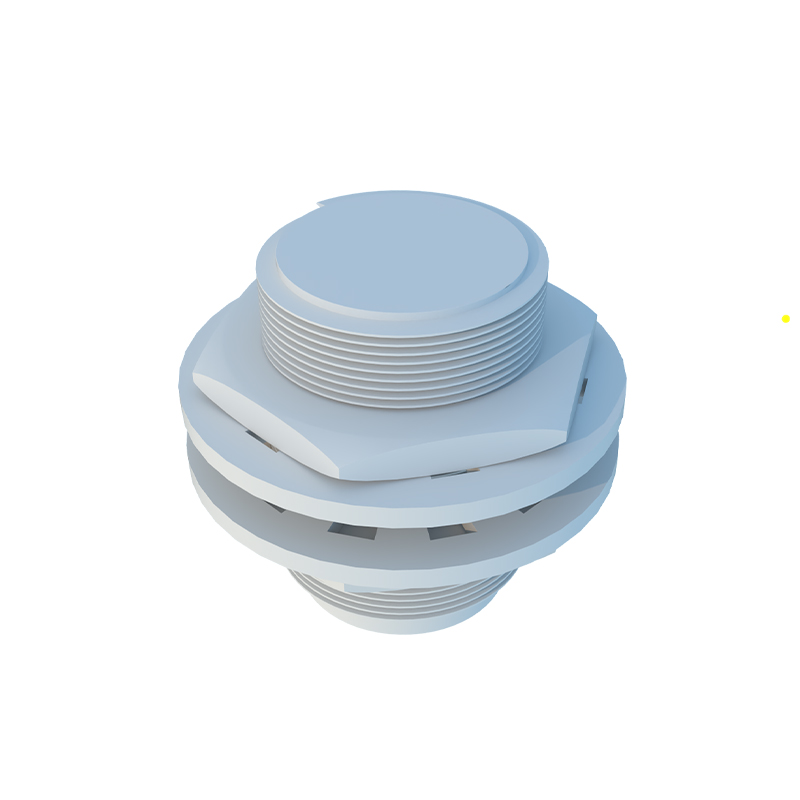
Looking forward, the integration of smart proximity sensors with Industrial Internet of Things (IIoT) platforms is an emerging trend. Sensors with IO-Link communication capability can provide detailed diagnostic data—such as operating hours, temperature readings, and switch cycle counts—to a central management system. This enables predictive maintenance, where potential sensor failures can be anticipated and addressed before causing system downtime. This connectivity transforms the barrier gate from a standalone mechanical device into a data point within a larger smart infrastructure network.
In conclusion, proximity sensors are the silent guardians of barrier gate systems. Their precise detection capabilities ensure smooth, automated operation while their role in safety-critical functions protects assets and users. From ensuring the gate arm stops at the correct position to preventing hazardous closures, these components are vital for building reliable, efficient, and safe access control systems. As technology advances, their integration with digital networks will further elevate the intelligence and resilience of traffic management solutions.