Proximity sensors are indispensable components in modern industrial automation, robotics, and safety systems. Their ability to detect the presence or absence of objects without physical contact ensures reliability, efficiency, and longevity in various applications. To select the appropriate sensor for a specific task, engineers must thoroughly understand its key technical parameters. This article delves into the critical specifications that define proximity sensor performance, providing a comprehensive guide for professionals in the electrical and automation industries.
First and foremost, the sensing range is a fundamental parameter. It refers to the maximum distance at which a sensor can reliably detect a standard target. Typically measured in millimeters or inches, this range varies based on sensor type—inductive, capacitive, ultrasonic, or photoelectric. For instance, inductive sensors, ideal for metal detection, usually offer shorter ranges (e.g., 2–40 mm), while ultrasonic sensors can detect objects several meters away. Engineers must consider the application’s spatial constraints and ensure the sensor’s range accommodates the required detection distance without false triggers.
Another crucial specification is the repeat accuracy, which indicates the sensor’s consistency in detecting an object at the same point under identical conditions. High repeat accuracy, often within micrometers, is vital in precision manufacturing, such as CNC machining or assembly lines, where minor deviations can lead to defects. This parameter is influenced by factors like temperature fluctuations, electrical noise, and target material properties. Selecting sensors with tight tolerance levels minimizes operational errors and enhances process stability.
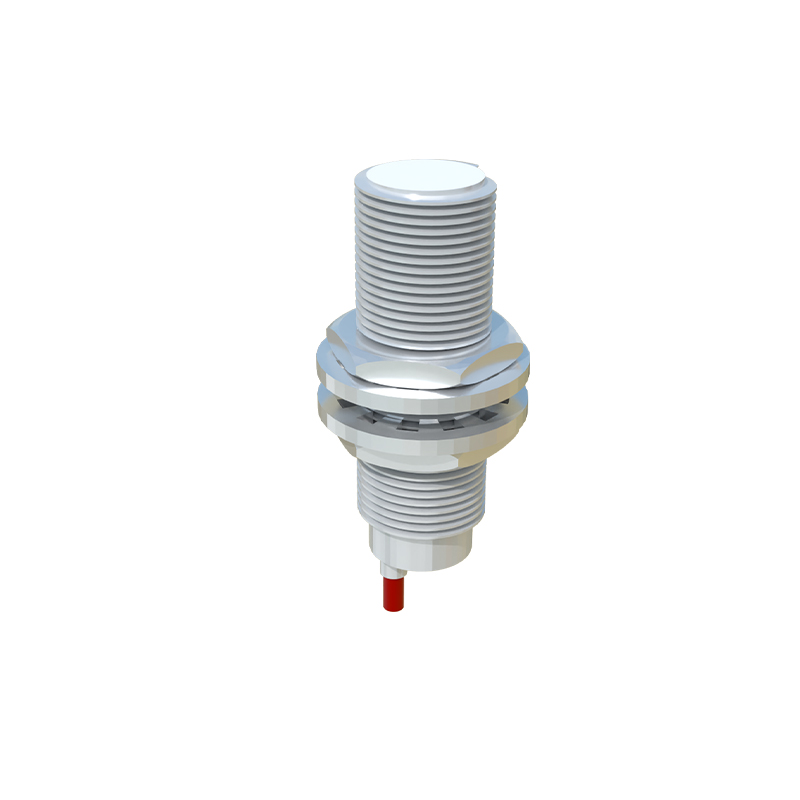
The response time, or switching frequency, defines how quickly a sensor can react to changes in target presence. Measured in Hertz (Hz) or milliseconds (ms), it determines the maximum speed at which objects can pass the sensor without missed detections. In high-speed applications like packaging or conveyor systems, a fast response time (e.g., 0.1 ms) is essential to maintain throughput. Engineers should match this parameter with the system’s cycle time to avoid bottlenecks and ensure seamless automation.
Environmental resistance is equally important, encompassing parameters like temperature range, ingress protection (IP) rating, and resistance to shock or vibration. Proximity sensors often operate in harsh conditions—exposed to moisture, dust, chemicals, or extreme temperatures. An IP67-rated sensor, for example, is dust-tight and can withstand temporary immersion, making it suitable for outdoor or washdown environments. Additionally, sensors with wide operating temperature ranges (e.g., –25°C to 70°C) ensure reliability in diverse settings, from frozen warehouses to heated industrial ovens.
Electrical characteristics, including supply voltage, output type, and load current, directly impact integration with control systems. Most proximity sensors operate on DC (10–30 V) or AC (90–250 V) power, with outputs configured as NPN (sinking) or PNP (sourcing) for compatibility with PLCs or microcontrollers. The load current rating specifies the maximum current the sensor can switch, influencing its ability to drive relays, lamps, or other actuators. Overlooking these specs can lead to circuit damage or operational failures, so careful alignment with the system’s electrical design is mandatory.
Finally, material and construction details, such as housing material (e.g., stainless steel, plastic) and sensing face design, affect durability and detection performance. In corrosive environments, stainless steel housings prevent degradation, while non-metallic sensors avoid interference in sensitive electronic areas. Some sensors feature flush-mounting capabilities, allowing installation without dead zones, which is critical in space-limited applications.
In summary, mastering these technical parameters—sensing range, repeat accuracy, response time, environmental resistance, electrical specs, and build quality—empowers engineers to optimize sensor selection. By evaluating each factor against application demands, professionals can enhance system efficiency, reduce downtime, and achieve long-term operational success. As technology advances, staying updated on sensor innovations, like IO-Link connectivity or smart diagnostics, further refines this decision-making process, driving progress in automation and beyond.