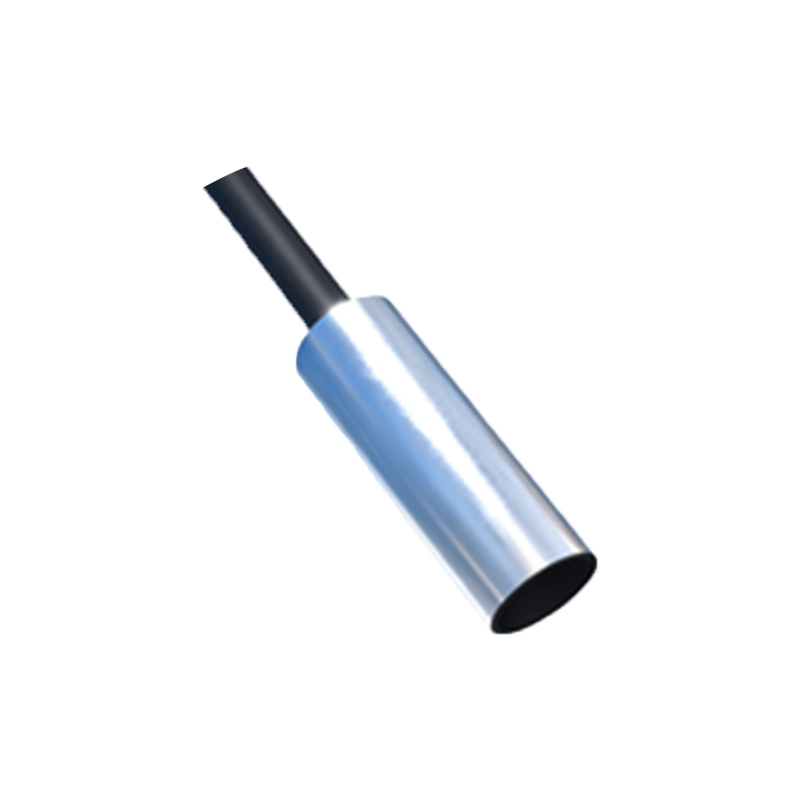
In industrial automation and harsh environment applications, proximity sensors are critical components for detecting the presence or absence of objects without physical contact. A common question among engineers and system designers is whether these sensors can operate reliably under high-temperature conditions. The answer depends on several factors, including sensor type, construction materials, and design specifications.
Proximity sensors are typically categorized into inductive, capacitive, and photoelectric types. Each has distinct temperature tolerances. Inductive sensors, often used for metal detection, generally feature robust housings made of materials like PBT or stainless steel. Standard models are rated for temperatures up to 70-85°C, but high-temperature variants can endure up to 120°C or more, thanks to specialized seals and heat-resistant components. Capacitive sensors, suitable for non-metallic materials, may have similar ranges, though their sensitivity can be affected by temperature fluctuations. Photoelectric sensors, relying on optical components, are more sensitive to heat; standard versions usually max out around 60-70°C, but industrial-grade options with enhanced optics and cooling mechanisms can reach 100°C.
The ability of a proximity sensor to withstand high temperatures hinges on its internal design. Key elements include the sensing element, circuitry, and housing. For instance, semiconductors and electronic parts within the sensor can degrade if exposed to excessive heat, leading to reduced accuracy or failure. Manufacturers address this by using high-temperature-resistant materials such as ceramic substrates, silicone-free components, and thermal barriers. Additionally, sensors designed for extreme environments often incorporate features like thermal compensation, which adjusts readings to maintain precision, and protective coatings to shield against dust and moisture that can exacerbate heat-related issues.
In applications like metal processing, automotive manufacturing, or foundries, temperatures can soar above 150°C. For such scenarios, specialized high-temperature proximity sensors are essential. These sensors are engineered with enhanced thermal management, such as heat sinks or air-cooling systems, and may use materials like Inconel or ceramic for durability. It's crucial to consult datasheets for specific ratings, including operating temperature range, storage temperature, and thermal shock resistance. For example, some models are rated for continuous operation at 200°C with brief peaks higher, but prolonged exposure beyond limits can shorten lifespan.
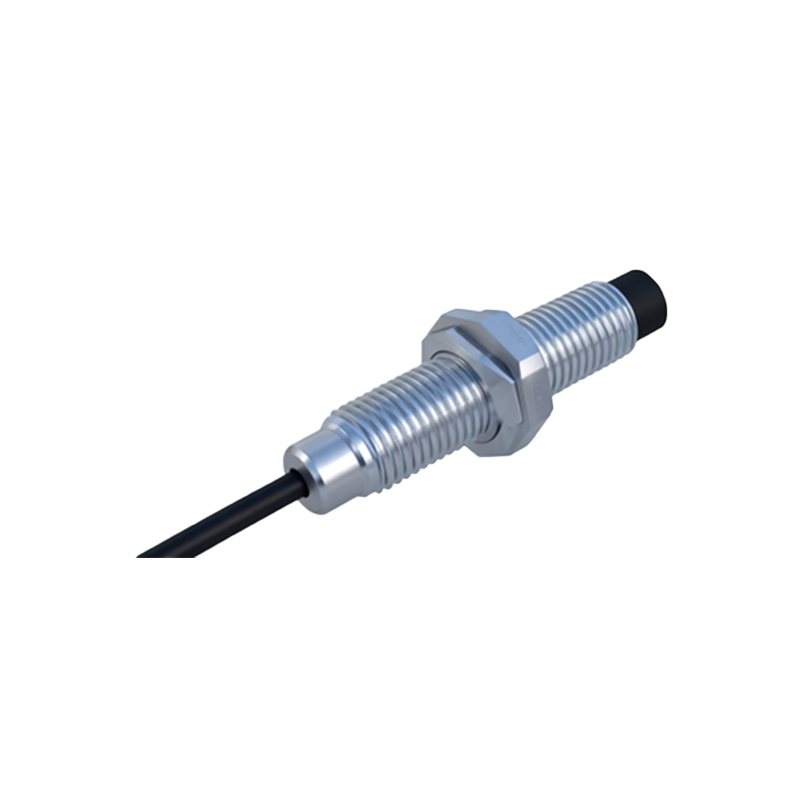
Installation and maintenance also play vital roles in ensuring performance. Proper mounting away from direct heat sources, adequate ventilation, and regular inspections for wear or contamination can extend sensor life. In high-temperature settings, consider using sensors with IP67 or higher ingress protection to prevent damage from environmental factors.
Ultimately, while standard proximity sensors may not suit extreme heat, many industrial-grade options are built to thrive in such conditions. By selecting the right type and model, engineers can ensure reliable detection and system integrity. Always verify specifications with manufacturers and test in real-world conditions to confirm suitability.