In industrial automation and process control, accurate water level measurement is critical for ensuring operational efficiency, safety, and resource management. Among the various technologies available, proximity switch sensors have emerged as a reliable and versatile solution for monitoring liquid levels in tanks, reservoirs, and pipelines. These sensors operate on the principle of detecting the presence or absence of water without direct physical contact, thereby minimizing wear and maintenance issues associated with mechanical floats or conductive probes.
Proximity switches used for water level sensing typically employ inductive, capacitive, or ultrasonic technologies. Inductive proximity sensors are ideal for detecting metallic targets and are often used in applications where water interfaces with metal components, such as in boiler systems or metal tanks. However, for non-metallic containers or pure liquid level detection, capacitive proximity sensors are preferred due to their ability to sense materials with different dielectric constants, including water. Capacitive sensors generate an electrostatic field and detect changes in capacitance when water approaches the sensing face, triggering a switch output. This makes them suitable for plastic, glass, or concrete tanks commonly found in water treatment plants, chemical processing, and agricultural irrigation systems.
Ultrasonic proximity sensors offer another non-contact method by emitting high-frequency sound waves and measuring the time taken for echoes to return from the water surface. While often used for continuous level monitoring, they can be configured as proximity switches with preset thresholds to activate alarms or control pumps when levels reach critical points. The choice of sensor type depends on factors such as tank material, water purity, temperature, pressure, and required response time. For instance, in corrosive or high-temperature environments, sensors with stainless steel housings and robust sealing (e.g., IP67 or IP68 ratings) are essential to ensure longevity and accuracy.
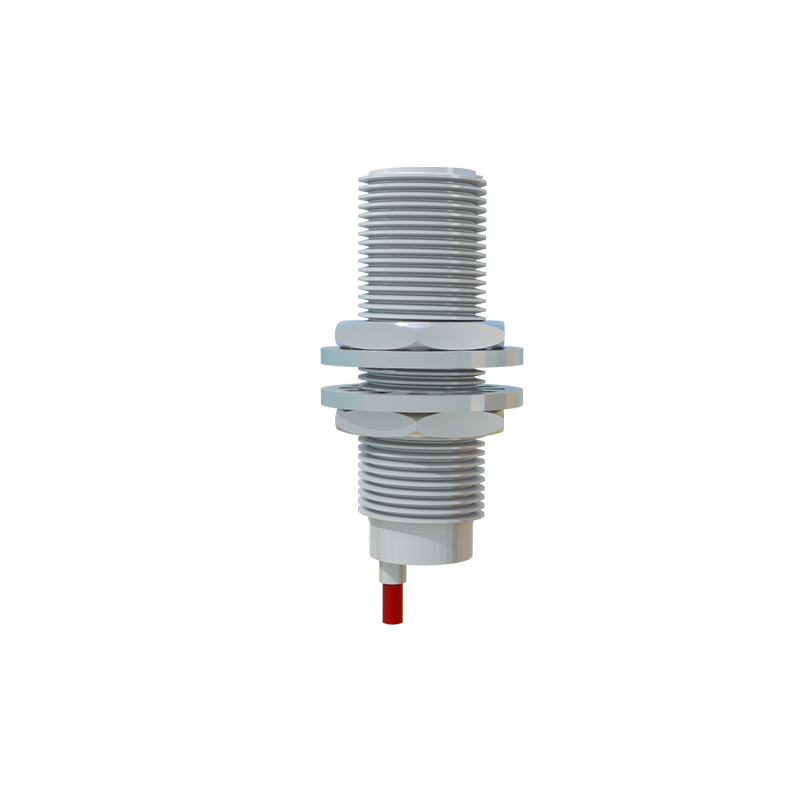
Installation and calibration are key to optimizing proximity switch performance for water level measurement. Sensors should be mounted at strategic points—such as high, low, or intermediate levels—to trigger specific actions like refilling, draining, or emergency shutdowns. Proper alignment and avoidance of obstructions (e.g., agitators or inflow streams) prevent false triggering. In capacitive sensing, adjustments to sensitivity settings may be needed to account for variations in water conductivity or the presence of foam or residues. Regular maintenance, including cleaning sensing surfaces and checking electrical connections, helps sustain reliability over time.
Advantages of using proximity switches for water level monitoring include fast response times, high repeatability, and resistance to environmental factors like humidity or vibration. They integrate seamlessly with PLCs (Programmable Logic Controllers) and SCADA (Supervisory Control and Data Acquisition) systems, enabling automated control loops. For example, in a cooling tower system, proximity switches can activate补水 pumps when levels drop below a set point, preventing equipment damage. In wastewater management, they can signal overflow conditions, prompting diversion valves to engage.
Despite their benefits, limitations exist. Proximity sensors may be affected by extreme turbulence, air bubbles, or dielectric changes in contaminated water, requiring careful application engineering. Additionally, initial costs can be higher than simple mechanical switches, though long-term savings from reduced downtime and maintenance often justify the investment. Emerging trends, such as IoT-enabled proximity sensors with wireless connectivity, are enhancing remote monitoring capabilities, allowing real-time data analytics and predictive maintenance in smart water infrastructure.
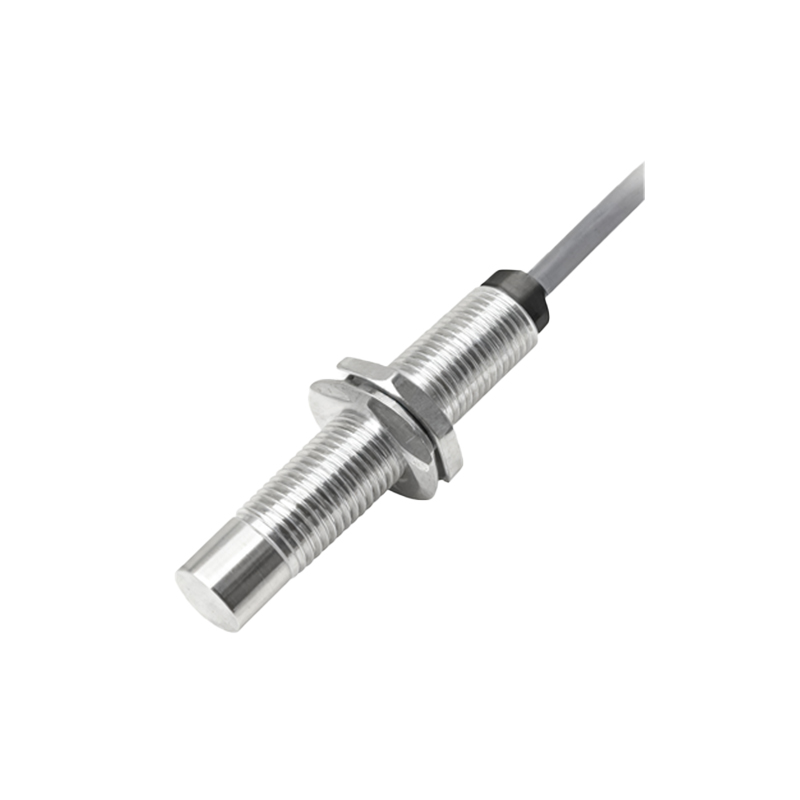
In summary, proximity switch sensors provide an effective, non-contact solution for water level measurement across diverse industrial sectors. By selecting the appropriate sensor technology and ensuring proper installation, engineers can achieve precise, reliable level control, contributing to optimized processes and sustainable resource use. As industries advance toward greater automation, the role of these sensors in water management will continue to expand, driven by innovations in sensitivity, durability, and connectivity.