In the realm of industrial automation, proximity sensors are indispensable components for non-contact detection, object positioning, and process control. However, their performance is profoundly influenced by the design and implementation of their mounting fixtures. A well-engineered proximity sensor fixture is not merely a mechanical holder; it is a critical subsystem that ensures operational accuracy, longevity, and reliability in demanding environments. This article delves into the key principles, material considerations, and design best practices for creating effective proximity sensor fixtures.
The primary function of a proximity sensor fixture is to maintain the sensor in its optimal operational position with unwavering stability. This involves precise control over the sensor's alignment, distance from the target, and environmental exposure. Vibration, thermal expansion, mechanical shock, and electromagnetic interference are common adversaries in industrial settings. A robust fixture design must mitigate these factors. For instance, fixtures should incorporate features like adjustable mounting brackets or shims to fine-tune the sensing distance, which is crucial for sensors with narrow sensing windows. Locking mechanisms, such as set screws with nylon tips or locking nuts, prevent unintended movement due to vibration.
Material selection is paramount. The fixture material must possess adequate mechanical strength, dimensional stability, and environmental resistance. Aluminum alloys, such as 6061-T6, are popular for their excellent strength-to-weight ratio, machinability, and good corrosion resistance. For high-temperature applications or where higher strength is required, stainless steel (e.g., 304 or 316 grade) is preferred. Engineers must also consider the material's thermal expansion coefficient, especially in environments with significant temperature fluctuations, to avoid misalignment. Non-metallic components like insulating bushings or gaskets may be integrated to prevent electrical interference or grounding issues, particularly for inductive proximity sensors.
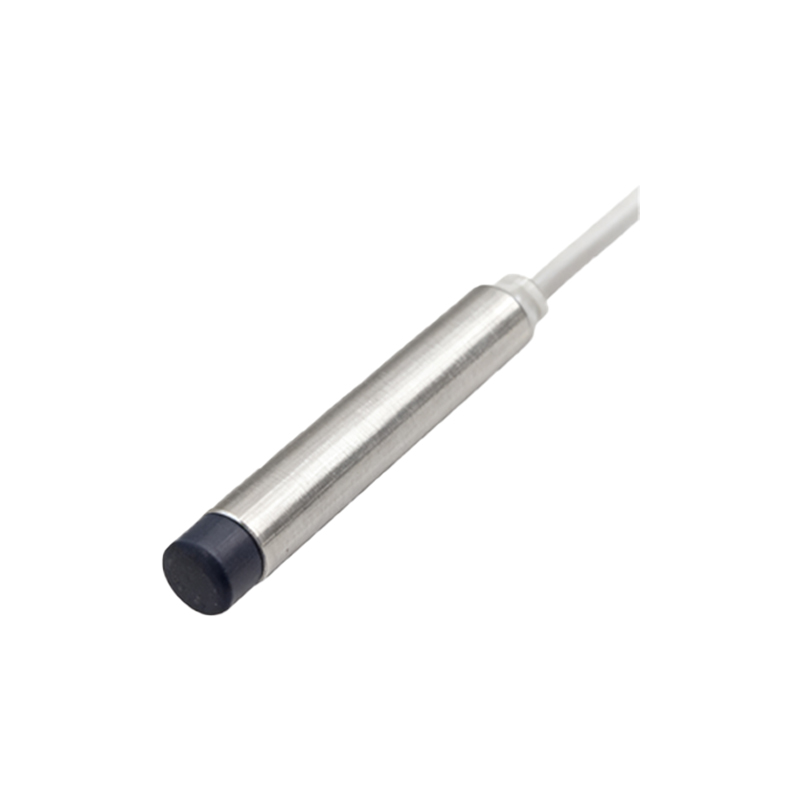
The design geometry should facilitate easy installation, maintenance, and replacement. A modular fixture design allows for quick sensor swaps without extensive downtime. Features like integrated cable management channels or strain relief clamps protect the sensor's electrical connections from stress and damage. For sensors requiring a specific orientation (e.g., certain ultrasonic or photoelectric sensors), the fixture must provide clear, foolproof alignment guides. Furthermore, in washdown or dusty environments, the fixture should offer an appropriate ingress protection (IP) rating, potentially incorporating seals or protective shrouds that do not obstruct the sensor's active face.
Another critical aspect is the consideration of the sensing field. Fixtures must be designed to avoid creating "dead zones" or causing false triggers. Metallic fixtures used near inductive sensors should be carefully shaped and positioned to avoid influencing the electromagnetic field. Similarly, for capacitive sensors, the fixture material and its proximity to the sensing area must be evaluated to prevent unwanted capacitance changes. Finite Element Analysis (FEA) can be a valuable tool in simulating mechanical stresses and thermal effects, while prototyping and rigorous testing under real-world conditions remain essential steps for validation.
In conclusion, the design of a proximity sensor fixture is a multidisciplinary exercise blending mechanical engineering, materials science, and an intimate understanding of sensor technology. Neglecting fixture design can lead to inconsistent readings, premature sensor failure, and costly production errors. By prioritizing stability, precision, environmental adaptability, and serviceability, engineers can develop fixture solutions that unlock the full potential of proximity sensors, thereby enhancing the efficiency and robustness of automated systems. Investing in thoughtful fixture design is, ultimately, an investment in system integrity and operational excellence.