In the realm of industrial automation, the integrity of every component is paramount. Among these, proximity switch sensors stand as silent sentinels, enabling non-contact detection of objects with critical precision. The distinction between original, genuine sensors and their counterfeit or generic counterparts is not merely a matter of branding; it is a fundamental determinant of system performance, safety, and total cost of ownership. This article delves into the essential characteristics and compelling advantages of specifying and utilizing original proximity sensors.
Original proximity sensors are engineered to exacting standards, beginning with their core sensing technology. Whether utilizing inductive, capacitive, or magnetic principles, genuine sensors offer consistent and repeatable sensing ranges. This consistency is a result of meticulous calibration and high-quality materials in the sensing coil or electrode. A non-original sensor may claim an identical nominal range, but in practice, often exhibits hysteresis, drift with temperature fluctuations, or reduced sensitivity to specific target materials. This inconsistency can lead to missed detections or false triggers, causing production line stoppages, product damage, or even safety incidents.
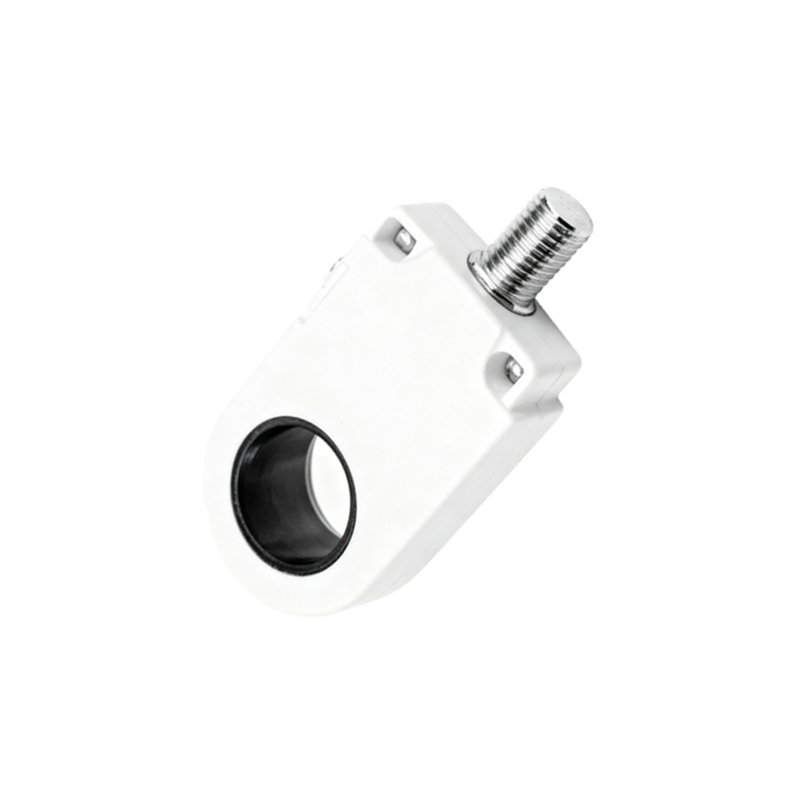
Durability and resilience in harsh industrial environments are hallmarks of original equipment. Manufacturers design genuine sensors to withstand extreme conditions—be it intense vibration on a robotic arm, repeated washdowns in food and beverage processing, or exposure to metallic dust in machining centers. The housing materials, typically high-grade stainless steel (e.g., V4A/316L) or nickel-plated brass, provide superior resistance to corrosion and mechanical impact. The potting compound that seals the internal electronics is formulated to prevent ingress of oils, coolants, and moisture, ensuring long-term protection. Counterfeit units often compromise on these materials, using inferior plastics or thin plating, leading to premature failure when exposed to standard industrial stresses.
Electrical performance and compatibility are further areas where originals excel. A genuine proximity sensor provides stable, clean switching signals with minimal leakage current. It is designed to be immune to electromagnetic interference (EMI) from nearby motors, frequency drives, or welding equipment, a common challenge in control panels. Furthermore, original sensors adhere strictly to international standards for output configurations (PNP/NPN, NO/NC), wiring color codes, and protection circuits (short-circuit, overload, reverse polarity). This compliance guarantees seamless integration into existing control systems from major PLC manufacturers without risking damage to sensitive inputs. Using non-compliant sensors can result in erratic PLC behavior, damaged input cards, and significant troubleshooting downtime.
The long-term economic argument strongly favors original sensors. While the initial purchase price of a generic alternative may be lower, the Total Cost of Ownership (TCO) tells a different story. Original sensors boast significantly higher Mean Time Between Failures (MTBF), reducing replacement frequency and associated labor costs. Their reliability minimizes unplanned production downtime, which is often exponentially more expensive than the component itself. Moreover, original sensors ensure consistent product quality by guaranteeing precise detection, reducing waste from misaligned or improperly processed items. Genuine parts also come with full technical documentation, accurate datasheets, and traceability, which are crucial for maintenance planning and quality audits.
Finally, support and warranty form the backbone of the value proposition. Authorized manufacturers and distributors provide comprehensive technical support, from selection assistance to troubleshooting. They offer valid warranties that cover defects in materials and workmanship, providing peace of mind and financial protection. Counterfeit sensors carry no such guarantees, leaving end-users solely responsible for any consequent losses or damages.
In conclusion, specifying original proximity switch sensors is a strategic decision that underpins operational excellence. It is an investment in predictable performance, robust durability, system safety, and ultimately, the profitability and reputation of the manufacturing operation. In the precise world of automation, where margins for error are negligible, trusting anything less than the genuine article is a risk no professional engineer can afford to take.