In the rapidly evolving landscape of industrial automation, proximity switches play a pivotal role in ensuring seamless operations, safety, and efficiency. Among the leading innovations in this domain, New European Sensor proximity switches have emerged as a benchmark for precision, durability, and advanced functionality. These devices are designed to detect the presence or absence of objects without physical contact, leveraging cutting-edge technologies such as inductive, capacitive, and magnetic sensing principles. This article delves into the key features, applications, and benefits of these state-of-the-art proximity switches, tailored for engineers and professionals in the electrical and automation industries.
New European Sensor proximity switches are engineered to meet the rigorous demands of modern industrial environments. Constructed with high-grade materials like stainless steel housings and robust sensing elements, they offer exceptional resistance to environmental factors such as moisture, dust, vibrations, and extreme temperatures. This durability translates to reduced maintenance costs and extended operational lifespans, making them a cost-effective solution for long-term projects. For instance, in manufacturing assembly lines, these switches provide reliable object detection for robotic arms, conveyor systems, and quality control mechanisms, minimizing downtime and enhancing productivity.
One of the standout features of these proximity switches is their high precision and sensitivity. Utilizing advanced inductive technology, they can detect metallic objects with millimeter accuracy, even in challenging conditions. Capacitive variants excel in non-metallic material detection, such as plastics or liquids, broadening their applicability across diverse sectors like food processing, packaging, and pharmaceutical industries. Magnetic proximity switches, on the other hand, are ideal for harsh environments where electrical interference is prevalent, ensuring stable performance in automotive or heavy machinery applications. The integration of smart diagnostics and LED indicators further simplifies installation and troubleshooting, allowing engineers to monitor operational status in real-time.
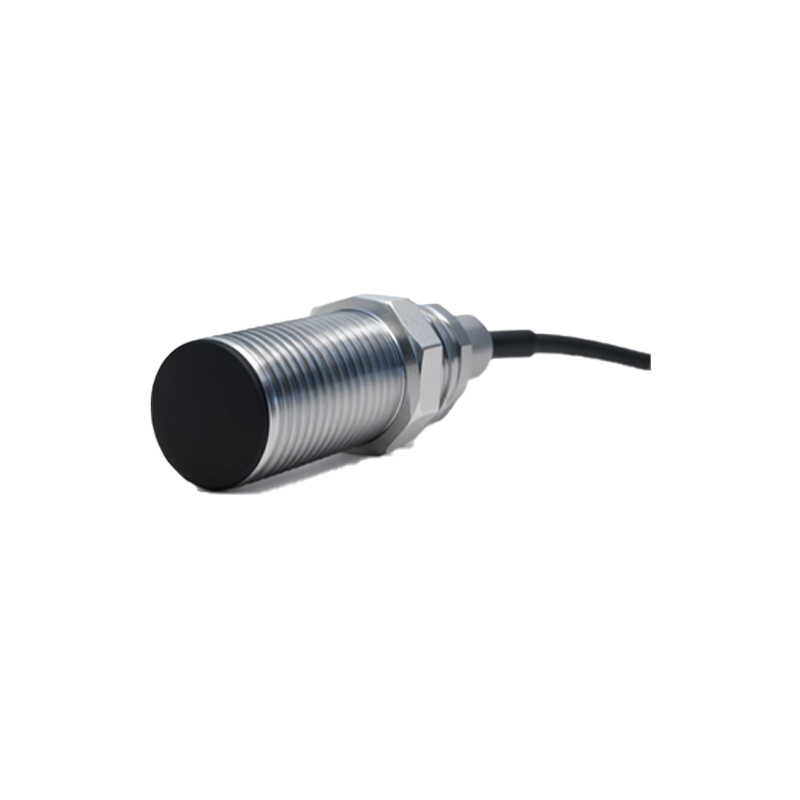
From an electrical engineering perspective, New European Sensor proximity switches are designed with compatibility and ease of integration in mind. They support a wide range of voltage inputs, including DC and AC variants, and feature short-circuit and overload protection to safeguard connected systems. Their compact form factors enable installation in space-constrained areas, while adjustable sensing distances offer flexibility for custom configurations. In automated warehouses, for example, these switches facilitate precise inventory tracking and pallet handling, contributing to streamlined logistics and reduced human error.
The benefits of adopting New European Sensor proximity switches extend beyond technical specifications. By enhancing automation reliability, they support Industry 4.0 initiatives, enabling data-driven decision-making and predictive maintenance. Their energy-efficient designs align with sustainability goals, reducing overall power consumption in industrial setups. Case studies from European manufacturing plants highlight significant improvements in efficiency, with some facilities reporting up to a 20% increase in throughput after integrating these sensors into their control systems.
In conclusion, New European Sensor proximity switches represent a fusion of innovation and practicality, addressing the core needs of today's industrial automation sector. Their robust construction, precision sensing, and versatile applications make them an indispensable tool for engineers striving to optimize processes and ensure operational excellence. As industries continue to embrace digital transformation, investing in reliable proximity sensing technology will be crucial for maintaining competitive advantage and achieving long-term success.