Infrared (IR) proximity sensors are a cornerstone technology in modern automation, robotics, and consumer electronics. These devices operate by emitting an infrared light beam and detecting its reflection from a nearby object. Unlike mechanical switches or ultrasonic sensors, IR sensors offer contactless detection, high sensitivity, and rapid response times, making them indispensable in a wide array of industrial and commercial applications.
The fundamental working principle revolves around the use of an IR emitter, typically an infrared LED, and an IR receiver, such as a phototransistor or photodiode. The emitter projects a modulated infrared signal—often pulsed to minimize interference from ambient light. When an object enters the detection field, it reflects a portion of this signal back to the receiver. The sensor's internal circuitry then processes this reflected signal. By analyzing the intensity of the received infrared light, the sensor can determine the presence of an object. More advanced versions can also estimate distance by comparing the emitted and reflected signal strength, a method known as triangulation or time-of-flight calculation in sophisticated models.
Key components and their functions are critical to performance. The IR LED's wavelength, commonly around 850nm or 950nm, is chosen for its invisibility to the human eye and good atmospheric transmission. The receiver must be spectrally matched to the emitter for optimal sensitivity. An optical filter is often employed to block visible light, enhancing signal-to-noise ratio. Furthermore, the sensor housing and lens design shape the detection field, defining the sensing range and beam pattern. Modern digital sensors integrate a microcontroller for signal processing, providing digital outputs (e.g., I2C, UART) that simplify integration with systems like Arduino, Raspberry Pi, or PLCs.
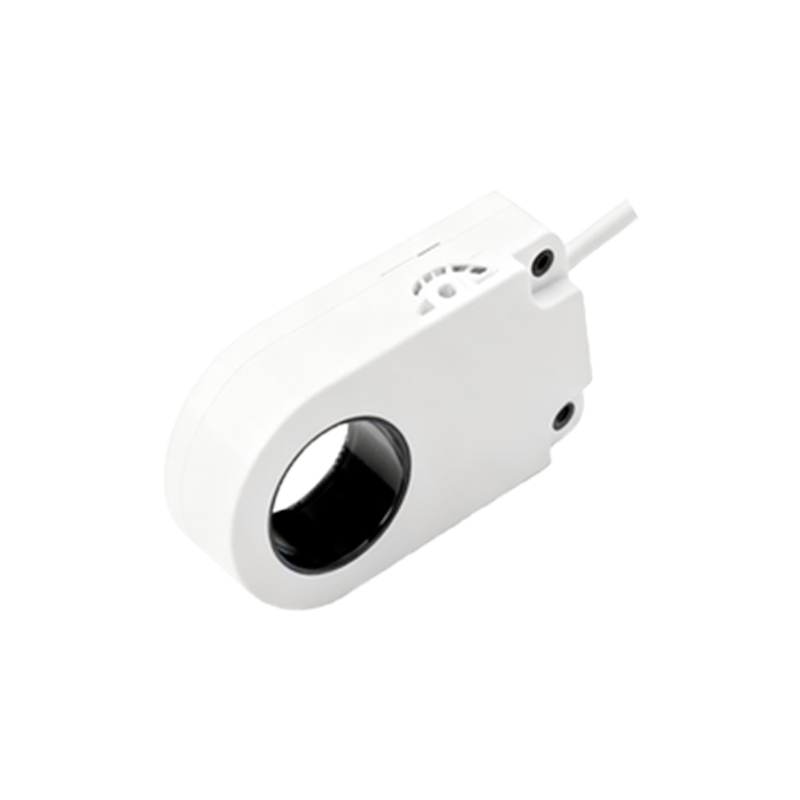
The applications of IR proximity sensors are vast and varied. In industrial automation, they are used for object detection on conveyor belts, part positioning in assembly lines, and as safety curtains to protect personnel from machinery. The robotics industry relies on them for obstacle avoidance and navigation in autonomous mobile robots (AMRs) and drones. In consumer electronics, they are ubiquitous: smartphones use them to disable touchscreens during calls, automatic faucets and soap dispensers employ them for touch-free operation, and televisions utilize them for presence detection to conserve energy. Automotive systems integrate them for occupancy sensing and gesture control interfaces.
Selecting the right IR proximity sensor requires careful consideration of several technical parameters. The sensing range is paramount, varying from a few centimeters to several meters. Environmental factors such as ambient light conditions, temperature extremes, and potential obstructions like dust or fog must be evaluated, as they can affect IR signal integrity. The object's material and color also influence performance; dark, non-reflective surfaces absorb infrared light, reducing effective range, while shiny surfaces may cause false readings. Output type is another crucial decision: analog outputs provide continuous distance data, while digital outputs offer simple on/off detection. Power consumption is a key factor for battery-operated devices. Finally, physical characteristics like size, mounting style, and ingress protection (IP) rating must align with the mechanical and environmental design of the end application.
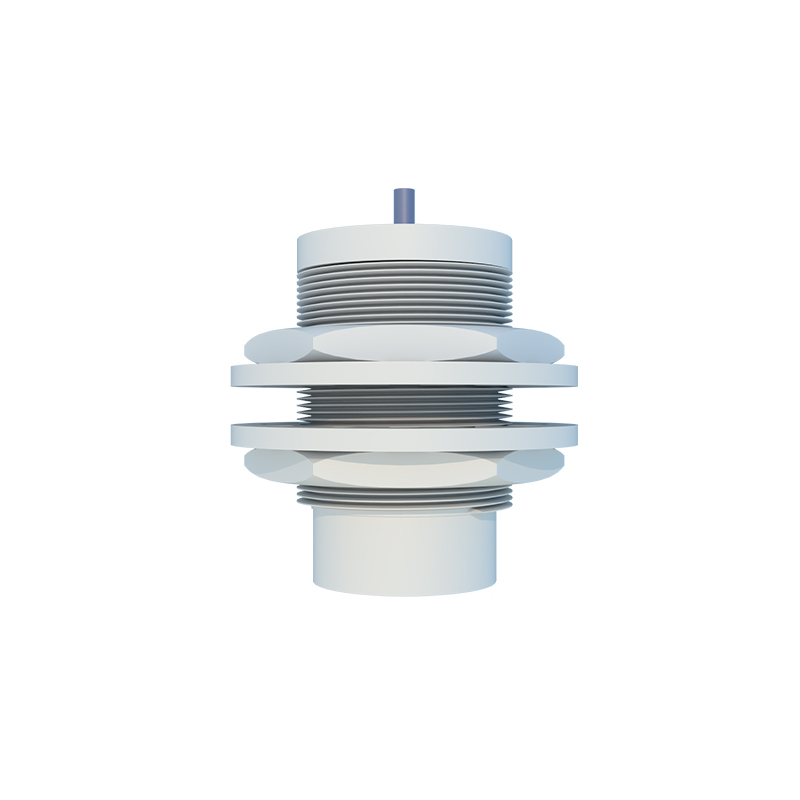
When integrating these sensors, engineers must address common challenges. Crosstalk interference between multiple closely spaced sensors can be mitigated by using different modulation frequencies or implementing time-division multiplexing. Calibration is often necessary to account for specific target reflectivity. Regular maintenance, such as cleaning lenses from dust buildup, ensures long-term reliability. Adherence to relevant standards, like IEC 60947-5-2 for proximity sensors, is essential for industrial safety and performance compliance.
In conclusion, infrared proximity sensors provide a robust, versatile, and cost-effective solution for non-contact detection. Their evolution continues with advancements in miniaturization, power efficiency, and intelligent signal processing, paving the way for more sophisticated applications in the Internet of Things (IoT) and smart systems. A thorough understanding of their operating principles, key specifications, and application nuances empowers engineers and designers to deploy them effectively, enhancing the functionality and autonomy of countless electronic and mechanical systems.