Proximity sensors are fundamental components in modern industrial automation, providing non-contact detection of objects within their sensing range. Among their various output types, pulse signals are particularly critical for applications requiring precise timing, counting, or speed measurement. This article delves into the principles, characteristics, and practical considerations of proximity sensor pulses, offering insights for engineers and technicians working in automation and control systems.
A proximity sensor pulse refers to a brief, discrete electrical signal generated when the sensor detects a target object. Unlike analog outputs that vary continuously with distance, a pulse output is typically digital—either ON or OFF—making it ideal for interfacing with programmable logic controllers (PLCs), counters, timers, and other digital devices. The pulse is often characterized by its amplitude, width, frequency, and edge sharpness, which collectively determine its suitability for specific tasks.
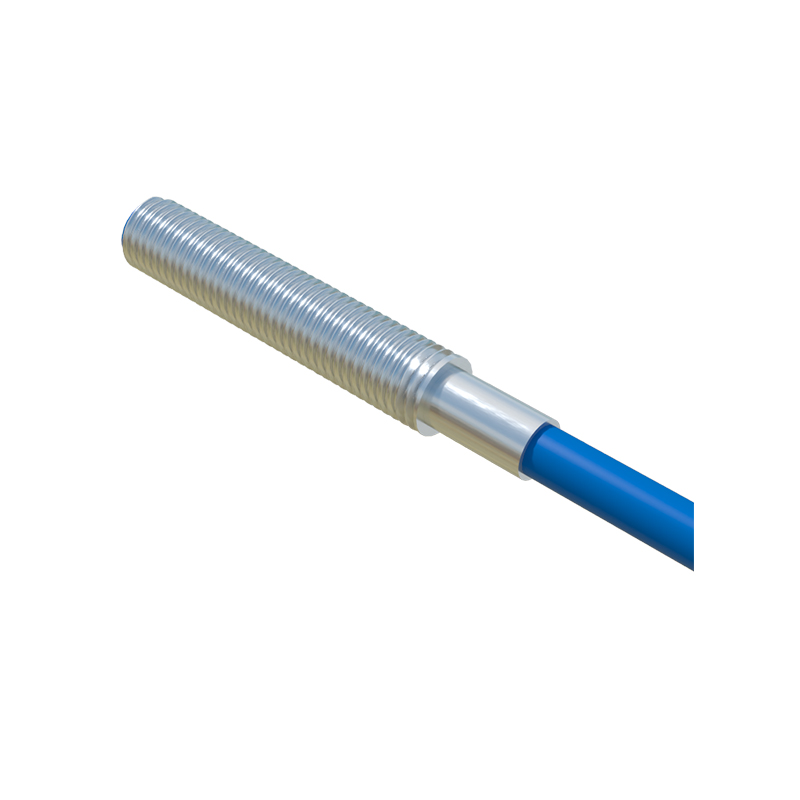
The generation of a pulse depends on the sensor's technology. Inductive proximity sensors, for instance, detect metallic objects by changes in an electromagnetic field, while capacitive sensors respond to both metallic and non-metallic materials based on capacitance shifts. Photoelectric sensors use light beams to detect objects. Regardless of the technology, when a target enters the sensing zone, the sensor's internal circuitry triggers a pulse output. This pulse can be configured as normally open (NO) or normally closed (NC), and in some advanced models, it may include programmable features such as adjustable pulse width or delay.
Key parameters of proximity sensor pulses include response time, repetition accuracy, and output type. Response time, often measured in milliseconds or microseconds, defines how quickly the sensor can generate a pulse after detection. This is crucial in high-speed applications like conveyor belt monitoring or rotary encoder systems. Repetition accuracy refers to the consistency of pulse timing across multiple detections, ensuring reliable operation in counting or positioning tasks. Output types commonly include NPN (sinking) or PNP (sourcing) transistor configurations, compatible with different voltage levels (e.g., 12-24 VDC) and load capacities.
In practice, proximity sensor pulses are widely used for tasks such as object counting, speed measurement, and position sensing. For example, in a packaging line, sensors can emit pulses for each item passing by, enabling accurate inventory tracking. In motor control, pulses from a sensor attached to a rotating shaft can calculate RPM (revolutions per minute) by measuring the frequency of pulses over time. Additionally, pulses can synchronize operations in assembly machines, where precise timing between components is essential.
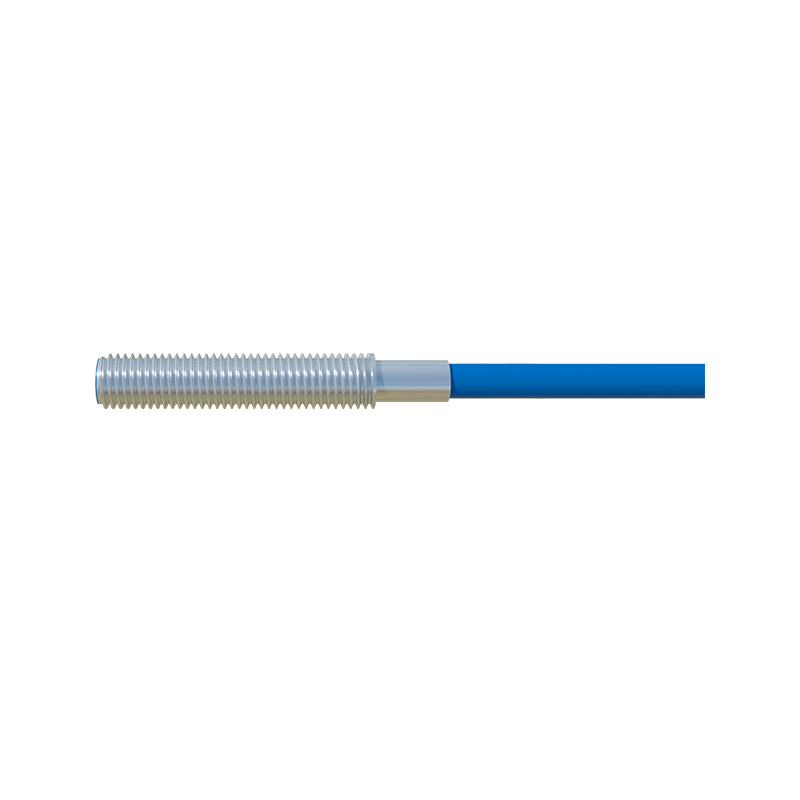
However, engineers must consider several factors to optimize pulse performance. Electrical noise in industrial environments can interfere with pulse signals, leading to false triggers or missed detections. Shielding, proper grounding, and using sensors with noise immunity features are recommended. Cable length also affects pulse integrity; excessive capacitance or resistance can distort the signal, so it's important to follow manufacturer guidelines for maximum cable distances. Furthermore, the target material, size, and orientation can influence sensing range and pulse consistency, requiring careful sensor selection and installation.
Maintenance and troubleshooting of proximity sensor pulses involve regular checks for signal stability and alignment. Oscilloscopes or pulse analyzers can visualize the pulse waveform, helping identify issues like jitter, overshoot, or attenuation. Calibration may be necessary to adjust sensitivity or hysteresis, ensuring the sensor only pulses within the desired detection zone. In networked systems, diagnostics via industrial protocols (e.g., IO-Link) can monitor pulse data in real-time, facilitating predictive maintenance.
Looking ahead, advancements in proximity sensor technology are enhancing pulse capabilities. Smart sensors with embedded microprocessors offer programmable pulse outputs, adaptive filtering, and communication interfaces for Industry 4.0 applications. These innovations enable more flexible and efficient automation solutions, from robotic guidance to quality control. By mastering the nuances of proximity sensor pulses, professionals can leverage these tools to improve system accuracy, reliability, and productivity.
In summary, proximity sensor pulses are vital for precise industrial automation, offering digital signals that drive counting, timing, and speed-based processes. Understanding their operation, parameters, and application considerations is key to successful implementation. As automation evolves, continued focus on pulse optimization will support smarter, more responsive manufacturing environments.