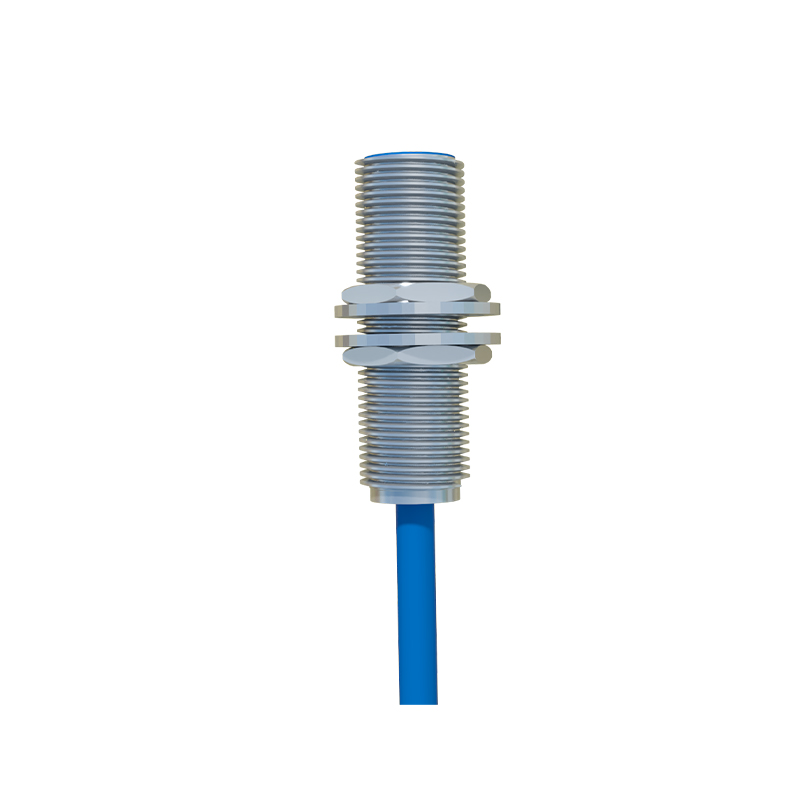
Fine metal proximity switch sensors represent a critical component in modern industrial automation, offering unparalleled precision in non-contact detection of metallic objects. These sensors operate on the principle of electromagnetic induction, where an oscillator generates a high-frequency electromagnetic field. When a metallic target enters this field, eddy currents are induced, causing a change in the sensor's oscillation amplitude or frequency. This alteration is detected by a threshold circuit, triggering an output signal—typically a switching action—without any physical contact. The term "fine metal" specifically refers to sensors optimized for detecting small or thin metallic objects, such as screws, washers, or foil strips, with high sensitivity and repeatability.
In industrial applications, fine metal proximity sensors are prized for their reliability and durability. Constructed often from stainless steel or nickel-plated brass housings, they withstand harsh environments including dust, moisture, and temperature extremes. Key specifications include sensing distance, which for fine metal variants can range from 1 to 5 mm, depending on the target material and size. Ferrous metals like iron and steel are detected at longer ranges due to higher permeability, while non-ferrous metals like aluminum or copper require shorter distances. The sensors output signals via PNP/NPN transistors or analog interfaces, integrating seamlessly with PLCs (Programmable Logic Controllers) and control systems.
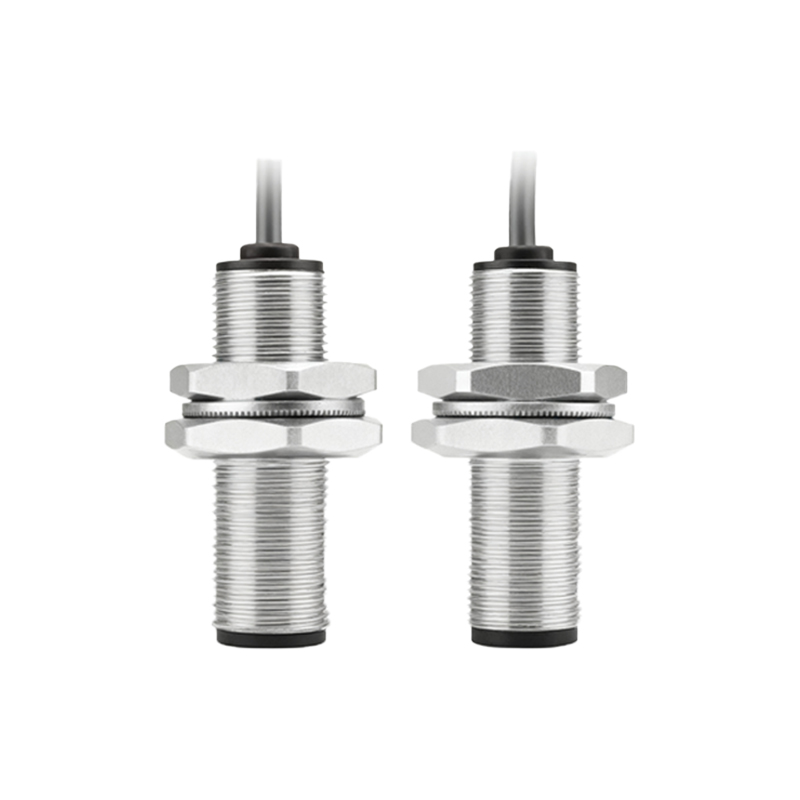
Advantages over mechanical switches are substantial: no moving parts mean minimal wear, leading to longer service life and reduced maintenance. They enable high-speed detection, with response times as low as 0.1 ms, crucial for fast-paced assembly lines or packaging machinery. Additionally, their non-contact nature eliminates contamination risks, making them ideal for cleanrooms or food processing industries. However, challenges exist, such as sensitivity to surrounding metals, which can cause interference. Shielding techniques and careful installation mitigate this, ensuring accurate operation.
Emerging trends include miniaturization and smart features. Modern fine metal proximity sensors are shrinking in size, allowing installation in tight spaces, while incorporating IO-Link communication for real-time diagnostics and parameter adjustments. This enhances predictive maintenance, as sensors can monitor their own health and alert operators to potential failures. In robotics, these sensors facilitate precise part positioning, while in automotive manufacturing, they verify component presence in engines or transmissions. As Industry 4.0 advances, their role in enabling flexible, data-driven production lines grows increasingly vital.
To maximize performance, selection criteria should consider target material, size, and environmental conditions. Regular calibration and adherence to manufacturer guidelines ensure optimal functionality. In summary, fine metal proximity switch sensors are indispensable tools in automation, delivering accuracy and efficiency that drive modern industrial processes forward.