In the world of industrial automation and electrical engineering, the terms "sensor" and "proximity switch" are often used interchangeably, leading to confusion among professionals and newcomers alike. However, while they share some functional similarities, they are not identical. Understanding the distinction is crucial for selecting the right components in applications ranging from manufacturing lines to robotics.
A sensor is a broad category of devices that detect and respond to inputs from the physical environment. These inputs can include light, heat, motion, pressure, or chemical changes. Sensors convert these physical phenomena into electrical signals, which are then processed by control systems to trigger actions or provide data. Examples of sensors include temperature sensors, photoelectric sensors, pressure sensors, and ultrasonic sensors. They are essential for monitoring, measurement, and feedback in various industries, enabling automation and precision.
On the other hand, a proximity switch is a specific type of sensor designed to detect the presence or absence of an object without physical contact. It operates based on electromagnetic fields, capacitance, or inductive principles, making it ideal for harsh environments where mechanical switches might fail. Proximity switches are commonly used in applications like object detection on conveyor belts, position sensing in machinery, or safety interlocks. They are valued for their durability, reliability, and ability to function in dirty or wet conditions.
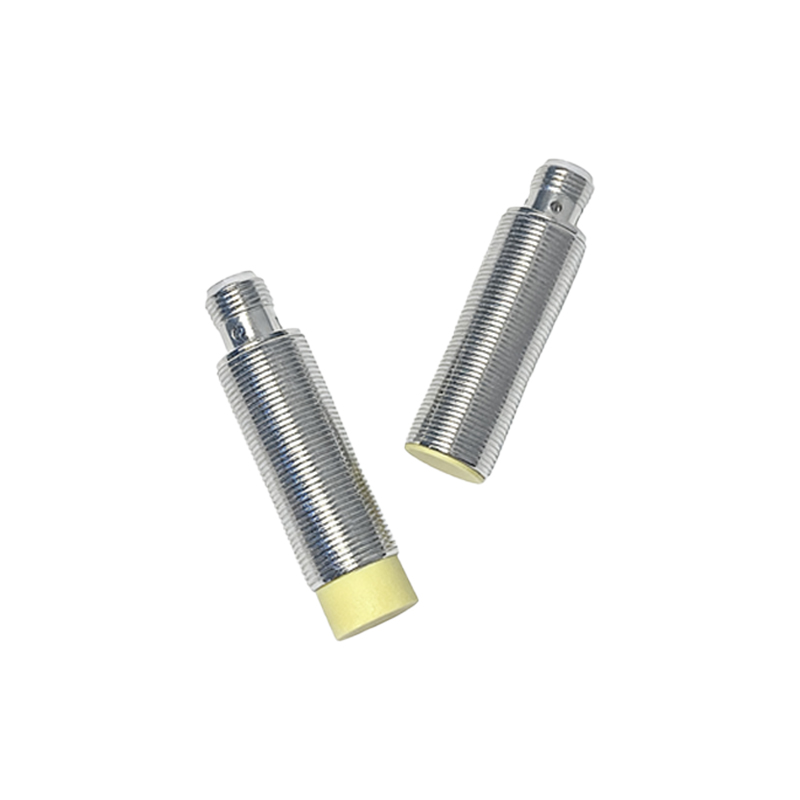
The key difference lies in scope and application. All proximity switches are sensors, but not all sensors are proximity switches. Sensors encompass a wider range of technologies and purposes, including those that measure continuous variables (e.g., temperature or pressure) rather than just detecting presence. Proximity switches, by contrast, are typically binary devices—they output an on/off signal when an object enters their detection range. This makes them a subset of sensors focused on discrete detection tasks.
In practice, choosing between a general sensor and a proximity switch depends on the specific requirements of a project. For instance, if you need to monitor the exact distance of an object continuously, an ultrasonic sensor might be more appropriate. But if the goal is simply to know when a metal part passes a certain point, an inductive proximity switch would suffice. Engineers must consider factors like detection range, environmental conditions, response time, and output type to make an informed decision.
In summary, while sensors and proximity switches overlap in function, they represent different levels of specificity in electrical engineering. Recognizing this distinction helps optimize system design, improve efficiency, and reduce costs in industrial settings. As technology advances, both categories continue to evolve, offering more sophisticated solutions for automation challenges.
