In modern industrial automation, proximity sensors play a critical role in ensuring precision, safety, and efficiency. These non-contact devices detect the presence or absence of objects and are widely used in manufacturing, packaging, robotics, and material handling. Proper installation is paramount to their performance and longevity. This article provides a detailed guide on installation best practices, followed by a real-world case study from an automotive assembly line.
First, understanding the sensor type is essential. Inductive sensors detect metallic objects, capacitive sensors handle both metallic and non-metallic materials, and ultrasonic sensors are ideal for distance measurement and liquid level detection. Always refer to the manufacturer’s datasheet for specifications such as sensing distance, voltage rating, and environmental ratings (IP protection, temperature range).
Installation begins with selecting the correct mounting location. Ensure the sensor is positioned within its specified sensing range, avoiding obstructions that could cause false triggers. For inductive sensors, maintain a clearance distance from other metal surfaces to prevent interference—typically 2-3 times the sensor’s diameter. Use appropriate mounting hardware, such as brackets or threaded housings, and secure connections to avoid vibration-induced loosening.
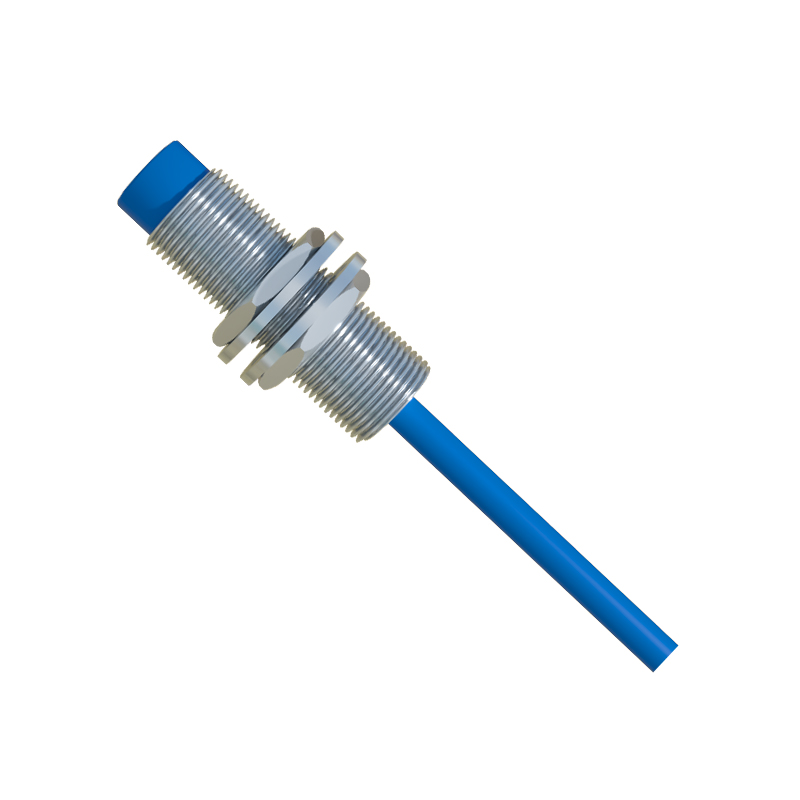
Wiring must adhere to electrical standards. Connect the sensor to a stable power supply, observing polarity for DC models. Shielded cables are recommended in environments with electromagnetic interference (EMI). Implement proper grounding to reduce noise and protect against voltage spikes. For hazardous areas, select intrinsically safe or explosion-proof models certified for the specific zone.
Environmental factors significantly impact sensor performance. In dusty or humid conditions, choose sensors with high IP ratings (e.g., IP67 or IP69K). For high-temperature applications, ensure the sensor’s operating range matches the ambient temperature, and consider heat-resistant enclosures if necessary. Regular maintenance, including cleaning lenses or sensing faces, prevents buildup that could reduce sensitivity.
Now, let’s examine a practical case study from an automotive assembly plant. The challenge involved a robotic welding station where inconsistent part detection caused production delays. Inductive proximity sensors were installed to identify metal brackets on a conveyor. Initially, sensors malfunctioned due to metal shavings accumulation and EMI from nearby motors.
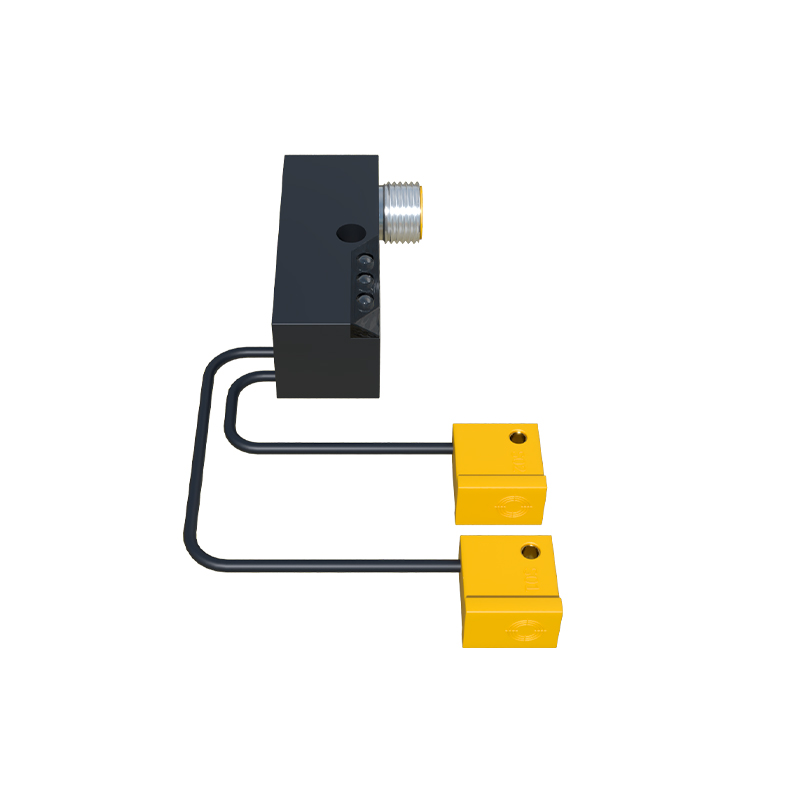
The solution included several steps:
1. Sensor Selection: High-frequency inductive sensors with extended sensing ranges were chosen to compensate for bracket position variations.
2. Mounting Adjustment: Sensors were repositioned 15 mm from the conveyor edge, with a 30 mm clearance from adjacent metal frames to minimize interference.
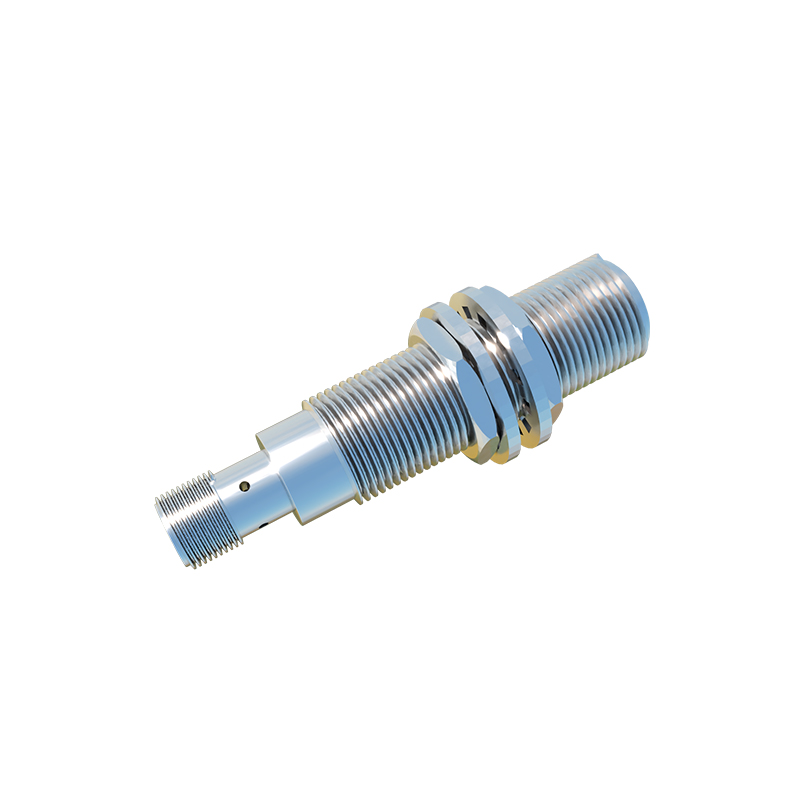
3. Environmental Protection: Sensors with IP67 ratings were installed, and protective shrouds were added to deflect debris.
4. Electrical Optimization: Shielded cables were routed away from power lines, and a dedicated ground line was established. Ferrite cores were applied to suppress EMI.
Post-installation, the system achieved 99.8% detection accuracy, reducing downtime by 40%. The sensors operated reliably for over 12 months without failure, demonstrating the importance of meticulous installation.
In conclusion, successful proximity sensor installation requires careful planning, from selection to environmental hardening. By following technical guidelines and adapting to site-specific conditions, engineers can enhance system reliability and productivity. Always test sensors under actual operating conditions and document configurations for future reference.