In the demanding environments of modern industrial automation, the reliability of sensing components is paramount. Among these, proximity sensors play a critical role in detecting the presence or absence of objects without physical contact. However, one of the most persistent challenges faced by these devices is contamination from dust, powder, and other particulate matter. This is where dust-resistant proximity sensors become indispensable. This article delves into the technology, design principles, and application considerations of these robust sensing solutions.
The fundamental threat posed by dust to standard proximity sensors is multifaceted. Particulate accumulation on the sensor face can attenuate the emitted electromagnetic field (in inductive sensors) or light beam (in photoelectric sensors), leading to reduced sensing ranges and eventual failure. Fine conductive metallic dust can cause short circuits, while abrasive particles can physically damage the lens or housing over time. In explosive atmospheres, dust layers can also pose a significant ignition risk due to heat buildup. Consequently, industries such as mining, woodworking, food processing, cement production, and metal fabrication demand sensors specifically engineered to withstand these harsh conditions.
Dust resistance in proximity sensors is achieved through a combination of meticulous design, material selection, and sealing technologies. The first line of defense is the housing. Sensors designed for dusty environments typically feature robust, often metal (stainless steel or nickel-plated brass), or high-grade polymer housings with a high Ingress Protection (IP) rating. The IP6X rating is particularly crucial, indicating complete protection against dust ingress. The sensor face, or sensing surface, is a critical area. Many dust-resistant models incorporate a flush-mounted design, allowing them to be embedded into a machine frame without a protruding lip where dust could gather. The face material itself is often a specialized, abrasion-resistant polymer or ceramic that minimizes particle adhesion.
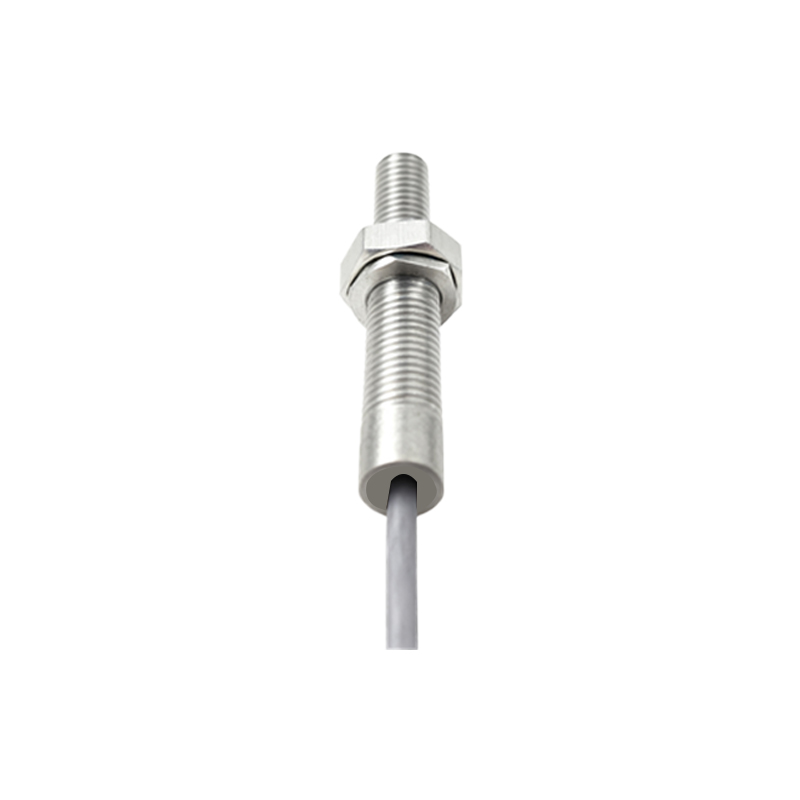
Internal sealing is equally important. High-quality radial shaft seals and specialized gaskets made from materials like Viton® or silicone ensure that no dust penetrates the internal electronics. Potting compounds are frequently used to encapsulate the circuitry, providing additional protection against vibration, moisture, and corrosive dust. For photoelectric sensors, the lens is a vulnerable point. Models designed for powder-filled environments often use hydrophobic coatings to repel dust and moisture, and some employ continuous air purge systems that maintain a positive air pressure over the lens, preventing dust settlement.
From a functional perspective, certain sensing technologies offer inherent advantages. Inductive proximity sensors, which detect metallic objects, are generally more resilient to non-metallic dust than photoelectric sensors. However, for non-metallic object detection in dusty settings, robust photoelectric sensors with modulated infrared LED light sources and powerful signal processing algorithms are preferred. These algorithms can distinguish between the true signal and noise caused by light scattering from dust particles. Ultrasonic sensors, which use sound waves, can also perform well in some dusty applications as they are less affected by opaque airborne particles.
Selecting the right dust-resistant proximity sensor requires careful analysis of the application. Key parameters include the IP rating (aim for IP67 or IP69K for washdown and heavy dust), the NEMA rating (e.g., NEMA 4X), the specific type of dust (conductive, abrasive, explosive), temperature ranges, and required sensing distance. It is vital to consult the sensor's technical data sheet for its dust resistance testing standards, such as IEC 60529 for IP ratings. Regular maintenance, such as periodic cleaning of the sensor face with appropriate methods, remains essential to ensure long-term reliability, even for highly protected devices.
In conclusion, dust-resistant proximity sensors are not merely optional accessories but essential components for ensuring uptime, safety, and efficiency in particulate-laden industrial settings. Their specialized construction—encompassing sealed housings, flush mounting, advanced materials, and intelligent electronics—provides a formidable barrier against environmental contaminants. By understanding the technology behind these sensors and carefully matching their specifications to the application's demands, engineers and maintenance professionals can build more resilient and productive automation systems, minimizing failures and maximizing operational continuity.