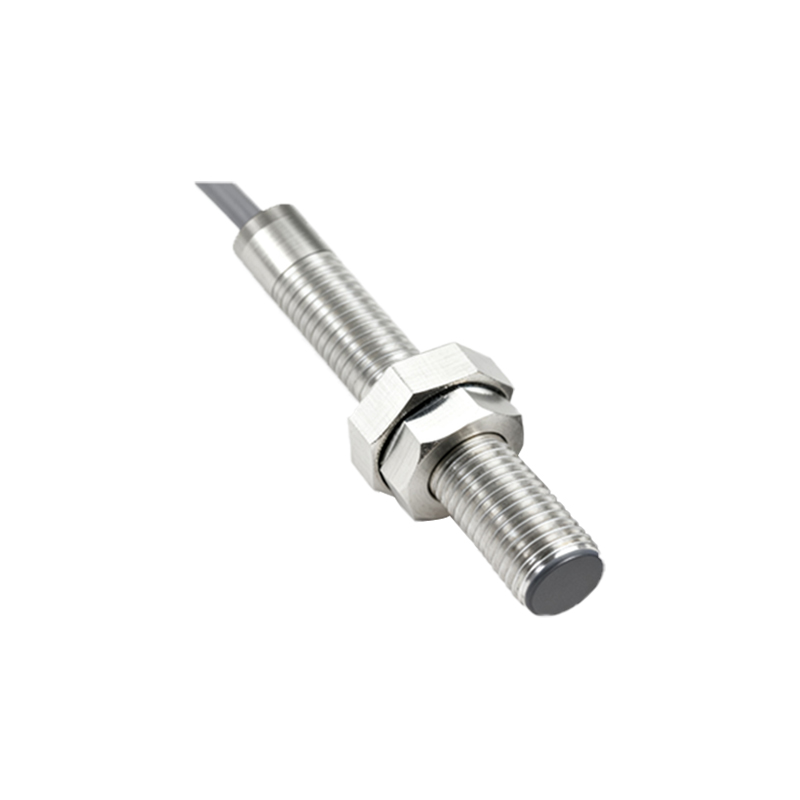
Proximity sensors have become an integral component in modern smartphones, playing a crucial role in enhancing user experience and optimizing device performance. These sensors, typically based on infrared (IR) or capacitive technology, detect the presence of nearby objects without physical contact. In smartphones, they are primarily used to manage screen behavior during calls, conserve battery life, and enable advanced features.
When a user makes or receives a call, the proximity sensor detects when the phone is held close to the ear. It automatically turns off the display to prevent accidental touches, such as muting the call or activating other functions. This not only improves usability but also reduces power consumption by disabling the screen when unnecessary. Once the phone is moved away from the ear, the sensor reactivates the display, allowing the user to access keypad functions or end the call conveniently.
Beyond call management, proximity sensors contribute to energy efficiency. By monitoring the device's environment, they help adjust screen brightness or trigger sleep modes when the phone is placed in a pocket or bag. This extends battery life, a critical factor for users who rely on their smartphones throughout the day. Additionally, in some high-end models, these sensors support gesture controls, enabling users to interact with their devices through hand movements without touching the screen—a feature that enhances hygiene and convenience.
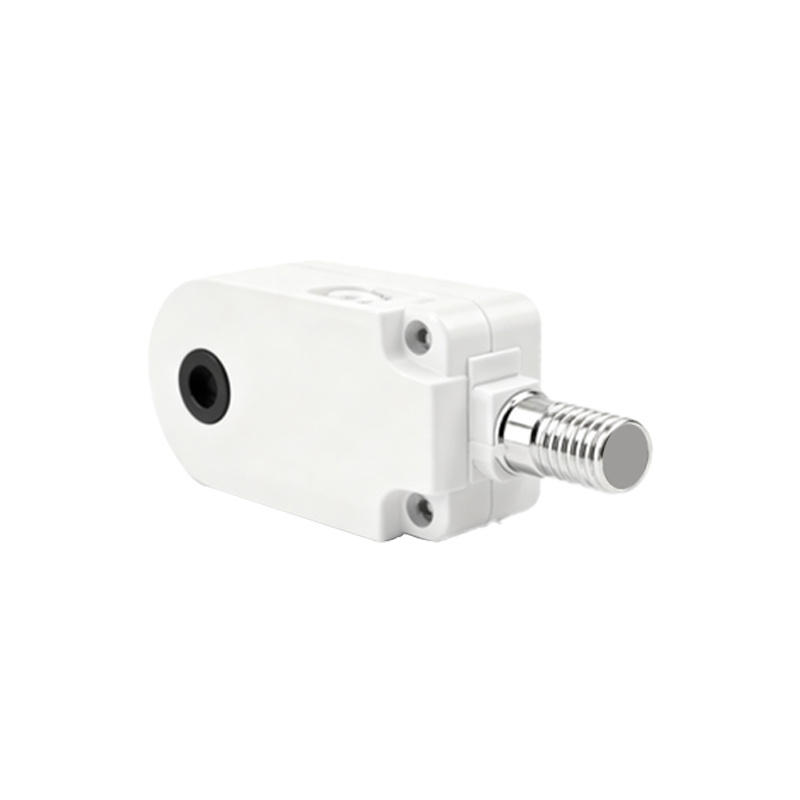
The technology behind proximity sensors has evolved significantly. Early versions used simple IR emitters and receivers, but modern sensors incorporate advanced algorithms and miniaturized components for greater accuracy and responsiveness. They are often integrated with other sensors, such as ambient light sensors, to create a seamless user experience. For instance, in adaptive display systems, proximity data combined with light sensing allows smartphones to automatically adjust screen settings based on the surrounding environment, reducing eye strain and improving readability.
In terms of design, proximity sensors are strategically placed near the earpiece or front camera to maximize detection efficiency. Manufacturers prioritize their compact size and low power consumption to fit within the slim profiles of contemporary smartphones. Challenges include minimizing false triggers—such as from hair or clothing—and ensuring reliability across various usage scenarios. Ongoing innovations focus on improving sensor sensitivity and integrating them with artificial intelligence (AI) for predictive behaviors, such as anticipating user actions based on proximity patterns.
From an industry perspective, the adoption of proximity sensors reflects broader trends in smartphone development: a push toward smarter, more intuitive devices. As 5G and Internet of Things (IoT) technologies advance, these sensors may play a larger role in enabling new applications, such as augmented reality (AR) interactions or enhanced security features. For example, in AR apps, proximity sensors can help detect surfaces or objects for more immersive experiences, while in security, they could prevent unauthorized access by verifying the user's presence.
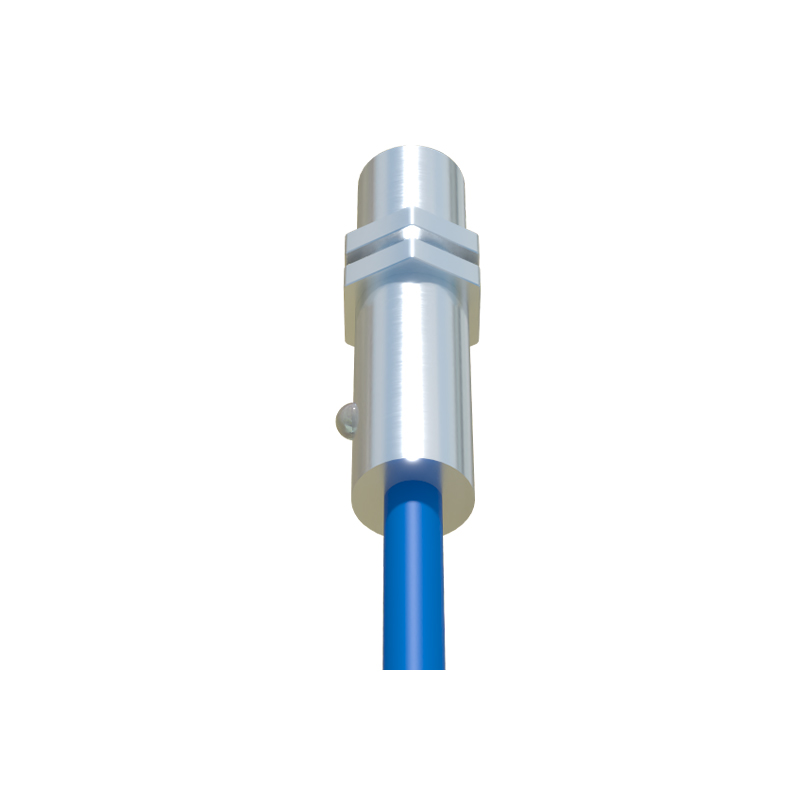
In conclusion, proximity sensors are a small yet vital part of smartphone ecosystems. They exemplify how subtle engineering solutions can significantly impact daily usability and efficiency. As smartphones continue to evolve, these sensors will likely become even more sophisticated, driving further innovations in user interface design and device functionality. For engineers and developers, understanding and optimizing proximity sensor technology remains key to creating next-generation mobile experiences that are both seamless and energy-conscious.