Level proximity switch sensors are indispensable devices in modern industrial automation, playing a critical role in monitoring and controlling the level of bulk solids, powders, and liquids in various processes. These sensors operate on the principle of detecting the presence or absence of a material at a predetermined point without making physical contact. This non-contact measurement capability is a key advantage, minimizing wear and tear, reducing maintenance needs, and ensuring high reliability in harsh industrial environments.
There are several primary technologies employed in level proximity switches, each suited to specific applications and material types. Inductive proximity sensors are widely used for detecting metallic objects. They generate an electromagnetic field and sense changes caused by a metallic target entering this field. These sensors are ideal for applications involving metals, such as monitoring metal powder levels in hoppers or detecting the presence of metal containers on conveyor lines.
Capacitive proximity sensors, on the other hand, can detect both conductive and non-conductive materials, including liquids, plastics, wood, and granular substances. They function by measuring changes in capacitance between the sensor's active face and the target material. This versatility makes them suitable for complex applications like monitoring adhesive levels in tanks or controlling the fill level of plastic pellets in silos.
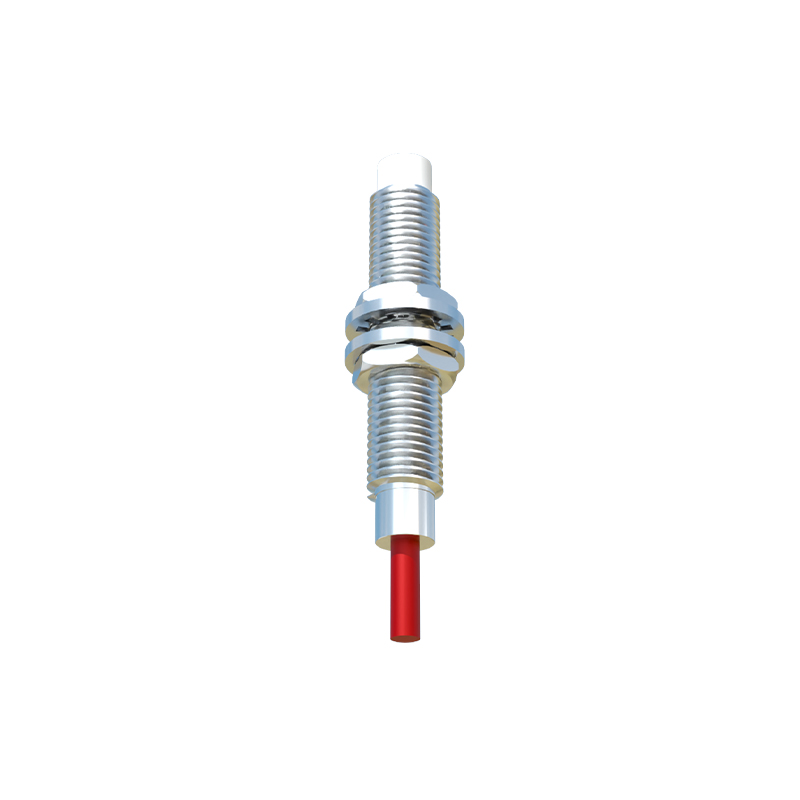
Ultrasonic proximity sensors utilize sound waves to detect objects. They emit high-frequency ultrasonic pulses and measure the time it takes for the echo to return from the target surface. This technology is excellent for detecting objects at greater distances and is commonly used for level detection in large liquid storage tanks or for bulk solid materials where other technologies might struggle with dust or material composition variations.
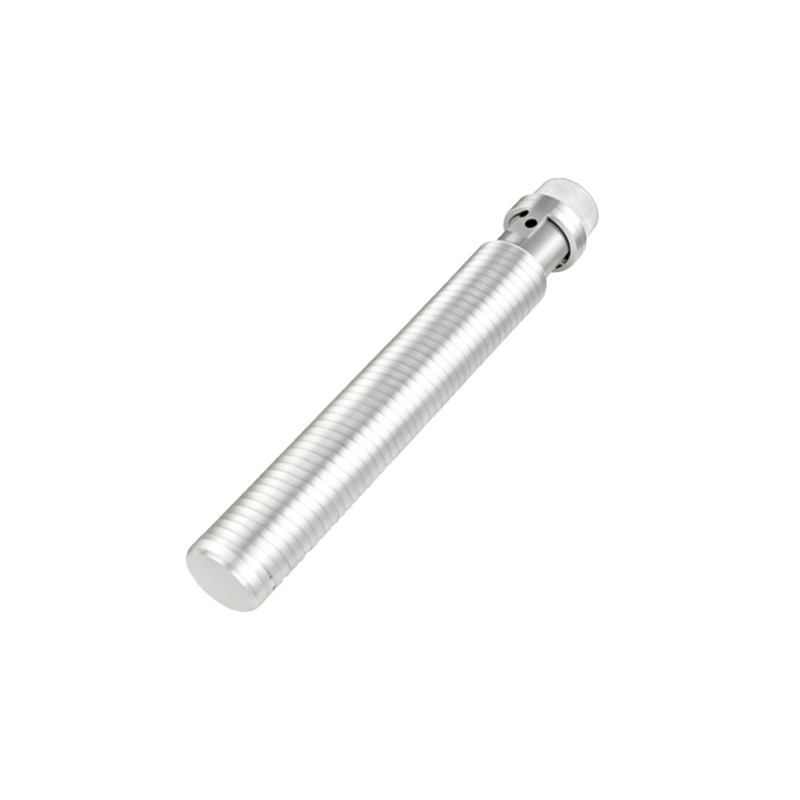
The selection of the appropriate level proximity switch depends on multiple factors. The material characteristics—such as conductivity, dielectric constant, density, and granularity—are paramount. Environmental conditions, including temperature extremes, pressure, humidity, and the presence of dust, vapors, or corrosive substances, must also be carefully considered. Furthermore, the required sensing range, response time, output type (e.g., PNP/NPN transistor, analog, or relay), and installation requirements dictate the final choice.
Proper installation and configuration are crucial for optimal performance. Sensors must be mounted correctly to avoid false triggers from material buildup, vibrations, or adjacent machinery. Adjusting sensitivity and hysteresis settings ensures stable switching and prevents chattering—a rapid on/off cycling caused by material turbulence at the detection point. Regular calibration and maintenance, though minimal for these robust devices, help sustain long-term accuracy and reliability.
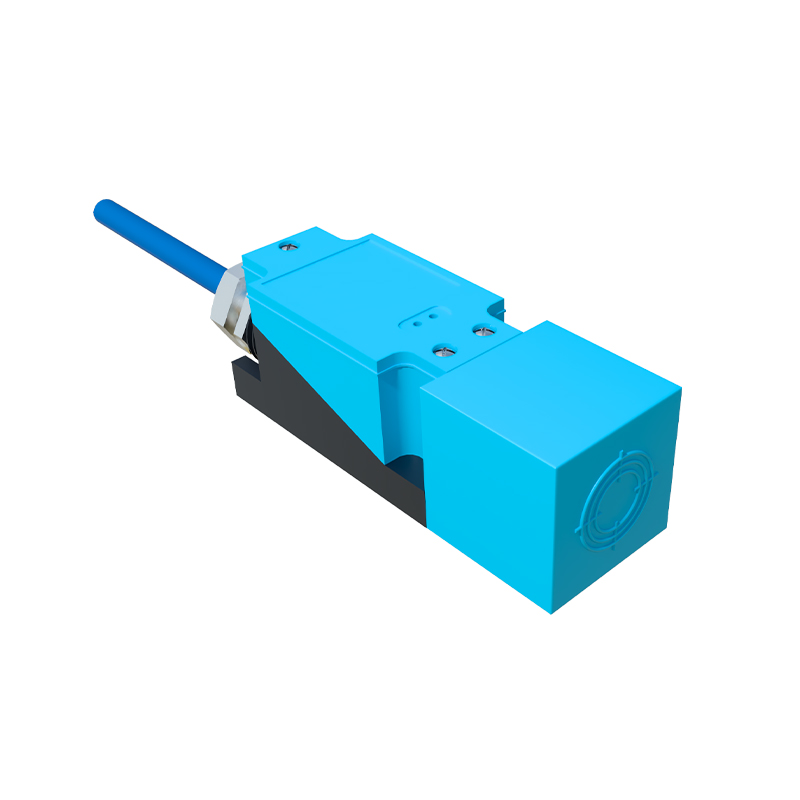
In industrial settings, these sensors are integral to process safety and efficiency. They prevent overfilling of tanks and silos, which can lead to spills, equipment damage, and safety hazards. Conversely, they avoid underfilling, which can cause process interruptions, production downtime, and product quality issues. By providing reliable high-level or low-level signals, they automate feeding systems, control pumps and conveyors, and integrate seamlessly with Programmable Logic Controllers (PLCs) and Supervisory Control and Data Acquisition (SCADA) systems.
The evolution of level proximity switches continues with advancements in technology. Modern sensors feature enhanced immunity to electrical noise, improved housing materials for corrosive environments, and smarter diagnostics capabilities. Some models now offer IO-Link communication, enabling parameter setting, condition monitoring, and predictive maintenance data directly from the sensor to the control system, aligning with Industry 4.0 initiatives.
In conclusion, level proximity switch sensors are fundamental components that ensure the smooth, safe, and automated operation of countless industrial processes. Their ability to provide reliable, non-contact detection across a vast array of materials and conditions makes them a cornerstone of modern material handling, processing, and storage systems. Understanding their operating principles, types, and application criteria is essential for engineers and technicians to design and maintain efficient, robust automation solutions.