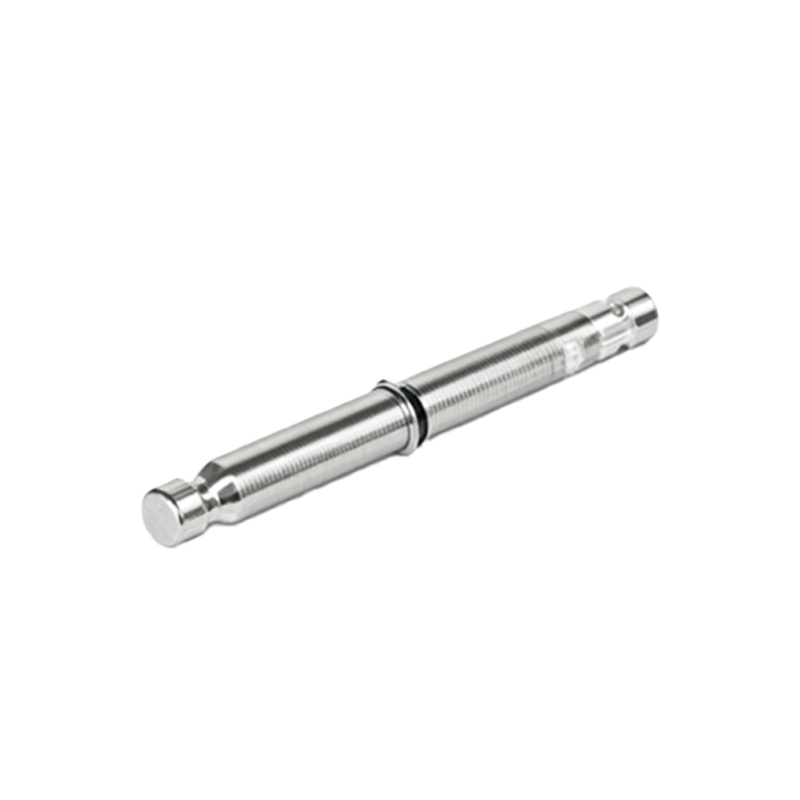
In the realm of industrial automation, the role of proximity switches is fundamental, acting as the silent sentinels that detect the presence or absence of objects without physical contact. Muxi Sensors has established itself as a prominent manufacturer in this field, delivering a comprehensive range of proximity switches engineered for precision, durability, and seamless integration into diverse automated systems. These devices are pivotal in applications ranging from assembly line monitoring and packaging machinery to robotic guidance and safety interlocks, where consistent performance is non-negotiable.
Proximity switches from Muxi Sensors primarily utilize inductive, capacitive, and magnetic sensing principles. Inductive proximity switches are the workhorses for detecting metallic objects. They generate an electromagnetic field, and when a metal target enters this field, it causes a change in oscillation amplitude, triggering the switch output. Muxi's inductive series is renowned for its high switching frequency and exceptional resistance to environmental contaminants like dust, oil, and coolant, making them ideal for harsh manufacturing environments. Capacitive proximity switches, on the other hand, can detect both metallic and non-metallic materials, including liquids, plastics, and wood. They sense changes in capacitance caused by the target material, offering versatility in applications like level detection in tanks or presence verification of plastic components. For specialized positioning tasks, Muxi's magnetic proximity switches (often reed or Hall-effect based) provide reliable detection of permanent magnets, commonly used in cylinder position feedback and door status monitoring.
The engineering excellence of Muxi proximity switches is evident in their robust construction. Housings are typically made from nickel-plated brass, stainless steel, or high-grade PBT plastic, ensuring corrosion resistance and mechanical strength. Internally, components are potted or sealed to achieve high Ingress Protection (IP) ratings, such as IP67 or IP69K, safeguarding against water and dust ingress. This rugged design translates to a long operational life, even under constant vibration, shock, and wide temperature fluctuations commonly found in industrial settings.
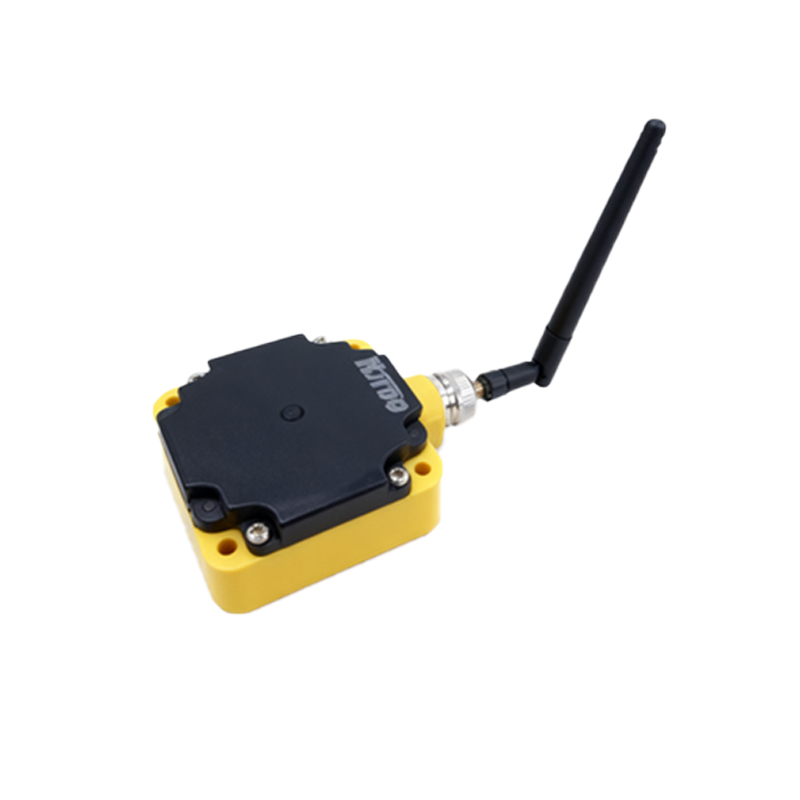
A key advantage of the Muxi portfolio is its extensive configurability. Output types include traditional electromechanical relay contacts, as well as solid-state NPN, PNP, and push-pull configurations to interface seamlessly with Programmable Logic Controllers (PLCs) and other control systems. Many models feature LED status indicators for easy diagnostics and adjustable sensing distances, allowing for fine-tuning during installation. This flexibility ensures that engineers can select the exact model to match voltage requirements (10-30V DC, 20-250V AC, etc.), load current, and connection style (pre-wired cables or quick-disconnect connectors).
Installation and maintenance are straightforward. The cylindrical and rectangular form factors are designed for easy mounting in standard fixtures. Proper alignment and ensuring the correct sensing distance are critical for optimal performance. Regular maintenance primarily involves keeping the sensing face clean from buildup that could attenuate the sensing field. Muxi's design minimizes false triggers and ensures stable operation, reducing downtime and enhancing overall system reliability.
In conclusion, Muxi Sensors' proximity switches represent a synthesis of advanced sensing technology and practical industrial design. They provide a reliable, no-touch solution for object detection that is crucial for enhancing efficiency, safety, and precision in automated processes. For system integrators and plant engineers, specifying Muxi translates to incorporating a component known for its consistent quality and performance, thereby contributing to the robustness and uptime of the entire automation ecosystem. Their continuous innovation in sensing technology ensures they remain at the forefront of meeting the evolving demands of modern industry.