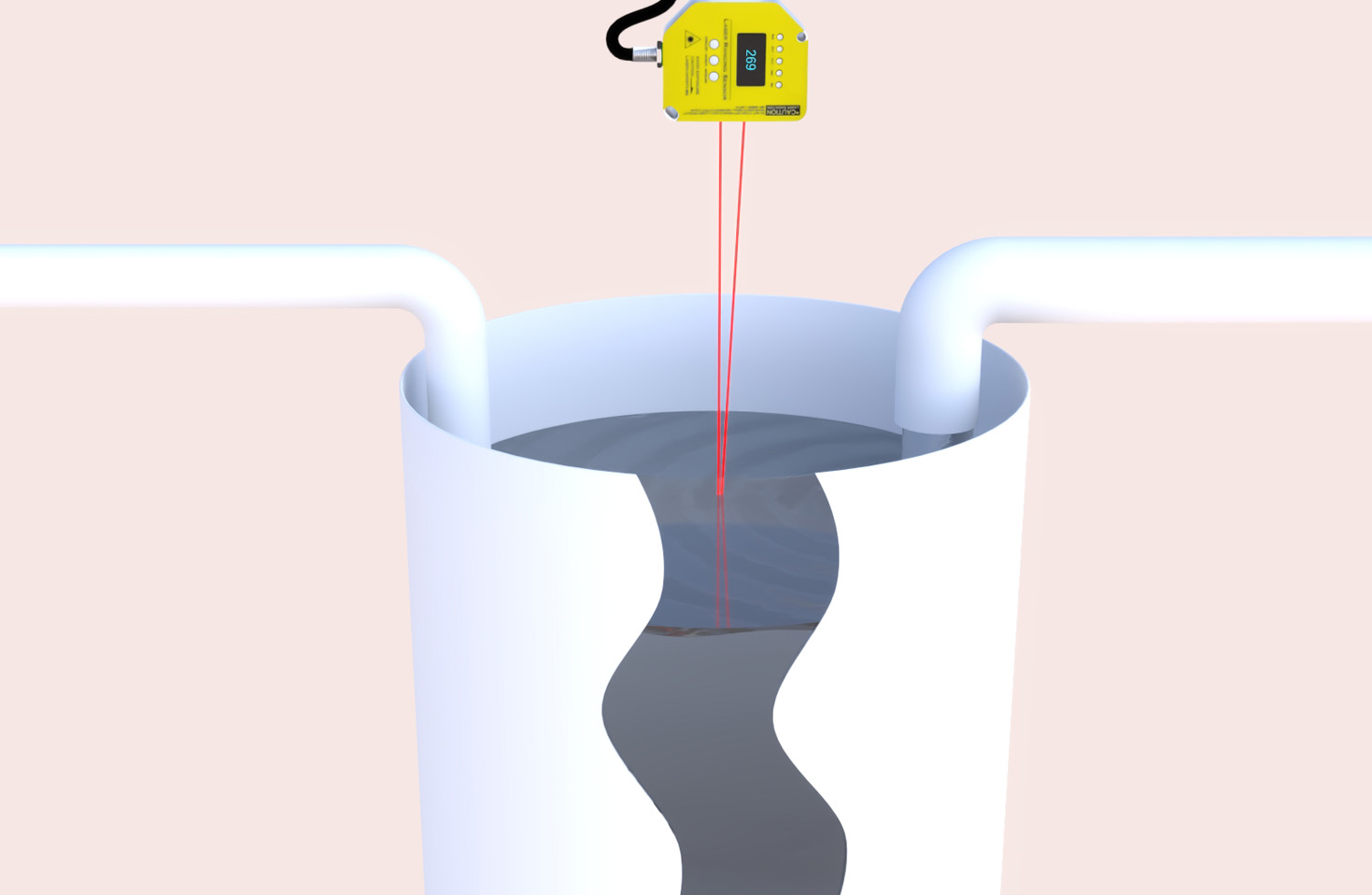
In the realm of modern lighting and automation, laser spotlights have emerged as a pivotal technology, offering unparalleled precision and control. Central to their functionality is the focus sensor, a critical component that ensures optimal beam accuracy and stability. This article delves into the principles, types, and applications of focus sensors in laser spotlights, providing insights for professionals in the electrical and engineering sectors.
Focus sensors in laser spotlights operate based on optical feedback mechanisms. Typically, these sensors detect the position of the laser beam relative to a target surface, adjusting the lens or mirror system to maintain a sharp, focused spot. Common technologies include triangulation sensors, confocal sensors, and interferometric sensors. Triangulation sensors use a laser emitter and a position-sensitive detector (PSD) to measure distance by calculating the angle of reflected light. This method is highly effective for dynamic focusing in moving applications, such as stage lighting or industrial scanning. Confocal sensors, on the other hand, employ a pinhole aperture to eliminate out-of-focus light, enabling high-resolution measurements suitable for precision tasks like semiconductor inspection or medical devices. Interferometric sensors leverage wave interference patterns to detect minute changes in distance, offering sub-micrometer accuracy for research and high-end manufacturing.
The integration of focus sensors enhances laser spotlight performance in several ways. Firstly, it ensures consistent beam quality over varying distances, which is crucial in applications like entertainment lighting, where spotlights must adapt to different stage depths. Secondly, it reduces energy waste by maintaining focus, thereby improving efficiency and extending the lifespan of the laser diode. Thirdly, in automated systems, real-time focus adjustment allows for seamless operation in environments with moving objects or thermal fluctuations, common in robotics and automotive assembly lines.
Key considerations when selecting a focus sensor for laser spotlights include accuracy, response time, environmental robustness, and compatibility with control systems. For instance, in outdoor or harsh industrial settings, sensors with IP67 ratings or higher are preferred to withstand dust, moisture, and temperature extremes. Additionally, digital interfaces like I2C or SPI facilitate integration with microcontrollers and programmable logic controllers (PLCs), enabling automated feedback loops. Recent advancements have introduced smart sensors with embedded AI algorithms, capable of predictive focusing and self-calibration, further reducing maintenance needs.
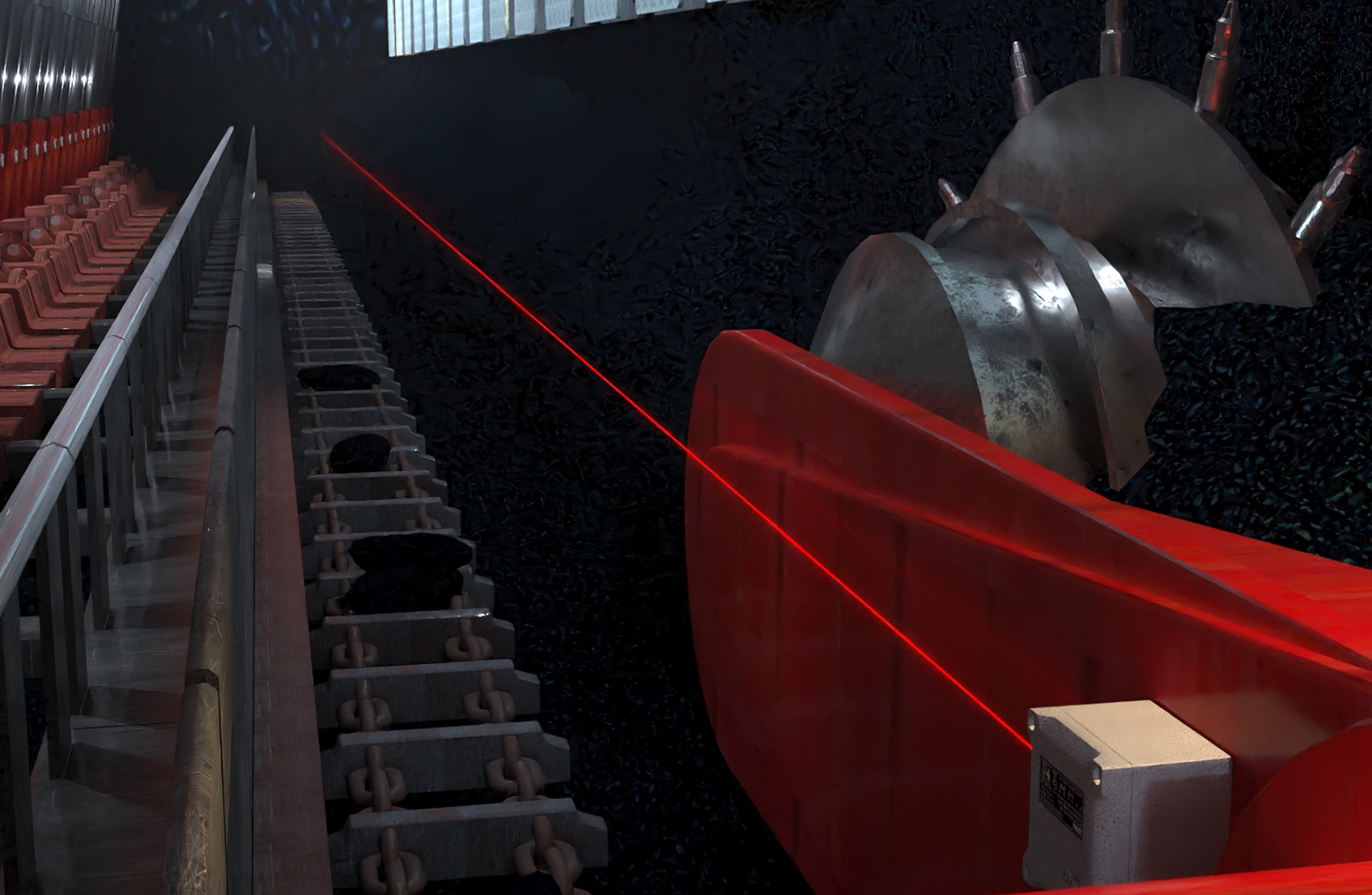
Applications of laser spotlight focus sensors span diverse industries. In entertainment, they enable dynamic lighting effects in concerts and theaters, where beams must track performers accurately. In manufacturing, they are used for precision cutting, welding, and 3D printing, ensuring material processing with minimal error. Medical fields utilize them in surgical lasers for targeted tissue ablation, while security systems employ focused beams for surveillance and intrusion detection. The rise of smart cities has also spurred adoption in architectural lighting and traffic management, where adaptive spotlights improve visibility and safety.
Despite their advantages, challenges persist, such as cost constraints for high-end sensors and interference from ambient light in certain environments. Ongoing research focuses on miniaturization, cost reduction, and enhanced algorithms to overcome these hurdles. As laser technology evolves, focus sensors will likely become more integral, driving innovations in automation, IoT, and sustainable lighting solutions. Professionals in the electrical industry should stay abreast of these trends to leverage the full potential of laser spotlights in their projects.
In summary, focus sensors are indispensable for maximizing the efficacy of laser spotlights. By understanding their operational principles and applications, engineers can design systems that deliver precision, efficiency, and reliability across various sectors.