Proximity sensors are critical components in modern industrial automation, enabling non-contact detection of objects with high precision and reliability. As an experienced electrical engineer specializing in industrial systems, I have developed and refined testing methodologies that ensure optimal sensor performance across diverse operating conditions. This article outlines a systematic approach to proximity sensor testing, covering essential protocols, tools, and best practices for engineers and technicians.
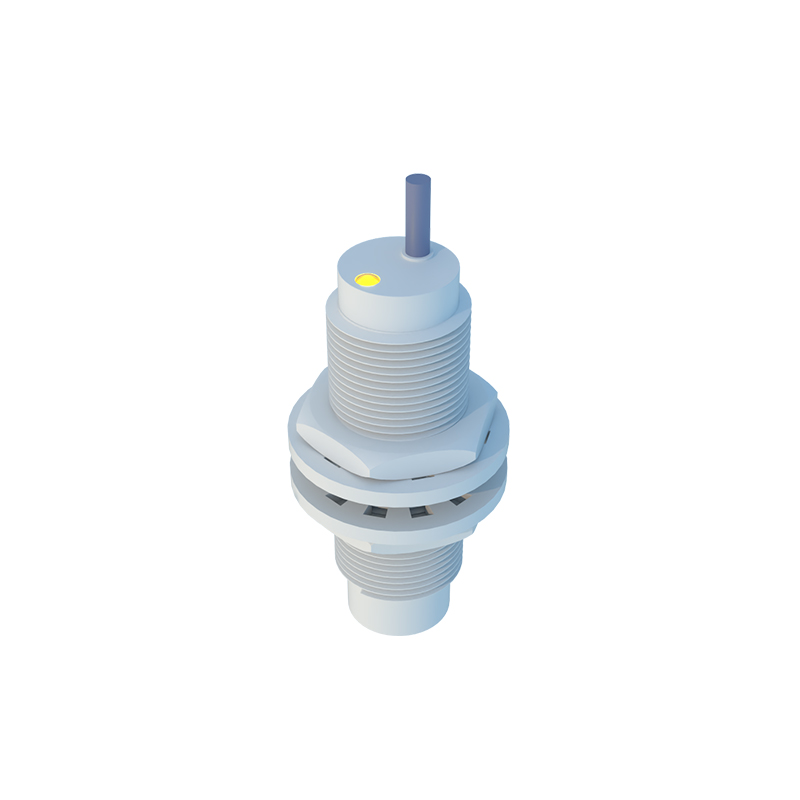
The foundation of any effective testing scheme begins with understanding sensor specifications. Inductive, capacitive, and photoelectric proximity sensors each have unique characteristics that influence testing parameters. For inductive sensors, which detect metallic objects, key metrics include sensing distance, repeat accuracy, and temperature drift. A standardized test setup involves mounting the sensor on a calibrated fixture and using target objects of specified materials and sizes. The sensing distance should be verified under varying environmental conditions, such as temperature fluctuations from -25°C to 70°C, to assess stability. Oscilloscopes and multimeters are indispensable for measuring output signal response times and voltage/current levels, ensuring they align with datasheet values—typically within ±10% tolerance.
Capacitive sensors, designed for non-metallic materials like plastics or liquids, require additional considerations for dielectric constant variations. Testing should incorporate targets with different permittivity values to evaluate sensitivity adjustments. A controlled environment with minimal electrical noise is crucial, as stray capacitance can lead to false triggers. Engineers should perform hysteresis tests by gradually moving targets toward and away from the sensor, recording the switch-on and switch-off points to determine operational consistency. Data loggers can track long-term performance, identifying drift or intermittent failures that might not appear in short-term checks.
Photoelectric sensors, including diffuse, retro-reflective, and through-beam types, demand optical alignment verification and contamination resistance tests. Using a light intensity meter, technicians can measure emitted and received light levels to ensure proper alignment and lens cleanliness. Dust and moisture simulations—such as exposing sensors to ISO 12103-1 A2 test dust or water sprays per IP67 standards—help validate durability. Response time testing with high-speed objects (e.g., rotating discs with reflective markers) confirms the sensor can handle rapid detection cycles, often required in packaging or assembly lines.
Environmental stress testing is a non-negotiable phase in any robust protocol. Proximity sensors must endure vibrations, shocks, and electromagnetic interference (EMI) common in industrial settings. Vibration tables can simulate frequencies from 10 Hz to 2 kHz, while EMI generators test immunity to RF disturbances. For hazardous locations, certifications like ATEX or IECEx require additional explosive atmosphere tests, though these are typically performed by certified labs. Field testing in real-world installations provides final validation, comparing sensor behavior against baseline data from controlled labs.
Preventive maintenance through periodic testing reduces downtime and extends sensor lifespan. A recommended schedule includes quarterly functional checks and annual comprehensive evaluations. Tools like programmable logic controller (PLC) simulators can integrate sensor outputs into automation software, testing communication protocols like IO-Link for smart sensors. Documentation of all test results—using standardized templates—facilitates trend analysis and compliance with quality standards such as ISO 9001.
In conclusion, a holistic testing strategy combines theoretical knowledge with practical tools, addressing electrical, mechanical, and environmental factors. By implementing these protocols, industries can enhance system reliability, minimize false operations, and achieve higher productivity. Continuous advancements in sensor technology, such as the integration of IoT for predictive maintenance, will further refine testing approaches, but the core principles of accuracy, repeatability, and resilience remain paramount.