Line laser sensors are critical components in various industrial applications, from precision manufacturing and robotics to quality control and 3D scanning. These sensors project a thin, focused line of laser light onto a target surface, and a camera or receiver analyzes the deformation or reflection of this line to measure dimensions, detect defects, or guide automated processes. However, their accuracy and reliability are highly dependent on the clarity of their optical components. Contaminants like dust, oil mist, coolant, metal shavings, or fingerprints can scatter or absorb the laser beam, leading to measurement drift, signal loss, or complete sensor failure. Therefore, implementing a proper and regular cleaning protocol is not just maintenance; it's essential for ensuring data integrity, process consistency, and equipment lifespan. This article details a systematic, safe approach to cleaning line laser sensors, tailored for engineers and maintenance technicians.
Before initiating any cleaning procedure, the foremost step is safety and preparation. Always consult the sensor's official user manual for manufacturer-specific warnings, recommended cleaning agents, and disassembly instructions (if applicable). Power down and disconnect the sensor from its electrical source. Allow it to cool completely if used in high-temperature environments. Identify the key optical surfaces: the laser output window (emitter) and the receiver lens or window. Work in a clean, low-static environment if possible, using lint-free gloves to prevent transferring oils from your skin.

For light, dry particulate contamination (e.g., ambient dust), the first line of defense is often a gentle stream of clean, dry, oil-free compressed air. Use a regulated air gun with a nozzle held several inches away from the lens to avoid physical contact. Direct the air at a slight angle across the surface to blow debris away. Do not use canned air, as it can sometimes expel propellant droplets that leave residues. If compressed air is insufficient, move to a soft-bristled brush made specifically for optics, such as a camel hair brush. Gently sweep the particles off the lens.
For more tenacious contaminants like grease, oil films, or dried residues, a liquid cleaning solution is required. The gold standard is high-purity isopropyl alcohol (IPA), preferably 99% grade or higher. Lower concentrations contain too much water and may leave mineral deposits. For stubborn industrial oils, a specialized lens cleaner formulated for optics may be more effective. Crucially, avoid generic glass cleaners, acetone, ammonia-based products, or strong solvents, as they can damage anti-reflective coatings or the lens substrate itself.
The cleaning technique is as important as the solution. Never spray liquid directly onto the sensor. Instead, apply a few drops of the cleaning fluid to a high-quality, lint-free wipe, such as those made from microfiber or cellulose lens tissue. Using a gentle, circular motion from the center outward, wipe the optical surface. Apply minimal pressure. Use a fresh, dry section of a clean wipe to gently remove any remaining solvent and streaks. For stubborn spots, you may need to repeat the process with a fresh wipe and fresh solvent. Never reuse a wipe, as it will simply redistribute the grime.
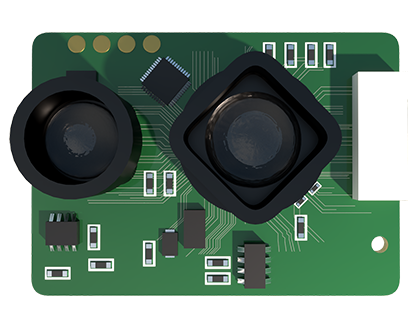
Some line laser sensors are housed in sealed enclosures with protective windows. In such cases, clean only the external window unless the manual specifies otherwise. Attempting to disassemble a sealed unit can compromise its ingress protection (IP) rating and void the warranty. For sensors in extremely harsh environments (e.g., welding, heavy machining), consider installing a protective air knife or a disposable transparent barrier film in front of the sensor to shield it from the bulk of contaminants, making routine cleaning simpler and less frequent.
Establish a preventive maintenance schedule based on the operational environment. A cleanroom application might only need quarterly inspection, while a sensor near a CNC lathe may require weekly cleaning. Log each cleaning activity, noting any observations about contamination type. A sudden increase in fouling frequency can indicate a larger process issue, such as a failing machine seal. Regular, careful cleaning prevents the abrasive action of caked-on grime, which can permanently scratch optical coatings. By integrating these practices, you safeguard the precision of your measurements, reduce costly unplanned downtime, and maximize the return on investment from your critical line laser sensor systems.