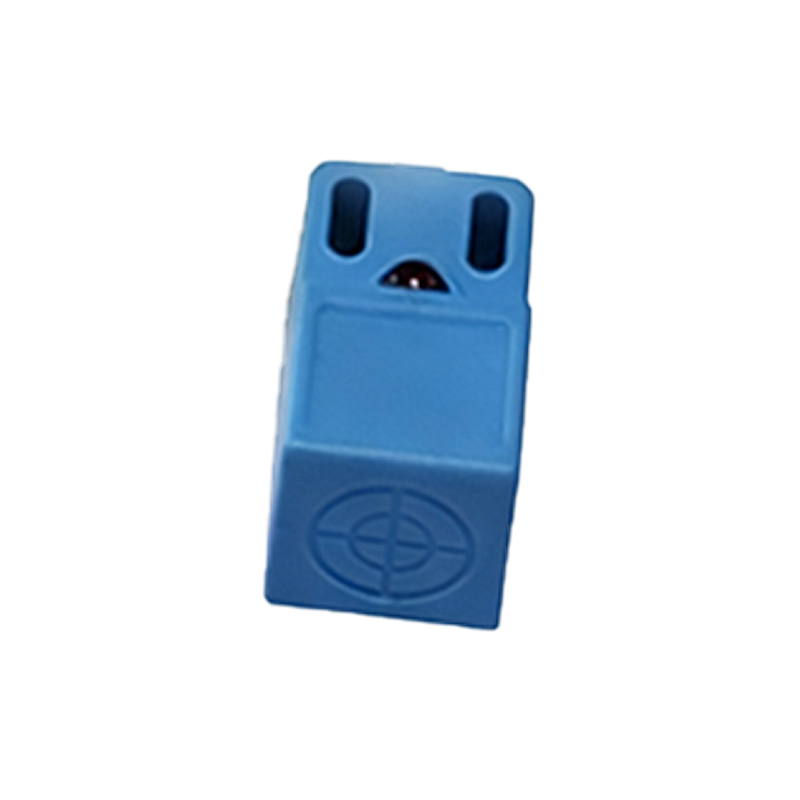
Proximity sensors, particularly the S8 series, represent a cornerstone of modern industrial automation. These non-contact sensing devices detect the presence or absence of an object within a defined sensing range without any physical contact. The S8 series, known for its robustness and reliability, is engineered to perform consistently in demanding environments, making it a preferred choice for engineers across various sectors including automotive manufacturing, packaging, material handling, and machine tooling.
The fundamental operating principle of the S8 proximity sensor is based on electromagnetic fields or capacitive coupling, depending on the specific model variant. Inductive S8 sensors, the most common type, generate an oscillating electromagnetic field from a coil in the sensing face. When a metallic target enters this field, it induces eddy currents within the target, which dampens the oscillation of the sensor's circuit. This change is detected and converted into a solid-state output signal, typically switching a load on or off. This mechanism allows for the detection of ferrous and non-ferrous metals with high precision. Capacitive S8 models, on the other hand, can detect a wider range of materials, including liquids, powders, and non-metallic solids, by sensing changes in the capacitance of an electrostatic field.
Key specifications define the performance envelope of the S8 sensor. The sensing distance, or 'sn', is a critical parameter. S8 sensors offer standardized sensing ranges, such as 2mm, 4mm, or 8mm, but the effective operating distance can be influenced by the target material's size, shape, and composition. For inductive models, a correction factor is applied for non-ferrous metals like aluminum or copper, which typically reduces the effective sensing range. The housing material, often made from nickel-plated brass, stainless steel, or PBT plastic, provides essential protection against mechanical impact, cutting fluids, coolants, and metal chips. Most S8 sensors boast an IP67 or IP68 ingress protection rating, ensuring reliable operation even when exposed to washdowns or temporary immersion.
Electrical characteristics are equally vital. S8 sensors are available in various output configurations: DC 3-wire (PNP or NPN sourcing/sinking), AC 2-wire, and AC/DC 2-wire (universal voltage). The PNP (sourcing) type outputs a positive signal to the load, while the NPN (sinking) type provides a path to ground. Selecting the correct type is paramount for compatibility with Programmable Logic Controllers (PLCs) and other control systems. The load current rating, often up to 200mA, must not be exceeded to prevent damage. Many S8 models feature built-in protection against short-circuits, overloads, reverse polarity, and electrical noise (EMI), which is crucial for maintaining system integrity in electrically noisy industrial plants.
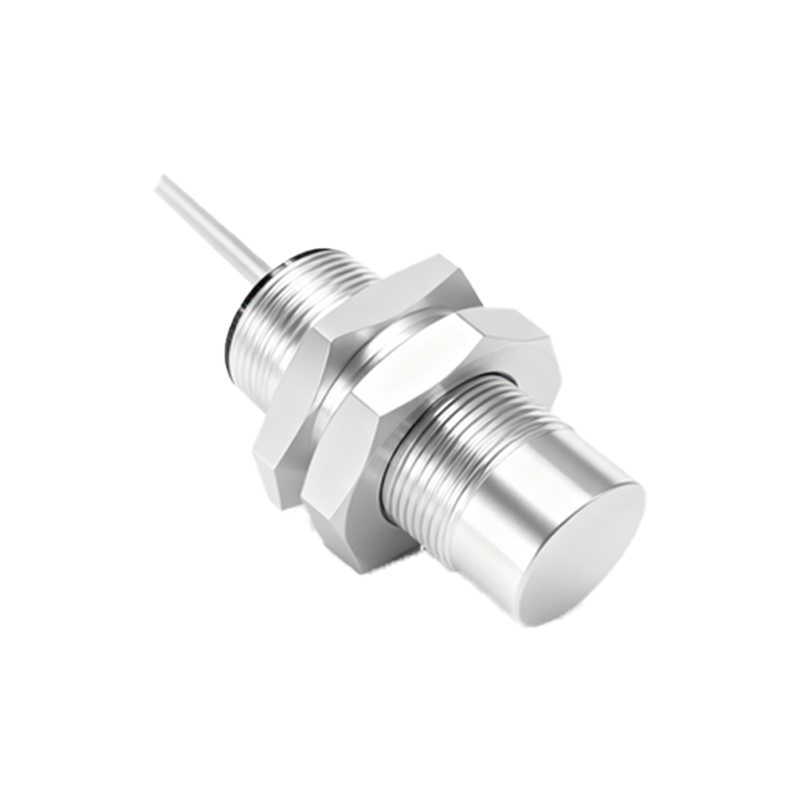
Installation and application best practices significantly impact sensor longevity and accuracy. Engineers must ensure the sensor is mounted securely to minimize vibration effects. A minimum clearance, usually 1-2 times the sensor diameter, should be maintained between adjacent sensors to prevent mutual interference. For flush-mounted cylindrical sensors (shielded type), the sensing field emerges primarily from the front face, allowing installation flush with a metal bracket. Non-flush models (unshielded) have a larger sensing range but require a metal-free zone around the sides. When detecting small or thin targets, it is advisable to conduct real-world testing to verify consistent detection. Regular maintenance involves checking for physical damage, buildup of contaminants on the sensing face, and verifying the output signal under operational conditions.
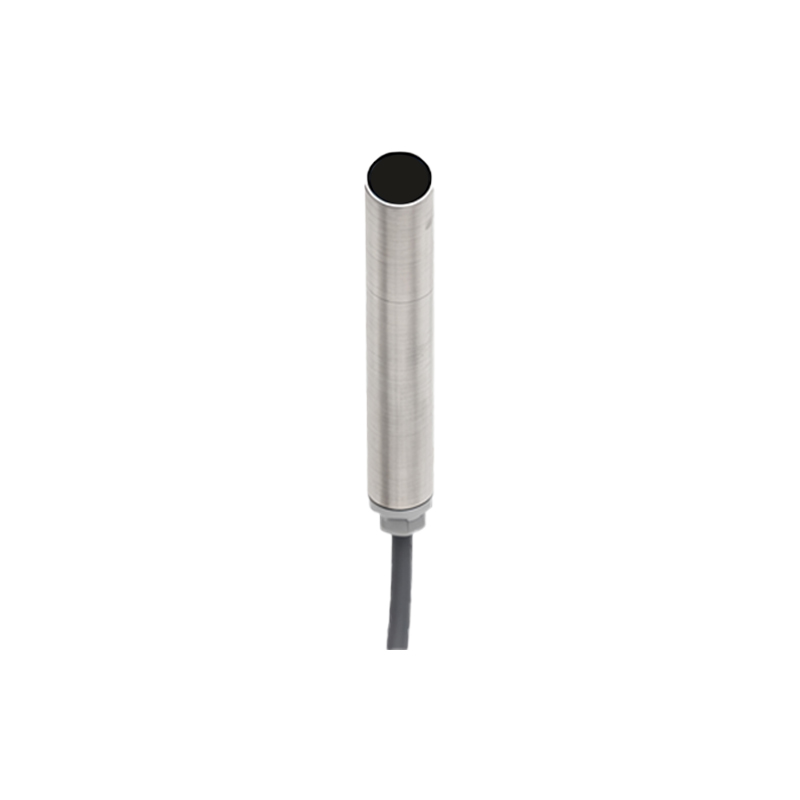
The evolution of the S8 series incorporates advanced features. Some models offer IO-Link communication, a point-to-point serial connection that transforms the simple sensor into a smart device. IO-Link enables parameter setting, real-time process data monitoring (like signal strength), and advanced diagnostics, facilitating predictive maintenance and easier integration into Industry 4.0 frameworks. Other variants include analog output for distance-proportional signaling or specialized models with high-temperature resistance for foundries or welding applications.
In conclusion, the S8 proximity sensor is a versatile and indispensable component in the industrial engineer's toolkit. Its design prioritizes durability, precision, and ease of integration. A thorough understanding of its operating principles, specifications, and application guidelines—from selecting the correct electrical type to ensuring proper installation—is essential for designing efficient, reliable, and safe automated systems. As automation complexity grows, the foundational role of dependable sensing technology like the S8 series only becomes more pronounced.