Laser distance sensors are critical components in various industrial applications, from manufacturing and construction to robotics and automation. These devices provide precise, non-contact measurements, enabling high efficiency and accuracy. However, like any sophisticated equipment, they require regular maintenance to perform optimally over time. Neglecting upkeep can lead to reduced accuracy, frequent failures, and costly downtime. This article outlines practical maintenance strategies to help engineers and technicians extend the lifespan and reliability of laser distance sensors.
First and foremost, understanding the operating environment is key. Laser sensors are often exposed to harsh conditions, including dust, moisture, vibrations, and extreme temperatures. Contaminants like dirt or oil can accumulate on the lens, obstructing the laser beam and causing measurement errors. To prevent this, implement a routine cleaning schedule. Use a soft, lint-free cloth and approved cleaning solutions—avoid abrasive materials or harsh chemicals that could scratch or damage optical surfaces. For sensors in highly polluted areas, consider installing protective enclosures or air purging systems to minimize exposure.
Calibration is another vital aspect of maintenance. Over time, sensors may drift from their original settings due to thermal changes or mechanical stress. Regular calibration ensures measurements remain accurate. Follow the manufacturer’s guidelines for calibration intervals and procedures. Many modern sensors feature self-calibration functions, but manual checks with certified reference targets are still recommended for critical applications. Keep a maintenance log to track calibration dates, environmental conditions, and any adjustments made, aiding in troubleshooting and compliance.
Electrical connections and power supply stability also impact sensor performance. Loose cables or voltage fluctuations can lead to intermittent operation or data corruption. Periodically inspect all wiring for signs of wear, corrosion, or damage. Ensure connectors are securely fastened and protected from strain. Use stable power sources with proper grounding to prevent electrical noise interference. If the sensor integrates with control systems, verify communication protocols (e.g., Ethernet, analog outputs) are functioning correctly to avoid integration issues.
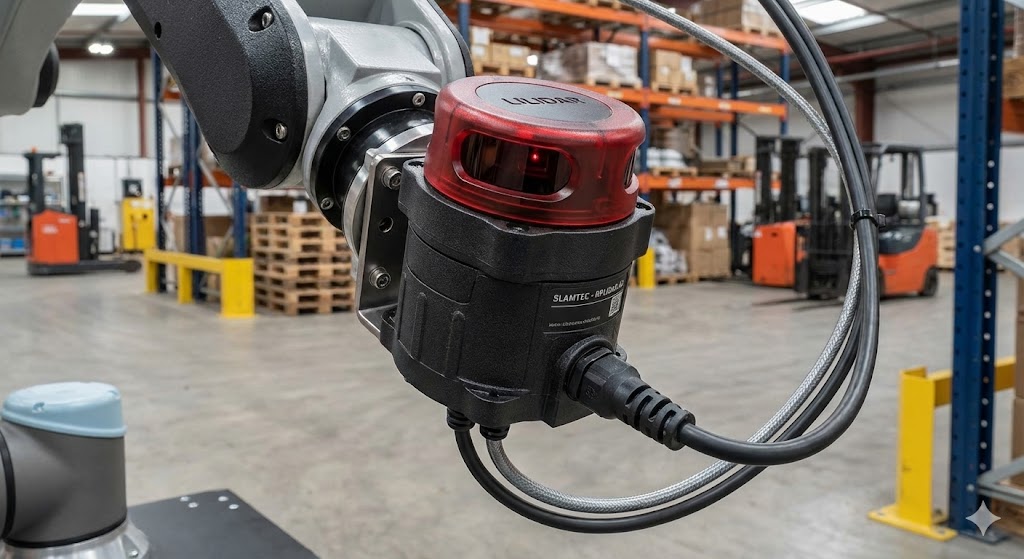
Mechanical mounting and alignment deserve attention as well. Vibrations or impacts can misalign the sensor, affecting measurement consistency. Check mounting brackets and fixtures for tightness and stability. If the sensor is moved or reinstalled, realign it according to the application’s requirements. For moving parts, such as in robotic arms, ensure cables are managed to avoid tension or entanglement, which could strain internal components.
Software and firmware updates provided by manufacturers often include improvements for performance and bug fixes. Stay informed about updates and apply them as needed, following proper procedures to avoid disruptions. Additionally, monitor sensor diagnostics—many devices offer built-in error codes or status indicators that alert users to potential problems like overheating or low signal strength. Addressing these early can prevent major failures.
Finally, invest in training for personnel handling these sensors. Proper handling reduces accidental damage. Store spare parts, such as lenses or cables, in a clean, dry inventory to expedite repairs. When issues persist, consult the manufacturer’s technical support rather than attempting complex disassembly, which might void warranties.
In summary, proactive maintenance of laser distance sensors involves cleaning, calibration, electrical checks, mechanical inspections, software updates, and trained oversight. By adopting these practices, industries can enhance operational reliability, reduce costs, and maintain high precision in measurements, ultimately supporting smoother and more efficient workflows.